Trees
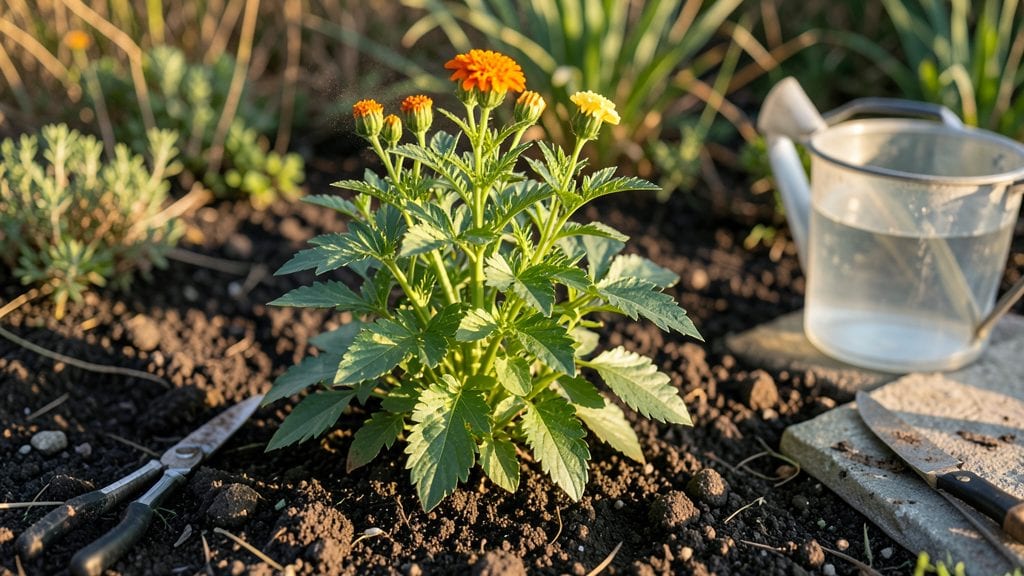
The identification of a marigold seedling starts with those first leaves—fiery orange or golden yellow, with jagged edges and a slightly fuzzy texture. 🌱 I’ve spent too many springs pulling up what I thought were marigolds, only to realize they were dandelions. or some other weed masquerading as a seedling.
The key is the first true leaves: marigolds have deeply serrated edges and a slightly hairy surface, while look-alikes like black-eyed Susans or even some basil seedlings have smoother, less dramatic foliage.
Here’s the thing—marigold seedlings also grow in a tight rosette, with leaves clustering close to the stem. If you spot a single stem with elongated leaves stretching outward, that’s not a marigold.
And color matters too: true marigolds start out bright, almost neon, while weak or diseased seedlings will look pale or mottled. A quick pinch test (gently between fingers) can tell you if the plant is sturdy enough for transplanting—firm stems mean it’s ready for the garden.
Once you’ve confirmed those signature leaves, you’ll know it’s time to transplant—2-3 weeks after germination, when seedlings have at least two sets of true leaves. The sooner you move them, the faster they’ll bulk up before summer heat sets in.
I’ve found that marigolds thrive when spaced 12-18 inches apart, giving them room to spread and those iconic blooms to shine. The payoff? A garden that smells like sunshine and repels pests naturally.
Confession: I still double-check seedlings against a reference photo, especially if the weather’s been unpredictable. But once you train your eye for those serrated, fuzzy leaves, you’ll spot marigolds in a heartbeat—no more guesswork, just confident planting. Let’s get those babies in the ground before they outgrow their pots!
Root Causes Of Misidentification
Accurately identifying marigold seedlings can be tricky, especially when their tiny leaves don’t yet resemble the bold, vibrant blooms they’ll grow into. Missteps often stem from a mix of biological, environmental, and human factors.
Understanding these root causes helps gardeners spot clues more effectively and avoid costly mistakes. Here’s why seedlings might confuse even the most seasoned growers:
Marigold seedlings often start with leaves that look nothing like their mature counterparts. Their first true leaves (called cotyledons) are simple, rounded, and sometimes even lobed—resembling those of other young plants like dill, basil, or even some weeds.
- Why it happens: Seedlings prioritize energy toward root and stem growth before leaf specialization. The first leaves are generic, designed to maximize photosynthesis while the plant establishes itself.
- Actionable clue: Wait for the second set of true leaves (called unifoliate leaves) to appear. French marigolds (Tagetes patula) develop deeply lobed, fern-like leaves, while African marigolds (Tagetes erecta) produce more elongated, serrated edges.
- Pro tip:💡 Use a magnifying glass to check leaf edges—marigold leaves often have a sawtooth pattern even in early stages, unlike smooth-leaved weeds.
Poor growing conditions can alter leaf shape, color, and growth patterns, making seedlings look like entirely different plants. Stress signals often trigger compact growth or discoloration, masking true identification traits.
| Stress Factor | How It Affects Leaves | What It Looks Like |
|---|---|---|
| ❄️ Cold Temperatures | Slows cell division, stunts growth | Leaves stay small, pale, or curled (resembling damping-off or fungal damage) |
| ☀️ Excessive Heat | Increases transpiration, burns leaf edges | Yellowing tips, crispy margins (mistaken for nutrient burn) |
| 💧 Over/Underwatering | Disrupts nutrient uptake | Wilting (underwatering) or translucent, swollen leaves (overwatering) |
| 🌱 Crowded Seedlings | Competes for light/nutrients | Elongated, pale stems ("leggy" seedlings) with tiny, dark green leaves |
Actionable fix: Move seedlings to a consistent 70–75°F environment with bright, indirect light (like a south-facing window or grow lights). Thin seedlings to 2–3 inches apart to reduce competition.
Pests and pathogens don’t just harm seedlings—they alter their appearance in ways that make identification nearly impossible. Chewed leaves, spots, or unusual growths can turn a healthy marigold into a puzzling imposter.
- Common culprits:
- Fungal leaf spot (e.g., Alternaria) → Brown, concentric rings on leaves
- Aphids → Sticky residue ("honeydew"), curled or yellowed leaves
- Cutworms → Cleanly severed stems at soil level
- Powdery mildew → White, powdery coating (common in humid conditions)
- Why it happens: Marigolds are susceptible to stress-related diseases when grown in damp, shaded, or nutrient-deficient soil. Pests target weak seedlings first.
- Actionable clue: Check the underside of leaves for pests or signs of fungal spores. Healthy marigold leaves should be deep green, slightly waxy, and free of blemishes.
- Pro tip:🔥 Preventative spray: Mix 1 tsp neem oil + 1 tsp baking soda in 1 quart water. Spray seedlings weekly to deter pests and fungi.
Even experienced gardeners can misidentify seedlings due to bias, haste, or incomplete data. Relying on a single trait (like leaf color) without cross-referencing others is a common pitfall.
- Common mistakes:
- 🚫 Assuming all yellow seedlings are marigolds (could be mustard weeds or diseased seedlings)
- 🚫 Ignoring stem structure (marigolds have hairy, slightly woody stems; weeds often have smooth stems)
- 🚫 Skipping the "smell test" (crushed marigold leaves release a citrusy or spicy aroma)
- Why it happens: The brain fills in gaps with familiar patterns—a phenomenon called apophenia. For example, seeing a lobed leaf might trigger "marigold" without verifying other traits.
- Actionable fix: Use a checklist approach:
- Leaf shape (lobed vs. serrated)
- Leaf color (deep green vs. yellow-green)
- Stem texture (hairy vs. smooth)
- Aroma (citrusy vs. none)
- Pro tip:✨ Take photos of seedlings at different stages. Compare them side-by-side with a reliable plant database (like the Missouri Botanical Garden’s guide) to train your eye.
Quick fixes for seedling confusion
When it comes to marigold seedling identification, even the most experienced gardeners can get tripped up—especially if seedlings look suspiciously similar to other plants or pests are lurking nearby. The good news?
Most issues have straightforward fixes. Below, we’ve mapped common problems to practical solutions, so you can confidently tell your marigolds apart from impostors (or troubleshoot what’s gone wrong).
If your marigold seedlings resemble dandelions, sunflowers, or even weeds, the issue might be crowding or misidentification during germination. Here’s how to clear things up:
👨🍳 Separate and Inspect
- 🔪 Gently transplant seedlings into individual pots or trays (use a spoon or small trowel to avoid damaging roots).
- 🔍 Compare leaf shapes: True marigold seedlings have:
- Lobed or jagged edges (not smooth like dandelions).
- Bright green or yellow-green leaves (sunflowers start with heart-shaped cotyledons).
- A single stem (weeds like chickweed often sprout in clusters).
🌱 Prevention Tips
- 💡 Sow seeds in modules (small peat pots) to avoid overcrowding from the start.
- ✨ Label trays with the plant name and date—no more guessing games!
- 🎯 Thin seedlings early (when they’re 2–3 inches tall) to prevent competition.
If your marigolds are tall, thin, and pale, they’re likely suffering from etiolation—a classic sign of insufficient light or overwatering. Fix it fast:
🌡️ Adjust Lighting and Watering
- 🔥 Move seedlings to a south-facing window or under grow lights (12–16 hours/day).
- 💧 Water only at soil level (avoid wetting leaves to prevent fungal issues).
- 🌱 Bury stems deeper (up to the first true leaves) to encourage root growth.
💡 Pro Tips for Stocky Seedlings
- 🔥 Use reflective surfaces (like aluminum foil) under trays to bounce light upward.
- 🌡️ Harden off gradually before transplanting—expose seedlings to outdoor conditions for 1–2 hours daily (starting at 10 days old).
Yellowing leaves, holes, or a sticky residue? Pests or pathogens might be crashing your marigold party. Act now:
🛡️ Treat Infestations
| Problem | Fix | Prevention |
|---|---|---|
| Aphids | Spray with soapy water (1 tsp mild soap + 1 quart water) or introduce ladybugs. | 🌱 Plant marigolds near susceptible crops (they repel pests naturally!). |
| Fungal spots (powdery mildew) | 🍳 Spray with baking soda mix (1 tsp baking soda + 1 quart water + few drops of soap). | ✨ Space seedlings for airflow (2–3 inches apart). |
| Cutworms | 🔪 Wrap stems with cardboard collars or use diatomaceous earth around the base. | 💡 Plant basil nearby—it deters cutworms! |
🎯 Early Intervention Matters
- 🔥 Isolate affected seedlings to prevent spread.
- 🌡️ Sterilize tools with rubbing alcohol between plants.
Wilting, yellow leaves, or stunted growth post-transplant? Your seedlings might be in shock. Revive them with these steps:
🌱 Ease Them In
- 💧 Water thoroughly before and after transplanting (but avoid soggy soil).
- 🔥 Shield from direct sun for 3–5 days (use shade cloth if outdoors).
- 🌱 Add compost to the new soil for a nutrient boost.
💡 Recovery Boosters
- 🔥 Fertilize lightly with a balanced 10-10-10 formula (half-strength) 1 week after transplanting.
- 🌡️ Mulch with straw to retain moisture and regulate soil temperature.
With these fixes, your marigold seedlings will grow into bold, healthy plants—no more mix-ups or mysteries. And remember: the key to easy identification starts with strong, pest-free starts. Happy gardening! 🌼
Frequently asked questions
What do marigold seedlings look like in their earliest stages?
Early marigold seedlings start with small, rounded cotyledons (first leaves) that look similar to other plants. The key is the second set of true leaves, which develop jagged, serrated edges and a slightly fuzzy texture. French marigolds have deeply lobed leaves, while African marigolds show elongated, sawtooth patterns.
How can I tell if a seedling is a marigold vs. a weed like dandelion?
Check the leaf edges and stem texture. Marigold leaves have deep serrations and slightly hairy stems, while dandelions have smooth, lobed leaves. Also, crushed marigold leaves release a citrusy aroma—weeds won’t have this scent.
When is the best time to transplant marigold seedlings?
Transplant when seedlings have 2-3 sets of true leaves and are about 2-3 inches tall. Aim for this 2-3 weeks after germination, before they become root-bound. Harden them off first by exposing to outdoor conditions for 1-2 hours daily over 5-7 days.
Why do my marigold seedlings look pale or stretched?
This is etiolation, caused by insufficient light. Move seedlings to a south-facing window or under grow lights for 12-16 hours/day. Bury stems deeper (up to first true leaves) to encourage root growth and prevent leggy stems.
How do I prevent pests like aphids from attacking marigold seedlings?
Use a soapy water spray (1 tsp mild soap + 1 quart water) or introduce ladybugs as natural predators. For prevention, space seedlings 2-3 inches apart for airflow and plant basil nearby—it deters pests while complementing marigolds.