
Lawn
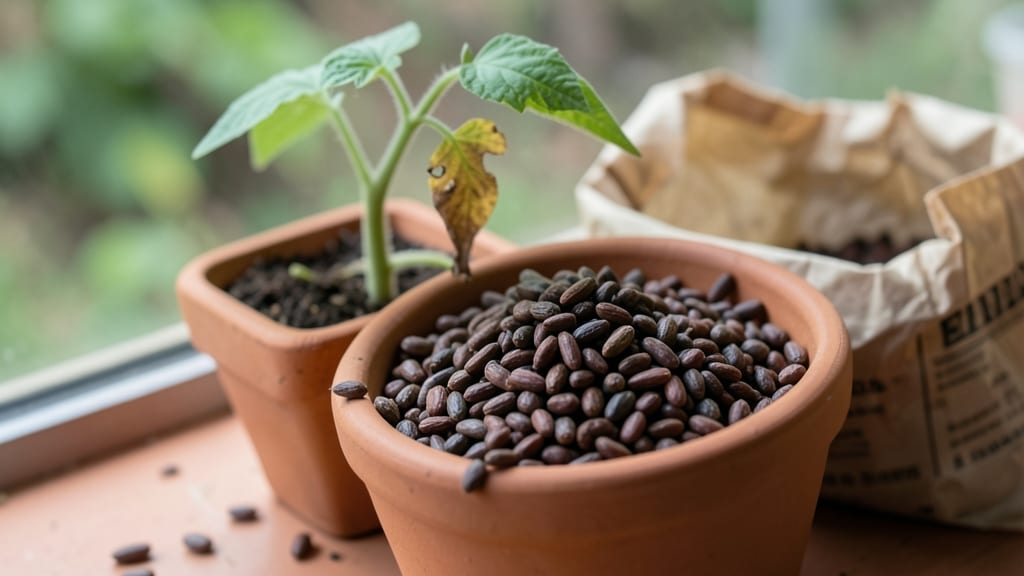
Burpee Seeds stands as the oldest seed company still operating today, established in 1876 and celebrating over 140 years of providing heirloom varieties and gardening expertise. Legacy brands like W. Atlee Burpee & Co. and Park Seed also date back to the 1800s, focusing on preserving plant genetics and organic growing methods.
This longevity isn't just about age—it's about adapting to gardening's evolving needs. 🌱 Burpee pioneered mail-order seeds in 1876, a game-changer that democratized access to quality varieties.
Their early focus on hybrid development during the 20th century helped feed wartime Victory Gardens, while today they maintain organic certifications that appeal to modern gardeners seeking sustainable options. What's fascinating is how these companies preserved rare plant genetics long before seed-saving became a mainstream movement.
For today's gardeners, this history matters because it translates to reliability. Companies with century-old roots have perfected seed storage techniques and germination rates—critical factors when you're investing in heirloom varieties.
I always recommend cross-referencing their catalogs with newer heritage suppliers like Seed Savers Exchange to compare offerings, especially if you're growing rare or climate-specific plants.
💡 In This Article
- How Burpee Seeds Became a Gardening Legacy
- Choosing Heritage Seed Suppliers Today
How Burpee seeds became a gardening legacy
Burpee Seeds' journey began in 1876 when W. Atlee Burpee launched his first mail-order catalog—a revolutionary concept that transformed gardening. Before this, seeds were primarily sourced locally or through small regional dealers.
Burpee's catalog offered 100+ varieties from his greenhouse in Philadelphia, including rare European tomatoes and peppers that American gardeners had never seen. 🌱 The key innovation was standardized packaging and germination guarantees, which built immediate trust with customers nationwide.
What set Burpee apart was their scientific approach to plant breeding. In the early 1900s, they established one of America's first commercial seed research facilities, where they developed hybrid varieties like the Burpee Hybrid Tomato (1914).
These hybrids combined disease resistance with high yields—critical during World War II when Victory Gardens supplied 40% of America's vegetables. Their catalogs became wartime essentials, with Burpee seeds planted in over 20 million gardens by 1943.
The company's longevity also stems from preserving heirloom genetics during the 20th century's hybridization boom. While competitors focused on commercial hybrids, Burpee maintained collections of open-pollinated varieties, many dating back to the 1800s. This preservation became crucial as modern agriculture shifted toward monocultures.
Today, their heirloom collection includes 1,500+ varieties, with some seeds stored in climate-controlled vaults at 10°F (-12°C) to maintain viability for decades.
Park Seed, founded just eight years earlier in 1868, offers a fascinating comparison. While Burpee focused on national distribution, Park Seed built its reputation on regional specialization, particularly in the South. Their 1870 catalog featured 200 varieties tailored to warmer climates, including heat-tolerant okra and peanuts.
Both companies survived by adapting: Burpee through national marketing and hybrids, Park Seed through regional expertise and organic certifications earned in the 1990s.
Here's what's actually happening with their modern success: Both companies leverage their historic trust by offering certified organic seeds and detailed growing guides. Burpee's current catalog includes 1,200 varieties, with 20% organic-certified.
Their seed-saving programs now educate gardeners on proper storage techniques, like keeping seeds in airtight containers with silica gel packets to maintain 95% germination rates for 5+ years. 💫
The seed-saving movement of the 1970s-90s further cemented their legacy. As gardeners sought alternatives to corporate agriculture, these historic companies provided the infrastructure.
Burpee's partnership with the National Heirloom Exposition since 1996 has introduced 500+ rare varieties annually to modern audiences, proving their ability to bridge past and present gardening practices.