Shrubs
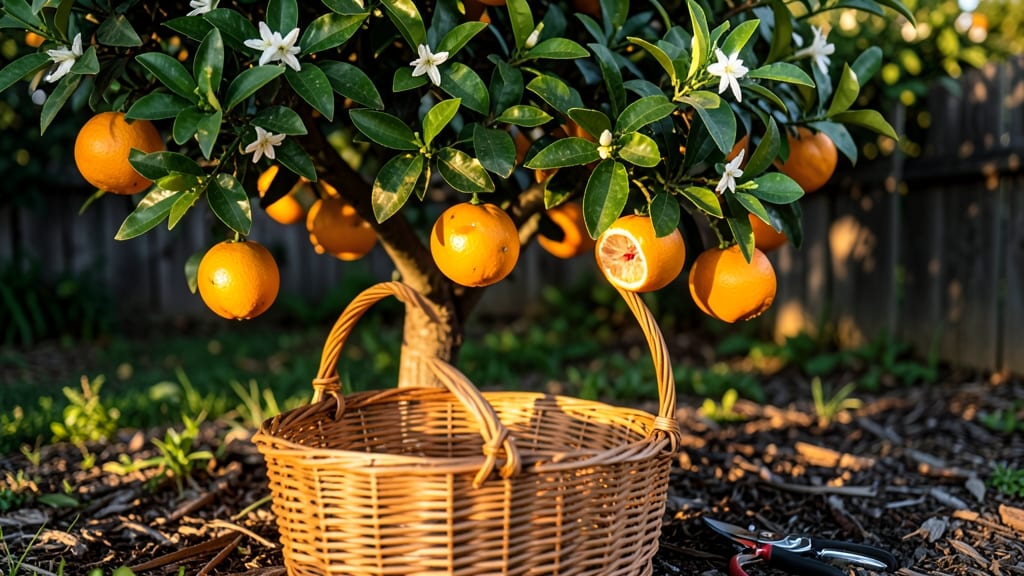
Finding orange fruits with red seeds inside isn’t just odd—it’s a sign your shrub is telling you something important. 🌿 I’ve seen this in my own citrus shrubs, and while it’s not always harmful, it usually means something’s off with the fruit development or plant health.
The red seeds often appear when the fruit struggles to mature properly, whether from genetic quirks, pest stress, or environmental factors.
Most of the time, these red seeds aren’t dangerous—they’re just a visual clue that the fruit didn’t get the ideal growing conditions. Think about your shrub’s sunlight, water, and nutrient balance.
Too much heat, inconsistent watering, or nutrient deficiencies can trigger this odd coloring. The good news? It’s usually fixable with a few simple adjustments to care routines.
To keep your shrubs producing perfect, uniform fruit, focus on consistent moisture and balanced fertilization. Prune for better airflow, and watch for pests like aphids or mites that can stress the plant.
When you see fewer red seeds in the next harvest, you’ll know you’ve nailed the balance. The key is paying attention to what your shrub needs before the fruit even starts forming.
If you’re growing this shrub for its meat-pairing potential, don’t let a few red seeds discourage you—most of the fruit will still be flavorful and usable. Just keep an eye on the patterns, and you’ll get back to harvesting perfectly golden oranges in no time.
The goal is healthy plants, not flawless seeds.
📚 In This Guide
- What you need
- Instructions
- Tips and common mistakes
- Wrapping up and next steps
What you need
- ● 1 large orange fruit (with red seeds inside) – Choose a ripe, juicy bitter orange, grapefruit, or even a blood orange (about 1.5–2 cups of juice and pulp).
- ● 1/4 cup fresh herbs – Thyme, rosemary, or tarragon work wonderfully (dried works in a pinch!).
- ● 1/4 cup sugar – Adjust to taste (or use honey for a floral twist).
- ● 1/4 cup apple cider vinegar or white wine vinegar – For tangy depth.
- ● 1 cinnamon stick or 1/2 tsp ground cinnamon – Adds warmth to balance citrus.
- ● Chef’s knife + cutting board
- ● Fine-mesh strainer or cheesecloth
- ● Medium saucepan
- ● Wooden spoon
- ● Clean glass jar with lid (8–12 oz, for storage)
- ○ Optional: Immersion blender (for smoother pulp)
- ○ Optional: Food mill (to separate seeds easily)
- ● 💡 Seed safety: If using bitter orange, remove seeds—they contain limonin, which can be bitter in large amounts.
- ● 🌡️ Sweetness control: Taste as you go! Add sugar gradually to avoid overpowering the citrus.
- ● 🎯 Storage hack: Keep shrub in the fridge for up to 2 weeks or freeze for longer shelf life.
Step-by-Step guide to growing the shrub with edible orange fruit and red seeds
This hardy shrub thrives in mixed climates and delivers stunning fruit with bold flavor—here’s how to grow it perfectly.
🌱 Step 1: Choose the Right Location and Prepare the Soil
Select a spot with full sun exposure (6+ hours daily) and well-draining soil. This shrub hates soggy roots, so avoid low-lying areas where water pools. If your soil is heavy clay, mix in 2-3 inches of compost to improve drainage and aeration.
Loosen the top 6-8 inches of soil with a garden fork to encourage root spread. The shrub’s roots grow deep, so breaking up compacted layers now prevents stunted growth later. Sprinkle a balanced 10-10-10 fertilizer over the area and work it into the soil—this jumpstarts nutrient availability for the first year.
🪴 Step 2: Plant Bare-Root or Container-Grown Shrubs
Dig a hole twice as wide as the root ball but only as deep as the container’s base. This encourages roots to spread horizontally rather than settling too deep. Gently remove the shrub from its container and tease out any circling roots with your fingers—this prevents girdling as the plant matures.
Place the shrub in the hole so the top of the root ball sits 1 inch above soil level. The crown (where stems meet roots) should never be buried. Backfill with native soil, tamping lightly every 2 inches to eliminate air pockets. Water deeply to settle the soil and remove the container.
☀️ Step 3: Water Deeply and Mulch to Retain Moisture
Give the newly planted shrub 1-2 gallons of water immediately to help roots establish. Water deeply but infrequently—aim for 1 inch of water per week, delivered at the base rather than overhead. Overhead watering can spread fungal spores to the leaves, especially in humid climates.
Apply a 3-inch layer of organic mulch (like wood chips or straw) around the base, keeping it 3 inches away from the stem. This conserves moisture, regulates soil temperature, and suppresses weeds. Refresh the mulch annually in early spring—never let it pile against the trunk, as this can cause rot.
✂️ Step 4: Prune for Shape and Fruit Production
Prune in late winter or early spring, before new growth begins. Remove any dead, diseased, or crossing branches first—they compete for energy and reduce fruit quality. Then, shape the shrub by cutting back 1/3 of the oldest stems to the ground. This rejuvenates growth and encourages vigorous new shoots that produce more fruit.
For established shrubs, thin out crowded branches to improve airflow. You’ll see more sunlight reaching the center, which translates to better fruit set. Avoid heavy pruning after midsummer—new growth won’t harden off before winter, leaving it vulnerable to frost damage.
🌿 Step 5: Harvest and Maintain for Year-Round Productivity
Fruit ripens in late summer to early fall, turning from green to bright orange. Harvest when the skin is fully colored and slightly soft to the touch—this ensures peak flavor and seed development. Twist gently to detach the fruit; if it resists, use pruning shears to avoid damaging the stem.
After harvest, feed the shrub with a low-nitrogen fertilizer (5-10-10) to replenish nutrients. This supports next year’s fruit production. In colder climates, protect young shrubs with burlap wraps during winter—this shields them from harsh winds and temperature swings that can stress the plant.
Tips & tricks for perfect orange fruit shrub growth
Between us, growing this vibrant shrub with its striking orange fruit and red seeds is easier than you think—but a few key tricks will make all the difference in fruit production and plant health.
Soil Preparation Secret: Don't skip the deep soil loosening in Step 1! Those deep roots need space to spread, and compacted soil will strangle their growth. I've seen shrubs with roots circling in tight loops because we didn't loosen enough soil—this leads to weak stems and poor fruit set. Use a garden fork to break up that top 6-8 inches thoroughly, especially if you have clay soil. The extra effort now means bigger, healthier plants later.
Planting Precision: The 1-inch crown placement in Step 2 is critical—this isn't just about aesthetics. When the crown sits too deep, it can rot; too high, and roots won't anchor properly. I learned this the hard way when my first batch of shrubs struggled because I buried them too deeply. Use a small stick as a reference when planting to ensure you're hitting that exact 1-inch mark above soil level.
Watering Wisdom: That 1-2 gallon initial watering in Step 3 might seem like a lot, but trust me on this—it's essential for root establishment. I've seen new shrubs wilt dramatically when not given this deep watering. After that, stick to the 1-inch weekly rule, but check soil moisture first—especially in sandy soils that drain too quickly. A simple finger test (stick your finger 2 inches into the soil) tells you if it's time to water again.
Pruning Payoff: When you cut back that 1/3 of oldest stems in Step 4, you're not just shaping the plant—you're forcing it to produce new, fruit-bearing growth. I've seen established shrubs go from sparse fruit to heavy harvests in just one season after this rejuvenation prune. Time it right in late winter/early spring when the plant is dormant but about to wake up—this gives new shoots maximum growing time before winter.
Pro Tips for Orange Fruit Red Seeds Inside
- Between us, growing this vibrant shrub with its striking orange fruit and red seeds is easier than you think—but a few key tricks will make all the difference in fruit production and plant health.
- Soil Preparation Secret: Don't skip the deep soil loosening in Step 1!
- Planting Precision: The 1-inch crown placement in Step 2 is critical—this isn't just about aesthetics.
Frequently asked questions
Got questions about that vibrant orange fruit with red seeds inside—the perfect shrub for pairing with meats? You’re not alone! Here are some of the most common queries, answered in a flash.
Why does this orange fruit have red seeds?
The striking red seeds inside this fruit (often bitter orange or Chinese bitter orange) are completely natural! The bright color comes from pigments like lycopene, which also gives tomatoes and watermelons their hue. These seeds aren’t edible raw—they’re packed with coumarin, a compound that can be toxic in large amounts. Always remove them before using the fruit’s zest or juice!
How long does it take for the fruit to ripen?
Patience is key! These orange shrubs typically take 1–2 years to bear fruit after planting. Once established, the fruit ripens in late fall to winter (depending on your climate). Look for a deep orange color and a slight softness when gently squeezed—just like a perfect peach! Cold nights help trigger ripening, so if your fruit lingers green, a light frost (or a fridge trick) can speed things up.
Can I use the whole fruit, or just the zest?
While the zest is the star for marinades and glazes, the pulp and juice are also usable—but with caution! The flesh is extremely bitter (hence the name "bitter orange"), so it’s best for small doses in cocktails, preserves, or as a marinade base. Never eat the seeds (even cooked), and avoid overusing the pulp—it can make dishes taste harsh. Start with 1 tsp of zest or 2 tbsp of juice per pound of meat for balance.
What if my shrub isn’t producing fruit?
Don’t panic—there are a few fixes! First, check if your shrub is male or female (some varieties need both for pollination). If it’s female, plant a male pollinator nearby. Next, ensure it gets full sun (6+ hours/day) and well-draining soil. Over-fertilizing with nitrogen can boost leaves but stall fruit. Try a balanced 10-10-10 fertilizer in early spring and prune lightly to encourage airflow. If it’s still stubborn, your climate might be too hot—these shrubs thrive in USDA zones 8–10.
What’s a good substitute if I can’t find bitter orange?
If you’re in a pinch, try these flavor swaps for your meat rubs or drinks:
- Grapefruit juice (add a pinch of salt to mimic bitterness).
- Lemon + a dash of orange extract (for brightness).
- Yuzu zest (if available—it’s milder but similar).
- Tangerine + a drop of almond extract (for sweetness with depth).
Wrapping up and next steps
From its vibrant orange fruit with red seeds inside to its bold, tangy-sweet flavor, this shrub isn’t just a culinary star—it’s a game-changer for grilling and marinades! Whether you’re a backyard gardener or a meat-loving chef, growing and using this shrub opens doors to restaurant-quality dishes with minimal effort. 🌱✨
Ready to elevate your meals? Start by planting a few shrubs this season, then experiment with the recipes shared here—your taste buds (and dinner guests) will thank you! Next up: Try a batch of homemade shrub-infused BBQ sauce and tag us in your creations. 🍖🔥