
Pests
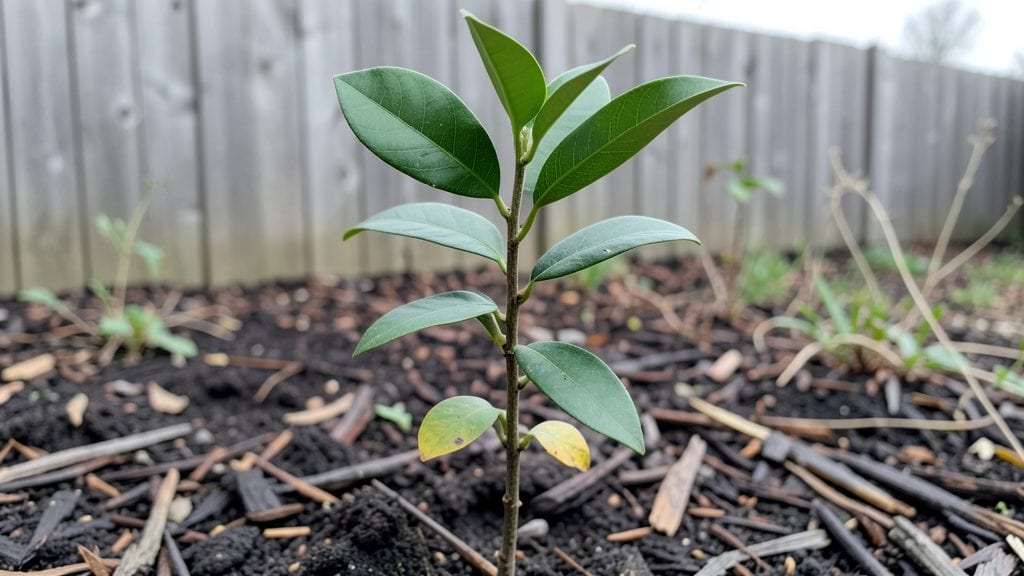
Orange seedling leaves don’t mean your plants are doomed—they’re actually a sign your little green friends are fighting back. 🌱 I’ve seen this happen with my own seedlings, and it’s usually not what you think.
Most gardeners panic when they spot those yellow-orange patches, but the real culprit is often something simple you can fix right away.
The most common causes are overwatering (which drowns roots and starves leaves of oxygen) or a magnesium deficiency (plants turn orange when they can’t make enough chlorophyll). Pests like spider mites can also suck out nutrients, leaving behind that telltale color.
The good news? Each of these has a quick fix—whether it’s adjusting your watering schedule, adding Epsom salt to the soil, or spraying neem oil to kick those pests out.
Within days, you’ll see those leaves turn back to a healthy green if you act fast. I’ve revived seedlings that looked hopeless in just 3-5 days by tweaking one thing—usually water or nutrients. The key is catching it early, so you can keep your seedlings thriving instead of tossing them.
This works for almost any seedling, from tomatoes to peppers, and it’s especially useful for beginners who might be overwatering without realizing it. Let’s get those leaves back to normal—and keep them that way for the rest of the season.
Hidden Culprits Behind Leaf Stress
When your orange seedling’s leaves start showing distress—yellowing, curling, or wilting—it’s often a silent battle waging beneath the soil or lurking in the air. Understanding the root causes (literally and figuratively) of these symptoms is the first step to restoring your plant’s health.
Below, we break down the most common triggers, from microscopic invaders to environmental oversights, and explain the science behind the damage.
Fungi and bacteria are stealthy saboteurs that thrive in damp, warm conditions—perfect for a newly planted orange seedling. These pathogens don’t just weaken leaves; they disrupt cellular function, blocking nutrient uptake and clogging vascular pathways.
- Root Rot (Phytophthora, Pythium):
In waterlogged soil, these fungi release enzymes that digest root cell walls, turning healthy roots into mushy, brown slime. The seedling can’t absorb water or nutrients, causing leaves to yellow (chlorosis) and wilt. Actionable clue: Check for a foul, sour smell at the base of the stem.
- Bacterial Leaf Spot (Xanthomonas, Pseudomonas):
Bacteria enter through wounds (like pruning cuts) or stomata (leaf pores) and multiply in moist conditions. They trigger oxidative stress in leaf cells, creating brown or black spots with yellow halos. Severe infections can prevent photosynthesis, stunting growth.
- Powdery Mildew (Oidium):
This fungal film smothers leaves, blocking light and suffocating cells. It thrives in humid air (60–80% humidity) and feeds on leaf sugars, weakening the plant’s defenses. Infected leaves may appear dusted with white powder and eventually crisp up.
💡 Pro Tip: Early detection is key—use a hand lens to spot fungal spores (tiny white or gray dots) or bacterial ooze (clear, slimy streaks) on leaf undersides.
Insects don’t just nibble—they inject toxins and steal sap, starving leaves of essential nutrients. Their damage often starts subtly but escalates fast.
- Spider Mites (Tetranychus):
These microscopic pests pierce cells with their stylets, sucking out chlorophyll-rich cytoplasm. Leaves develop stippled yellow or white patterns (a sign of chloroplast destruction) and may appear "bronzed" or dry. They thrive in hot, dry conditions (above 90°F) and reproduce exponentially.
- Aphids (Aphis):
Clusters of aphids excrete honeydew, a sugary waste that fosters sooty mold (a black fungal growth). Their feeding distorts new leaves and transmits viruses like citrus tristeza. Look for curled, sticky, or blackened foliage.
- Scale Insects (Diaspididae):
These armored pests anchor to stems and leaf veins, sucking sap and injecting toxic saliva that causes yellowing. Infested leaves may drop prematurely or develop black sooty mold from honeydew. Scales appear as brown bumps that don’t move when touched.
🔥 Warning: Overwatering or nitrogen-heavy fertilizers make seedlings more attractive to sap-suckers—think of it as a buffet for pests!
Orange seedlings are tropical at heart—they crave warmth, humidity, and bright (but indirect) light. When these conditions go awry, leaves send distress signals.
- Temperature Extremes:
Below 50°F, citrus seedlings suffer cold stress, causing cell membranes to leak and proteins to misfold. Leaves may develop brown, water-soaked patches or blackened edges. Conversely, heat stress (above 95°F) triggers oxidative damage, leading to yellowing between leaf veins (a classic sign of chlorophyll breakdown).
- Light Burn:
Direct afternoon sun acts like a magnifying glass, cooking leaf cells. Affected areas turn white or translucent (like a sunburn) and may crisp or drop. Seedlings need dappled shade (e.g., 50% shade cloth) for the first 2–3 weeks.
- Wind Scorch:
Dry winds desiccate leaves by increasing transpiration (water loss) faster than roots can replace it. Edges curl underward and turn brown and papery, a condition called necrosis.
✨ Quick Fix: Move seedlings to a protected microclimate (e.g., near a north-facing wall) and mist leaves daily to boost humidity.
Water is the lifeblood of seedlings, but too much or too little throws their systems into chaos. The symptoms? Often indistinguishable from pest or disease damage.
- Overwatering:
Excess moisture drowns roots by displacing oxygen, triggering anaerobic respiration (a toxic byproduct of low-oxygen metabolism). Leaves yellow from the bottom up and feel soggy to the touch. Soil may smell rotten.
- Underwatering:
Dry soil causes roots to shrink and pull away from cell walls, disrupting nutrient flow. Leaves curl upward (a survival tactic to reduce water loss) and develop crispy, brown edges. The soil pulls away from the pot edges.
- Salt Buildup:
Tap water or over-fertilization leaves saline crusts on soil, burning root tips and blocking water absorption. Leaves yellow evenly across the entire surface (not just edges) and may drop.
🎯 Actionable Test: Stick your finger 1–2 inches into the soil—if it’s dry, water; if it’s cold and clammy, hold off and improve drainage.
Now that you’ve identified the hidden triggers behind your orange seedling’s leaf stress, the next step is targeted solutions—stay tuned for natural remedies that tackle these causes at their source!
Quick fixes for yellowing seedling leaves
Revitalizing your seedlings doesn’t have to be a guessing game—especially when those vibrant orange leaves start turning yellow. Whether it’s pests, disease, or environmental stress causing the trouble, here’s a practical, step-by-step guide to diagnose and fix the issue fast.
Plus, we’ll share prevention tips to keep your seedlings thriving long-term.
If spider mites, aphids, or whiteflies are sucking the life out of your seedlings, act fast before the damage spreads.
🔥 Identify the Culprit
- Check the undersides of leaves for tiny webs (spider mites), sticky residue (aphids), or white specks (whiteflies).
- Shake leaves over white paper—pests will scatter, making them easier to spot.
🍳 Natural Remedies That Work
- Neem Oil Spray (Best for all soft-bodied pests)
- Mix 1 tsp neem oil + 1 tsp mild soap + 1 quart water in a spray bottle.
- Spray thoroughly (top and bottom of leaves) at dusk to avoid harming bees.
- Reapply every 5–7 days until pests vanish.
- Insecticidal Soap (Fast knockdown for aphids & mites)
- Use a store-bought or homemade solution (1 tbsp castile soap + 1 quart water).
- Spray until leaves glisten, focusing on infested areas.
- Wait 24 hours before replanting if using outdoors.
- Beneficial Insects (Long-term prevention)
- Release ladybugs or lacewings (available at garden centers) to eat pests naturally.
- Plant companion flowers like marigolds or alyssum nearby to attract them.
💡 Prevention Tip:
Keep seedlings well-watered but not soggy—pests love stressed plants! Also, rotate crops yearly to disrupt pest life cycles.
Yellowing leaves with mushy stems or wilting? You might be overdoing the H₂O.
👨🍳 Check Your Soil & Pot
- Press your finger 1 inch into the soil—if it’s damp, hold off on watering.
- Ensure pots have drainage holes—no exceptions! Use a terracotta pot for better airflow.
🥘 Fixing the Problem
- Let the Soil Dry Out
- Stop watering for 2–3 days and place seedlings in bright, indirect light.
- If soil smells rotten, repot in fresh, well-draining mix (add perlite or sand).
- Adjust Your Watering Routine
- Water deeply but infrequently—seedlings need ½ inch of water per week (adjust for heat/humidity).
- Water at the base (not overhead) to prevent fungal growth.
🌡️ Prevention Tip:
Use a moisture meter or stick a chopstick in the soil—if it comes out clean, you’re good! For container gardens, raise pots on feet to improve airflow.
Seedlings with yellow patches and crispy edges? They’re getting too much direct sun, especially in hot climates.
🔪 Adjust Light Exposure
- Move seedlings to a spot with dappled shade (e.g., under a sheer curtain or tree).
- If outdoors, use shade cloth (30–50%) during peak sun (10 AM–4 PM).
🌿 Hydration & Recovery
- Water thoroughly in the morning to help leaves recover.
- Mist leaves lightly on hot days to boost humidity (but avoid soggy soil).
✨ Prevention Tip:
Acclimate seedlings gradually to outdoor conditions over 7–10 days (a process called hardening off). Start with 2–3 hours of sun/day, then increase slowly.
Yellowing leaves with powdery white spots or fuzzy growth? Fungal diseases like powdery mildew or damping-off are likely the culprits.
🎯 Treatment Steps
- Remove Infected Leaves
- Snip off yellowed or spotted leaves with sterilized scissors (wipe with rubbing alcohol).
- Fungicide Spray
- Mix 1 tsp baking soda + 1 quart water + a few drops of soap (helps it stick).
- Spray every 7–10 days until symptoms disappear.
- Improve Airflow
- Space seedlings 6–12 inches apart (crowding = fungal paradise).
- Use a small fan on low (24/7) to circulate air—prevents spores from settling.
💡 Prevention Tip:
Sterilize tools and pots between uses (soak in 1 part bleach to 10 parts water for 10 mins, then rinse). Avoid watering late in the day to let leaves dry quickly.
Yellowing leaves with green veins? Your seedlings might be starving for nitrogen (common in fast-growing plants).
📊 Boost Nutrition Fast
- Diluted Fish Emulsion (Best for nitrogen)
- Mix 1 tbsp fish emulsion + 1 gallon water and water seedlings at the base.
- Reapply every 2 weeks for a green boost.
- Epsom Salt Soak (Magnesium fix for yellowing between veins)
- Dissolve 1 tbsp Epsom salt in 1 gallon warm water.
- Soak roots for 10–15 mins once a month.
🍎 Prevention Tip:
Use a balanced fertilizer (10-10-10) at half-strength every 4–6 weeks. Over-fertilizing can burn roots—always water before applying nutrients.
Final Pro Tip: 🌿 Keep a seedling care journal—track watering, sunlight, and treatments. Patterns emerge fast, and you’ll spot issues before they spread!
Now go rescue those seedlings—your future orange grove starts with healthy leaves today! 🍊🌱
Frequently asked questions
Why are my orange seedling leaves turning orange instead of green?
Orange discoloration usually signals stress from overwatering (root rot), nutrient deficiencies (like magnesium), or pest damage. Check soil moisture first—if it's soggy, reduce watering. For nutrients, try a diluted Epsom salt solution (1 tbsp per gallon) to restore chlorophyll production.
Can I save my seedlings if the orange leaves have spread to most of the plant?
Early action is key, but you can still revive seedlings with partial orange leaves. Trim affected leaves immediately, adjust care (water, light, nutrients), and apply neem oil if pests are present. Healthy new growth should return within 7-10 days if the roots are still viable.
What's the fastest way to fix orange leaves caused by spider mites?
Start with a neem oil spray (1 tsp neem + 1 tsp soap per quart of water) applied at dusk. Repeat every 5-7 days while increasing humidity with a pebble tray. For severe cases, isolate the plant and use insecticidal soap for immediate knockdown.
Is it safe to use commercial fertilizers on seedlings with orange leaves?
Only if the issue is nutrient-related (like magnesium deficiency). Use a balanced fertilizer (10-10-10) at half-strength after checking soil moisture. Never fertilize stressed plants—wait until they show new green growth. Organic options like fish emulsion work better for seedlings.
How can I prevent orange leaves in future seedlings?
Maintain consistent moisture (water when top inch is dry), use well-draining soil, and provide dappled shade for young plants. Apply a preventive neem oil spray monthly, and avoid overcrowding seedlings to reduce pest risks.