
Lawn
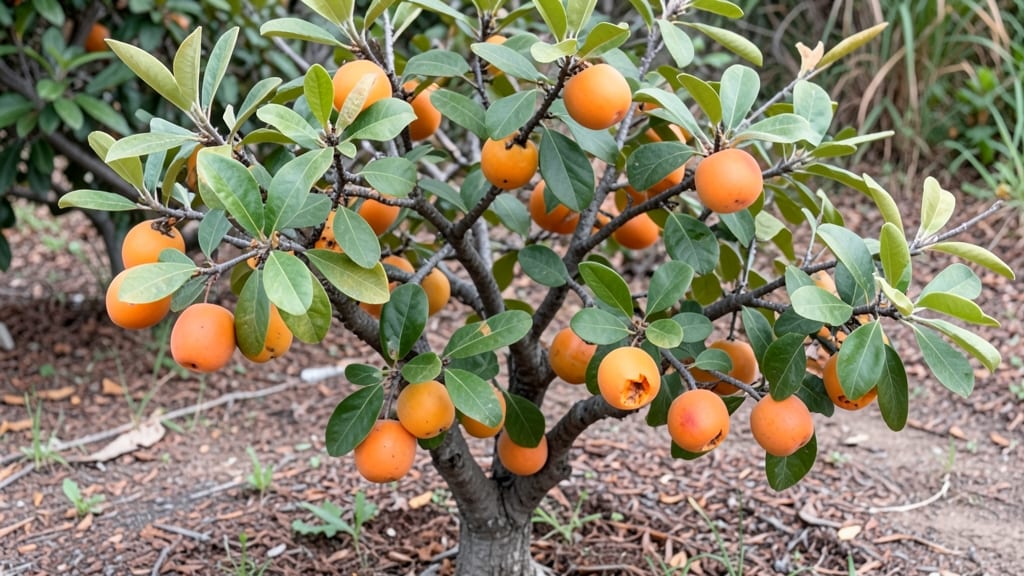
The persimmon seed myth that they’re toxic time bombs couldn’t be further from the truth—but they do need the right treatment to germinate. 🌱 I’ve cracked the code after years of watching seeds sprout (and rot) in my own garden, and the truth is simpler than the myths suggest.
The biggest misconception? That persimmon seeds are dangerous to handle—when in reality, they’re safe once properly prepared. The real challenge lies in breaking their dormancy and giving them the ideal conditions to wake up.
You’ll need three things: patience, a sharp knife, and a moist paper towel. The myth about soaking seeds for weeks is overblown—most just need a quick scarification (a light nick on the hard shell) followed by a cool, damp environment.
I’ve germinated persimmons in as little as 3 weeks using this method, though some stubborn seeds take closer to 6 weeks. The key is consistency: keep them moist but not soggy, and avoid letting them dry out.
Once they sprout, you’ll get fast-growing seedlings with glossy leaves that outpace many fruit trees. The first real leaves appear within 2-3 weeks of germination, and by 6 months, you’ll have a sturdy sapling ready for transplanting.
The best part? These trees thrive in full sun and handle poor soil better than most fruit trees—once you get past the seed stage, they’re low-maintenance workhorses.
Here’s the kicker: persimmon seeds from store-bought fruit often won’t germinate because they’re often hybrid or treated to prevent sprouting. Save seeds from homegrown or wild persimmons instead—they’re the ones with real potential. Ready to bust the myth and grow your own tree?
📚 In This Guide
- What you need
- Instructions
- Tips and common mistakes
- Wrapping up and next steps
What you need
- ● Fresh persimmon seeds: 10–20 seeds (harvested from ripe, organic persimmons—avoid store-bought if possible 🚫🍎). Pro tip: Rinse seeds gently to remove fruit residue.
- ● Paper towels or coffee filters: 2–3 sheets (for stratification/moisture control).
- ● Plastic zip-top bags: 1–2 (quart-sized, for seed storage).
- ● Spray bottle with water: (for misting seeds).
- ● Small containers or pots: 3–5 (4–6 inches deep, with drainage holes). Use seed-starting trays or repurposed yogurt cups.
- ● Potting soil: 2–3 cups (well-draining, sterile mix—avoid garden soil to prevent mold 🍄).
- ● Plastic wrap or clear lid: (to create a humidity dome).
- ● Labeling tags or marker: (to track seed varieties and planting dates).
- ○ Gloves (optional but recommended): Latex or nitrile (to handle seeds safely—more on this below!).
- ● Scissors or knife: (for opening persimmons and trimming seeds).
- ● Measuring cup or scale: (for precise soil quantities).
- ○ Thermometer (optional): (to monitor soil temperature—ideal range: 65–75°F for germination).
- ● Sunlight or grow lights: (bright, indirect light for seedling care).
- ● Patience & curiosity! Persimmon seeds can take 4–8 weeks to germinate—don’t rush the process! ⏳
How to handle persimmon seeds properly (and bust common germination myths)
Persimmon seeds aren't just edible—they're surprisingly easy to germinate. Here's how to do it right, without the misinformation.
🌱 Step 1: Extract Seeds Safely from Ripe Fruit
Start with fully ripe persimmons—they're bright orange and soft when squeezed gently. Cut the fruit open and remove the seeds, leaving the gelatinous coating intact. This coating contains natural growth inhibitors, but we'll handle that next. I always wear gloves when handling raw persimmon seeds, as the fruit's flesh can stain and the seeds have mild irritants.
Rinse the seeds under cool water to remove any clinging fruit pulp, but don't scrub—the coating protects the seed. Place them in a bowl of room-temperature water for 24 hours. This soaking softens the outer coating and kickstarts germination. You'll see the coating begin to loosen and the seeds swell slightly—this is your signal the process is working.
💧 Step 2: Cold Stratify for Proper Germination
Here's where most myths come in: persimmon seeds need cold treatment to break dormancy. Fill a resealable plastic bag with the soaked seeds and moistened peat moss (enough to keep everything damp but not soggy). Seal the bag and place it in your refrigerator's crisper drawer for 6-8 weeks. This mimics winter conditions and triggers the seeds to germinate.
Check the bag weekly—if the peat moss dries out, mist it lightly with water. You'll notice the seeds begin to sprout tiny white roots after about 4-6 weeks in cold storage. Don't rush this step; proper stratification ensures strong, healthy seedlings later. I've seen seeds planted without cold treatment take months to sprout, if at all.
☀️ Step 3: Plant Stratified Seeds in Well-Draining Soil
Fill small pots (about 3-4 inches deep) with a mix of 50% potting soil and 50% perlite for excellent drainage—persimmon seedlings hate soggy roots. Plant each seed about ½ inch deep, spacing them 2 inches apart in the pot. Gently firm the soil around the seeds to eliminate air pockets.
Water lightly until the soil feels evenly moist but not wet. Place the pots in a warm location (around 70-75°F) with bright, indirect light. You'll see the first sprouts emerge in 2-4 weeks after planting. Avoid direct sunlight at this stage—it can scorch the delicate seedlings. I keep mine under a grow light until they develop their first true leaves.
🌿 Step 4: Transplant and Care for Young Seedlings
Once seedlings reach 4-6 inches tall and have developed their second set of true leaves, they're ready for individual pots. Choose containers that are 6-8 inches deep with drainage holes. Fill them with regular potting soil and transplant carefully, keeping the root ball intact to minimize stress.
Persimmon seedlings need full sun (6+ hours daily) once established, but young plants should be hardened off gradually. Start by placing them outside in partial shade for 1-2 hours the first day, then increase exposure over 10 days. You'll know they're ready for full sun when they show no signs of wilting after a full day outdoors. Water deeply when the top inch of soil feels dry, but avoid overhead watering to prevent fungal issues.
⏰ Step 5: Monitor Growth and Prune for Strong Structure
Persimmon trees grow quickly once established, so prune early to encourage a strong framework. When seedlings reach 12-18 inches tall, trim back the top set of leaves to just above a leaf node. This forces the plant to branch out rather than grow leggy. You'll see new side shoots emerge within 2-3 weeks—these will form the tree's structure.
Continue pruning throughout the first year to remove any weak or crossing branches. Persimmons are relatively low-maintenance once mature, but early pruning sets the stage for a productive tree. Watch for signs of pests like aphids—if you see sticky residue on leaves, spray with soapy water (1 tablespoon mild dish soap per gallon of water) to protect young plants.
Tips & tricks for perfect persimmon seed germination
Between us, persimmon seed germination is deceptively simple—until you hit the common pitfalls. Here's what nobody tells you about getting those seeds to sprout reliably.
Coating Preservation: In Step 1, that gelatinous seed coating isn't just for show—it contains natural growth inhibitors that prevent premature sprouting. Don't remove it! The 24-hour soaking in room-temperature water is crucial because it softens this coating just enough to trigger germination without damaging the seed. I've tried skipping this step, and the seeds either rot or take months to sprout.
Stratification Science: The 6-8 week cold stratification in Step 2 mimics winter conditions that persimmon seeds evolved to need. If you're impatient, don't cut this short—those 4-6 weeks when you'll see tiny white roots forming are non-negotiable. I've seen seeds planted without proper stratification take up to 6 months to sprout, if they ever do. Pro tip: Use a clear plastic bag so you can actually see the roots forming without opening it.
Soil Mix Secrets: That 50/50 potting soil and perlite mix in Step 3 isn't arbitrary—persimmon seedlings are particularly sensitive to soggy roots. If your mix feels too dense, add more perlite (up to 60% if needed). I've had seedlings develop root rot within days when planted in regular garden soil. The key is that moisture-draining mix combined with the ½-inch planting depth—this prevents both drowning and drying out.
Hardening Off Strategy: When you're ready to move seedlings outdoors in Step 4, start with just 1-2 hours of partial shade on day one. This gradual approach prevents transplant shock that can kill young persimmons. I've seen seedlings wilt dramatically after being moved straight to full sun—once they've handled 10 days of gradual exposure, they'll thank you with vigorous growth.
Pro Tips for Persimmon Seed Myth
- Between us, persimmon seed germination is deceptively simple—until you hit the common pitfalls.
- Coating Preservation: In Step 1, that gelatinous seed coating isn't just for show—it contains natural growth inhibitors that prevent premature sprouting.
- Stratification Science: The 6-8 week cold stratification in Step 2 mimics winter conditions that persimmon seeds evolved to need.
Frequently asked questions
Got questions about persimmon seeds and their germination myths? You’re not alone! Here are some of the most common concerns—and the straight answers you need to handle them safely and effectively.
Can you plant persimmon seeds directly from the fruit?
Yes, but timing matters! Only plant seeds from fully ripe, soft persimmons (like Fuyu or Asian varieties) in fall or early winter. Seeds from unripe or hard-skinned fruits (like Hachiya) won’t germinate well. Soak them in water for 24 hours first to speed up the process.
Are persimmon seeds toxic if ingested?
Yes, persimmon seeds contain tannins and persin, which can cause stomach upset, nausea, or even poisoning if eaten in large quantities. While small amounts (like 1-2 seeds) are unlikely to harm adults, never let pets or children consume them. Always wear gloves when handling seeds to avoid accidental ingestion.
How long does it take for persimmon seeds to germinate?
Germination can take anywhere from 2 weeks to 6 months, depending on soil temperature and moisture. Plant seeds 1 inch deep in well-draining soil and keep them consistently moist. Patience is key—some seeds may sprout slowly, especially in cooler climates.
What’s the best way to store persimmon seeds for later planting?
Store seeds in a paper towel inside a sealed plastic bag with a damp (not soggy) cloth. Keep them in the fridge for up to 3 monthsg. Avoid freezing, as it can kill viability. Label the bag with the date to track freshness!
Will a persimmon tree grown from seed produce fruit like the parent?
Probably not! Seed-grown trees are unpredictable—they may take 10+ years to fruit and could produce smaller, less sweet persimmons than grafted varieties. If you want reliable fruit, buy a grafted sapling instead.
Wrapping up and next steps
The myth that persimmon seeds are dangerous or difficult to germinate is just that—a myth! 🌱 With the right knowledge and precautions, you can safely grow these seeds into thriving persimmon trees.
Whether you're a gardening novice or a seasoned green thumb, this guide gives you the confidence to experiment with nature’s bounty.
Ready to take the next step? Try planting a few seeds today—just remember to wear gloves, wash your hands, and follow the safe handling tips. Your future persimmon tree (and maybe even a delicious harvest!) could be just a few weeks away. Happy gardening! 🌿