
Trees
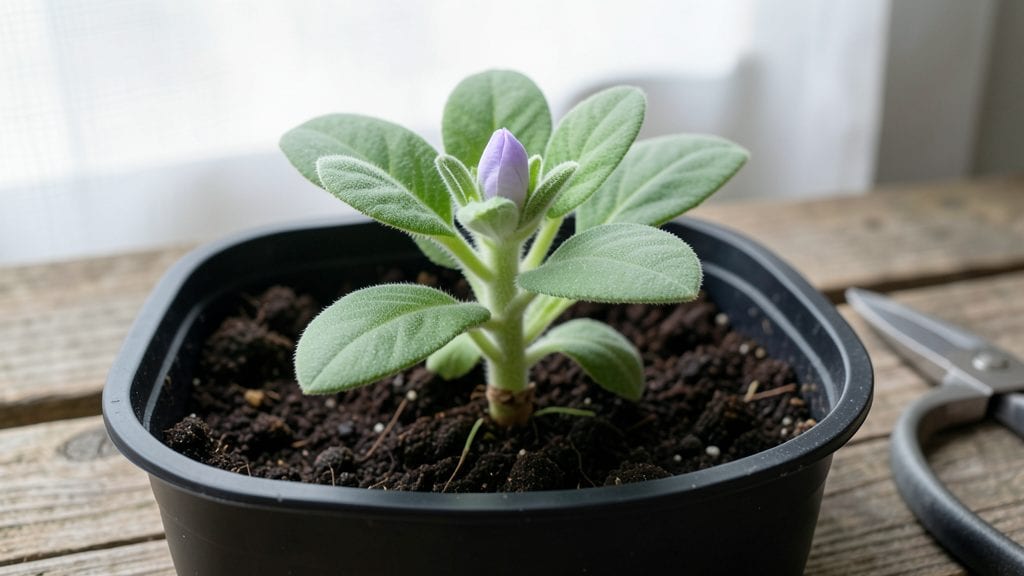
Mastering petunia seedling identification is your first step to growing stunning petunias—just look at those leaves. 🌱 I've spent years sorting through trays of tiny green sprouts, and the difference between a thriving petunia and a weed often comes down to those first few leaves—especially their shape and color.
Petunia seedlings typically have rounded, slightly fuzzy leaves with a soft green hue, though some varieties like the 'Wave' series show slightly pointed tips. Weeds often have narrower leaves or jagged edges, and their stems grow faster.
I always check for three true leaves before transplanting—this is when you can confidently tell what you're dealing with.
Once you spot the right seedlings, you'll avoid the heartbreak of pulling out what you thought was a petunia only to find it's a stubborn weed. Healthy seedlings have firm stems, vibrant color, and no yellowing. By the time they're ready for pots, you'll recognize them instantly—no guesswork needed.
This works for all petunia types, from trailing varieties to grandifloras, and even helps spot diseases early. The key is patience and close inspection. Here's how to tell them apart with confidence!
Common Mistakes in Seedling Spotting
Correctly identifying petunia seedlings relies on keen observation, but even experienced gardeners can misjudge varieties due to a few key factors. Understanding why misidentification happens helps you sharpen your skills and avoid costly errors—like planting the wrong colors or growth habits in your garden.
Below, we break down the most frequent pitfalls and their scientific roots.
Petunia seedlings undergo rapid changes in their first 4–6 weeks, and leaf shape and color can shift dramatically as they mature. Many gardeners make the mistake of judging a seedling based on its first true leaves (cotyledons) rather than the later juvenile or adult foliage.
- Why it happens: Cotyledons (the initial seed leaves) are often round, thick, and lack the distinct serrations or lobes of mature petunia leaves. For example, a Surfinia seedling’s cotyledons may look identical to a Wave seedling’s, but their true leaves develop into deeply serrated margins (Surfinia) versus slightly wavy edges (Wave).
- Actionable fix: Wait until seedlings produce their third or fourth true leaves (not cotyledons) before attempting identification. Use a magnifying glass to examine vein patterns and leaf texture, which become more distinct as the plant ages.
Petunia leaf and flower colors aren’t set in stone—they react to light exposure, temperature, and even soil pH. A seedling’s first blooms or leaves might appear darker, paler, or entirely different than the mature plant’s expected traits.
- Why it happens:
- Low light stress: Seedlings grown under insufficient light (e.g., shaded benches or overcrowded trays) develop longer internodes (stem segments) and lighter green or yellowish leaves due to chlorophyll breakdown. This can mimic nutrient deficiency or disease.
- Temperature fluctuations: Cool nights (<50°F/10°C) slow metabolism, causing bluish-purple tinges in leaves—a trait more common in Petunia × atkinsiana hybrids but often misattributed to Petunia hybrida varieties.
- Soil pH imbalances: Acidic soil (pH <6.0) can intensify red or purple hues in leaves, while alkaline soil (pH >7.5) may dull colors, making seedlings harder to match to catalog descriptions.
- Actionable fix:
- Use full-spectrum grow lights (12–16 hours/day) to ensure consistent color development.
- Compare seedlings to reference photos under identical lighting—take your own images with a color calibration card for accuracy.
- Test soil pH with a kit and amend with lime (to raise pH) or sulfur (to lower pH) if needed.
Many modern petunias are hybrids or F1 crosses, meaning their seedlings can inherit traits unpredictably from parent plants. If you’re growing from seed (rather than cuttings or named varieties), you might end up with a mix of unexpected colors, growth habits, or disease resistance.
- Why it happens:
- Incomplete dominance: Traits like double blooms or ruffled petals may skip a generation. For example, crossing a single-flowered petunia with a double-flowered one could produce seedlings with only partial double layers—easy to misidentify as a different variety.
- Epistasis (gene masking): Some genes suppress others. A seedling might inherit purple flower genes but express white blooms if a recessive "whitening" gene is active.
- Chimera mutations: Rare but possible in petunias, where only part of the leaf or flower shows the "true" trait (e.g., a sector of a leaf might be variegated while the rest isn’t).
- Actionable fix:
- If possible, start with named cultivars (not open-pollinated seeds) to ensure consistency.
- Document parent plant traits and cross-reference with PLR (Phenotypic Latent Ratio) charts for hybrid predictions.
- Test for hidden traits by stressing seedlings (e.g., slight drought) to reveal dormant characteristics.
Heat, humidity, or pests can alter a seedling’s appearance so drastically that it looks like a different variety entirely. For instance, crinkled leaves might signal a viral infection—or simply high humidity.
- Why it happens:
- Fungal/bacterial infections: Alternaria or Botrytis cause dark spots, wilting, or leaf curl, which can be mistaken for ruffled-leaf varieties like Petunia ‘Black Velvet’ seedlings.
- Insect damage: Spider mites or aphids distort new growth, making leaves appear puckered or stunted—a trait some gardeners confuse with dwarf petunia hybrids.
- Extreme heat: Temperatures above 85°F (29°C) cause bleached or sun-scorched leaf edges, which might be misread as variegated varieties.
- Actionable fix:
- Isolate stressed seedlings and treat with neem oil or fungicide before assuming they’re a rare variety.
- Compare symptoms to disease databases (e.g., Purdue’s Plant Disease Facts) to rule out pathogens.
- Use a handheld thermometer to monitor seedling microclimates—ideal temps are 65–75°F (18–24°C).
By recognizing these common pitfalls, you’ll develop a sharper eye for true varietal traits versus environmental quirks. Next, we’ll cover pro tips for accurate identification—including tools and tricks to confirm your guesses before planting! 🌿
Fixing Common Petunia Seedling Confusions
Misidentifying petunia seedlings can be frustrating, but with the right approach, you can quickly diagnose and resolve the issue—whether it’s leaf shape mix-ups, color discrepancies, or hybrid traits throwing you off.
Below are practical solutions tailored to the most common causes, along with prevention tips to keep your seedlings on track.
Cause: Hybrid cross-pollination or accidental mixing of seeds. Fix:
- 🔍 Compare to a reference guide: Use a petunia variety chart (like the one in our leaf shape guide) to match leaf texture, serration, and overall growth pattern. Note whether the seedlings have ruffled, smooth, or lobed edges.
- 🌿 Isolate seedlings by type: If you suspect mix-ups, separate seedlings into groups based on their most dominant traits (e.g., "all purple-flowered" vs. "all striped"). Label trays clearly to avoid future confusion.
- 💡 Pro Tip: If you’re growing from seed, keep parent plants isolated by at least 50 feet to prevent accidental cross-pollination.
Prevention:
- Buy seeds from reputable suppliers that specify hybrid purity.
- Start with one variety per tray if you’re a beginner.
Cause: Nutrient deficiencies, lighting issues, or genetic variability. Fix:
- 🌞 Check light exposure: Petunia seedlings need 12–16 hours of bright, indirect light daily. Pale or yellowing leaves? Move them closer to a south-facing window or use a grow light.
- 🍽️ Adjust fertilizer: Over- or under-fertilizing can alter leaf color. Use a balanced 10-10-10 or 20-20-20 fertilizer at half-strength until seedlings have 2–3 true leaves. Switch to a low-nitrogen, high-phosphorus formula (e.g., 5-10-10) once flowering begins.
- 🔎 Rule out pests: Tiny white spots or streaks on leaves? Check for aphids or spider mites. Spray with neem oil or insecticidal soap if needed.
Prevention:
- Test soil pH (ideal range: 6.0–7.0) before planting.
- Avoid cold drafts, which can cause uneven coloration.
Cause: Temperature stress, overcrowding, or improper watering. Fix:
- 🌡️ Ideal temperature range: Keep seedlings between 65–75°F (18–24°C) during the day and 55–60°F (13–16°C) at night. Use a seedling heat mat if your home runs cooler.
- 💧 Water wisely: Overwatering leads to damping off (black, mushy stems), while underwatering causes stunted growth. Water at the soil level, not the leaves, and use a spray bottle for gentle moisture.
- 📏 Thin seedlings: If they’re packed too tightly, use scissors (sterilized with rubbing alcohol) to snip off weaker stems at the base. Leave 2–3 inches between plants to prevent competition.
Prevention:
- Use well-draining seedling mix (e.g., 50% peat moss, 50% perlite).
- Hardening off seedlings gradually before transplanting to avoid shock.
Cause: Some petunias (like ‘Wave’ or ‘Supertunia’) have unpredictable leaf patternsor flower colors due to breeding. Fix:
- 📸 Document early: Take photos of seedlings at the 2-leaf stage to track changes. Hybrid traits often become clearer as they mature.
- 🌼 Wait for flowers: Leaf shape can be deceiving—flower color and pattern are the best identifiers. Some hybrids (e.g., ‘Mitchell’ diploid petunias) may surprise you with striped or bi-color blooms.
- 🌱 Transplant cautiously: If you’re unsure, plant one seedling per pot to monitor growth without crowding.
Prevention:
- Research parent plant traits before buying seeds. For example:
- ‘Dreamies’ often have ruffled edges and pastel colors.
- ‘Easy Wave’ varieties tend to have smoother leaves and trailing growth.
Remember: Petunia seedlings are resilient—most issues can be corrected with light adjustments, proper spacing, and patient observation. If all else fails, treat it as a learning opportunity: even "mistakes" can lead to unique, one-of-a-kind plants!
Frequently asked questions about petunia seedlings
How can I tell if my tiny green sprouts are actually petunia seedlings?
Look for rounded, fuzzy leaves with visible veins—petunia seedlings typically have 3-4 true leaves (not just cotyledons) that appear soft and slightly serrated. Weeds often have narrower leaves or jagged edges. Check for hairy stems, another key trait of petunias.
Why do some petunia seedlings look different from the seed packet description?
Hybrid varieties can produce unexpected traits! Seed packets often show mature plants, but seedlings may have lighter colors or different leaf shapes until they bloom. Wait until they develop 3-4 true leaves or even flowers before judging. Temperature and light also affect early growth patterns.
What's the best way to differentiate petunia seedlings from weeds?
Petunia seedlings have rounded leaves with soft edges and grow upright initially, while weeds often have longer, thinner leaves and sprawl outward. Use a magnifying glass to check for tiny hairs on stems—a hallmark of petunias. Remove anything with sharp-toothed leaves or rapid vine growth.
Can I transplant petunia seedlings too early?
Yes! Transplant when they have 3-4 true leaves and are about 2-3 inches tall. Wait until nighttime temperatures stay above 55°F (13°C) to avoid shock. Harden them off for 5-7 days by gradually exposing them to outdoor conditions before moving to their final location.
What should I do if my petunia seedlings look unhealthy?
Check for yellowing leaves (nutrient deficiency), black stems (damping off), or crinkled leaves (pests). Move to brighter light, reduce watering, and treat with neem oil if needed. Remove any seedlings with mushy stems immediately to prevent spread.