
How To
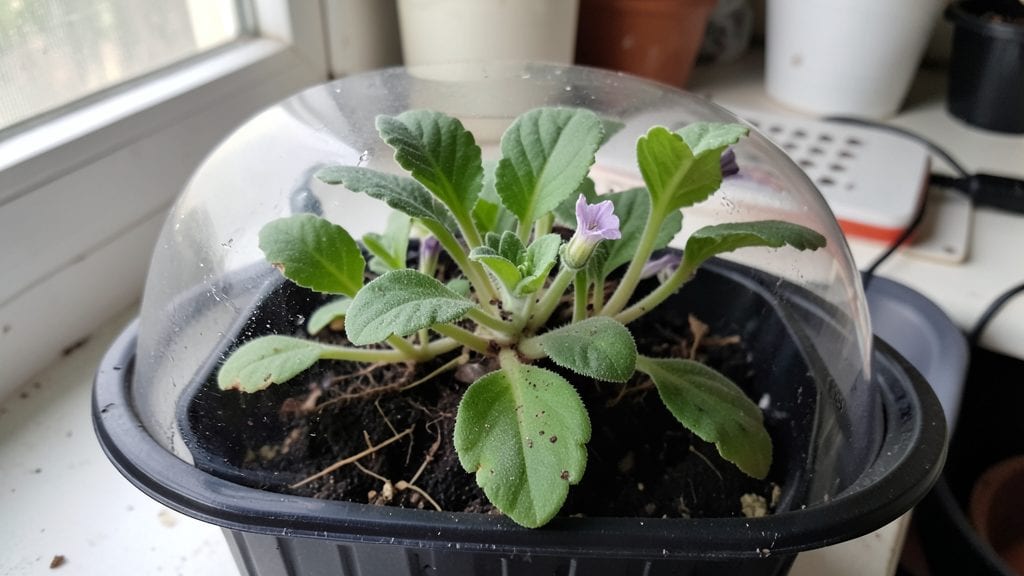
Knowing petunia seeds when to sow indoors—8 to 10 weeks before your last frost—sets the stage for lush, summer-long blooms 🌸 that burst into color as soon as you transplant them.
Struggling to get your petunias to bloom on time? Timing is everything when sowing petunia seeds—plant too early or late, and you’ll miss the vibrant summer display you crave. Learn the exact indoor vs. outdoor sowing schedule to ensure lush, continuous flowers all season long.
In USDA Zone 6a, that means starting seeds in early March for outdoor planting by mid-May, but warmer climates can shift that window by weeks.
Whether you’re a first-time gardener or a seasoned pro, getting this right means the difference between a few sad flowers and a border bursting with color.
Below, I’ll walk you through the step-by-step timeline, from indoor seed-starting to outdoor transplanting, plus how to adjust for your specific climate. No more guessing—just perfectly timed petunias that bloom right when you want them.
Optimal indoor sowing timeline for petunia seeds: when to start for outdoor transplanting
Petunias are summer's showstoppers, but their timing-sensitive seeds demand precision. Starting them indoors 4-8 weeks before your last frost date ensures robust seedlings ready for transplanting.
In USDA Zone 6a, that means sowing between March 15-April 15, but adjust for your region—cooler zones need earlier starts, while warmer areas can delay slightly.
Indoor germination requires consistent warmth (70-75°F), bright light (grow lights or south-facing windows), and high humidity (cover with plastic wrap). Without these, you risk leggy seedlings or damping-off disease. I’ve learned the hard way—skipping humidity control leads to moldy trays and wasted seeds!
Here’s your region-specific sowing timeline to avoid common pitfalls:
| USDA Zone | Last Frost Date | Indoor Sowing Window | Transplant Ready | Key Tip |
|---|---|---|---|---|
| 3-5 (Cold Climates) | May 1-15 | March 1-15 | April 15-30 | Use grow lights—natural light is weak |
| 6-8 (Temperate) | April 15-May 1 | March 15-April 1 | May 1-15 | Hardening-off 2 weeks before transplant |
| 9-10 (Warm Climates) | February 15-March 1 | February 1-March 15 | March 15-April 15 | Direct sow after frost—skip indoor start |
For optimal germination, scatter tiny petunia seeds on moist seed-starting mix (never bury them—they need light). Keep trays in a humid propagator or sealed plastic bag until sprouts appear (7-14 days).
Once seedlings emerge, remove the cover and place under grow lights 12-16 hours daily to prevent stretching.
Watch for leggy seedlings, a sign of insufficient light. If stems elongate beyond 2 inches, lower your lights immediately or supplement with a south-facing window. I’ve rescued many a leggy petunia by adjusting light distance—now they’re stocky and ready for transplanting!
Hardening-off is critical. 10-14 days before transplanting, gradually expose seedlings to outdoor conditions: start with 1 hour daily, then increase. This toughens them up for full-sun gardens or container plantings. Skip this step, and you’ll risk shock or stunted growth.
Transplant after nighttime temperatures stay above 55°F. Choose a well-draining spot with 6+ hours of sunlight—petunias thrive in heat but wilt in shade. Space dwarf varieties 8-12 inches apart; larger types need 18-24 inches to sprawl beautifully.
Mulch around plants to retain moisture and cool roots. Petunias love consistent watering but hate soggy soil—aim for 1 inch of water weekly. Deadhead spent blooms weekly to encourage nonstop flowers until frost. With the right timing, your petunias will bloom from June to October!
Pro tip: Mark your last frost date and count backward. For USDA Zone 6a, that’s April 15, so start seeds by March 1. Adjust for your zone, and you’ll have blooms on schedule every year. Happy growing! 🌸
Direct outdoor sowing vs. transplanting: best months and climate considerations
Choosing between direct outdoor sowing and transplanting seedlings for petunias depends on your USDA zone and local climate. In warmer regions (Zones 9-11), petunia seeds can often be sown directly outdoors as early as February-March, while cooler zones (Zones 3-8) require starting seeds indoors or transplanting hardened-off seedlings.
The key is matching your method to soil temperatures and frost risk.
Petunia seeds need consistent soil temperatures of at least 60°F (15°C) to germinate reliably. Direct sowing in cold soils leads to poor germination rates and weak seedlings. For most gardeners, transplanting 4-6 week old seedlings after the last frost date offers better control over timing and healthier plants.
This approach also helps extend the blooming season by giving you a head start.
🚨 comparison table 🚨
| Factor | Direct Outdoor Sowing | Transplanting Seedlings |
|---|---|---|
| Best USDA Zones | 9-11 (warm climates) | 3-10 (most regions) |
| Ideal Months | Feb-Mar (Zones 9-11) | Apr-May (after frost) |
| Soil Temperature | ≥60°F (15°C) | ≥55°F (13°C) |
| Frost Sensitivity | High (seeds won't survive frost) | Moderate (hardened seedlings tolerate light frost) |
| Germination Time | 7-14 days (if conditions ideal) | N/A (use established seedlings) |
| Bloom Timing | Late summer (if sown early) | Early summer (4-6 weeks earlier) |
| Best For | Experienced gardeners in warm climates | Most gardeners (better control over growth) |
If you live in USDA Zones 3-8, transplanting is almost always the better choice. Start seeds indoors 8-10 weeks before your average last frost date, then transplant after hardening off.
For example, in Zone 6 (last frost around April 15), begin sowing indoors in February for early summer blooms. This method gives you a 4-6 week head start compared to direct sowing.
In cooler climates (Zones 3-5), consider using row covers or greenhouses to extend the season. You can transplant hardened seedlings as early as late April and protect them with frost cloth until temperatures stabilize.
This technique lets you enjoy continuous blooms from June through October, even in short growing seasons.
For tropical climates (Zones 10-11), direct sowing works well if you start in February and maintain soil warmth. However, petunias in these areas often benefit from succession planting every 3-4 weeks to ensure flowers all year.
Always monitor humidity levels—petunias thrive with 50-70% humidity but can suffer in stagnant, wet conditions.
Regardless of your method, always harden off seedlings for 7-10 days before transplanting. Gradually expose them to outdoor conditions to prevent shock. Mulch around plants after transplanting to retain moisture and keep roots cool during hot afternoons.
With the right timing, your petunias will reward you with vibrant blooms all season long! 🌸