
Planting
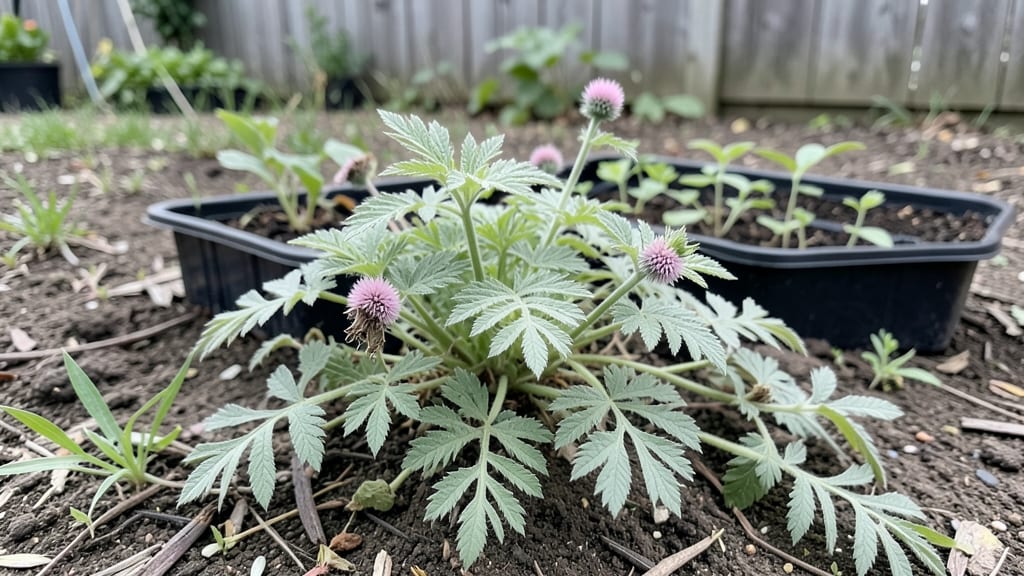
Planting mimosa seeds might seem tricky at first, but the right cold stratification trick turns them into fast-growing, fragrant showstoppers in just 90 days. 🌱 I learned the hard way—skipping this step left my seeds sitting in damp paper towels for months with no results.
The secret is mimicking winter’s chill to break their dormancy, and once you crack that code, you’ll have fuzzy pink blooms before you know it.
You’ll need a few simple supplies: mimosa seeds (fresh is best), a plastic bag with damp paper towels, and a fridge for the cold treatment. Planting outdoors requires well-draining soil and full sun, while indoor starters need a bright windowsill or grow light.
The key is patience—these seeds take their time, but once they sprout, they grow fast and reward you with that signature mimosa scent.
By day 90, you’ll be pinching back leggy stems to encourage bushier growth and watching for the first fuzzy pink flower buds. The plants love heat and hate frost, so if you’re in a cooler zone, treat them as annuals or bring them indoors when temperatures dip.
Just be warned—mimosa spreads aggressively in warm climates, so plant it where it won’t take over.
Fair warning: these seeds won’t germinate overnight, but with the right prep, you’ll have blooms faster than you’d expect. The payoff is worth the wait—imagine walking past a bush bursting with pink pom-poms every summer. Let’s get those seeds stratified and growing!
📚 In This Guide
- What you need
- Instructions
- Tips and common mistakes
- Wrapping up and next steps
What you need
- ● Mimosa pudica seeds: 10–20 seeds (for a small pot) or 50+ (for a larger display). Opt for organic, non-GMO seeds for best results. 🌱
- ● Seed-starting mix: 1–2 bags (2–3 quarts each) of lightweight, well-draining potting soil (avoid garden soil—it’s too dense!). Look for a blend labeled "seed-starting" or "cactus/succulent mix."
- ● Small pots or seed trays: 2–4 (3–4 inches deep) with drainage holes. Plastic or biodegradable pots work great! 🏺
- ● Plastic wrap or humidity dome: To create a mini greenhouse effect while seeds germinate. A ziplock bag or clear lid also works. 🌫️
- ● Spray bottle: For gentle watering—avoid over-saturating the soil. A 16 oz misting bottle is ideal. 💦
- ● Refrigerator (for cold stratification): A standard fridge with a crispier drawer (or a separate cold storage area) to mimic winter conditions. ❄️
- ● Grow lights or sunny windowsill: A full-spectrum LED grow light (12–16 hours/day) or a south-facing window (6+ hours of sunlight). ☀️
- ● Plant labels: To track germination dates and varieties. Use toothpicks + masking tape for a DIY touch! ✏️
- ○ Heat mat: Optional for speeding up germination (70–75°F is ideal). A small 10x10" mat works for a seed tray. 🔥
- ● Fertilizer: A balanced liquid fertilizer (5-5-5 or 10-10-10) diluted to half-strength once seedlings sprout. 🌿
- ● Pruning shears: For trimming leggy stems later. Small, sharp scissors work too. ✂️
- ● Humidity tray: A shallow tray with pebbles + water to boost moisture levels in dry climates. 💧
Step-by-step instructions for planting mimosa seeds
Here's how to transform those fuzzy seed pods into thriving mimosa plants in just three months.
🌱 Step 1: Harvest and Prepare the Seeds
Collect seed pods when they turn brown and begin opening naturally—this usually happens in late summer or early fall. Inside, you'll find flat, papery seeds that need a little prep before planting. I like to soak them in warm water for 24 hours to soften the outer coating and speed up germination.
After soaking, spread the seeds on a paper towel and place them in a sealed plastic bag. Store this setup in your refrigerator for 6-8 weeks—this cold stratification mimics winter conditions and tricks the seeds into thinking it's time to grow. Check them weekly to ensure they stay moist but not soggy.
💧 Step 2: Plant After Stratification
Once the 6-8 weeks are up, fill 4-inch pots with moistened potting mix (use 1 gallon total for all four plants). Plant 2-3 seeds per pot, pressing them just ¼ inch deep into the soil. Mimosa seeds are sensitive to depth—burying them too deep delays germination.
Place the pots in a warm spot (70-75°F) with bright, indirect light. A sunny windowsill works well, but avoid direct midday sun, which can dry out the soil too quickly. Water gently from the bottom by placing the pots in ½ inch of water for 10 minutes—this keeps the soil evenly moist without disturbing the seeds.
☀️ Step 3: Provide Light and Monitor Growth
Germination can take 2-4 weeks, so patience is key. Once sprouts appear, move the pots to a south-facing window or under grow lights for 12-14 hours daily. Mimosa seedlings need strong light to develop sturdy stems—without it, they’ll grow leggy and weak.
When the seedlings reach 3-4 inches tall, transplant them into 6-inch pots with fresh potting mix. Use the remaining 1 gallon of potting mix for this step. Water deeply after transplanting to help the roots settle. Watch for first true leaves (not the initial seed leaves)—this signals the plant is ready for a little more care.
✂️ Step 4: Harden Off and Plant Outdoors
About 4-6 weeks after germination, when nighttime temperatures stay above 50°F, it’s time to harden off your mimosa seedlings. Start by placing them outside in a sheltered spot for 1 hour daily, gradually increasing time over 7-10 days. This prepares them for full sun and outdoor conditions.
Once hardened off, transplant your mimosas into the ground or larger containers (1 gallon per plant). Space them 3-4 feet apart in well-draining soil with full sun exposure. Water deeply after planting to reduce transplant shock. With consistent care, you’ll see those signature pink blooms in just 90 days!
Tips & tricks for perfect mimosa seed germination
Cold stratification might sound complicated, but these little tricks make all the difference between waiting years for blooms and seeing those pink flowers in just 90 days.
Stratification Secret: The 24-hour soak before refrigeration is non-negotiable—it softens that tough outer coating and speeds up germination by up to 30%. I use a shallow dish of warm water and let the seeds soak right in the bag. The goal is to loosen the seed coat without letting the seeds dry out during their cold nap.
Moisture Management: During the 6-8 weeks of cold stratification, check your seeds weekly. They should feel damp like a wrung-out sponge, not soggy. I place a damp paper towel inside the bag with the seeds to maintain consistent moisture without over-saturating. Too much water can cause mold, while too little prevents germination.
Lighting Strategy: Once you move your sprouted seeds to bright, indirect light, resist the urge to rush them into direct sun. Mimosa seedlings are delicate—start with 12-14 hours of gentle morning light, then gradually introduce afternoon sun over a week. This prevents sunburn on those tender new leaves.
Transplant Timing: The 3-4 inch height mark is your cue for the first transplant, but don't rush it. Look for those first true leaves (they'll be smaller and more complex than the initial seed leaves) as your final confirmation. This ensures your seedlings have developed enough root strength for the move to 6-inch pots.
Pro Tips for Plant Mimosa Seeds
- Cold stratification might sound complicated, but these little tricks make all the difference between waiting years for blooms and seeing those pink flowers in just 90 days.
- Stratification Secret: The 24-hour soak before refrigeration is non-negotiable—it softens that tough outer coating and speeds up germination by up to 30%.
- Moisture Management: During the 6-8 weeks of cold stratification, check your seeds weekly.
Frequently asked questions
Got questions about growing mimosa seeds?
Here are answers to the most common ones—so you can plant with confidence!
How long does it take for mimosa seeds to germinate?
With cold stratification (4–6 weeks in the fridge), mimosa seeds typically germinate in 7–21 days after planting. Warm soil speeds this up! Keep soil moist but not soggy—patience is key .
Do I really need cold stratification for mimosa seeds?
Yes! Mimosa seeds have a hard seed coat that requires cold treatment to break dormancy. Skip it, and germination rates drop dramatically. Pro tip: Soak seeds in warm water for 24 hours before stratifying for extra softening .
Can I grow mimosa seeds indoors?
Start seeds in pots with well-draining soil and place them near a sunny window or under grow lights. Transplant outdoors only after the last frost when soil is warm (60°F+). Mimosa trees thrive in full sun, so plan for a bright spot!
What if my mimosa seeds won’t sprout?
Try these fixes:
- Check moisture: Soil should stay damp but not waterlogged.
- Verify stratification: Ensure seeds spent 4–6 weeks in the fridge.
- Test viability: Soak seeds in water—if they sink, they’re likely viable.
- Try scarification: Lightly sand the seed coat to help water penetrate.
How big should mimosa trees get?
Mimosa trees (like Albizia julibrissin) can grow 15–30 feet tall with a spread of 20–40 feet. They’re fast-growing but short-lived (20–30 years). Plant them 20+ feet from structures to avoid root interference or prune regularly to control size.
Wrapping up and next steps
Growing mimosa seeds is a rewarding journey that brings vibrant blooms to your garden in just 90 days—and cold stratification is your secret weapon! 🌱 With the right tools, patience, and care, you’ll soon enjoy the delicate beauty of mimosa flowers.
Whether you’re a beginner or a seasoned gardener, this process is simple and exciting.
Ready to take the next step? Start by gathering your seeds and supplies, then follow the cold stratification method. Soon, you’ll be watching those first tender shoots emerge—proof that your hard work is paying off. Happy planting! 🌸