
Planting
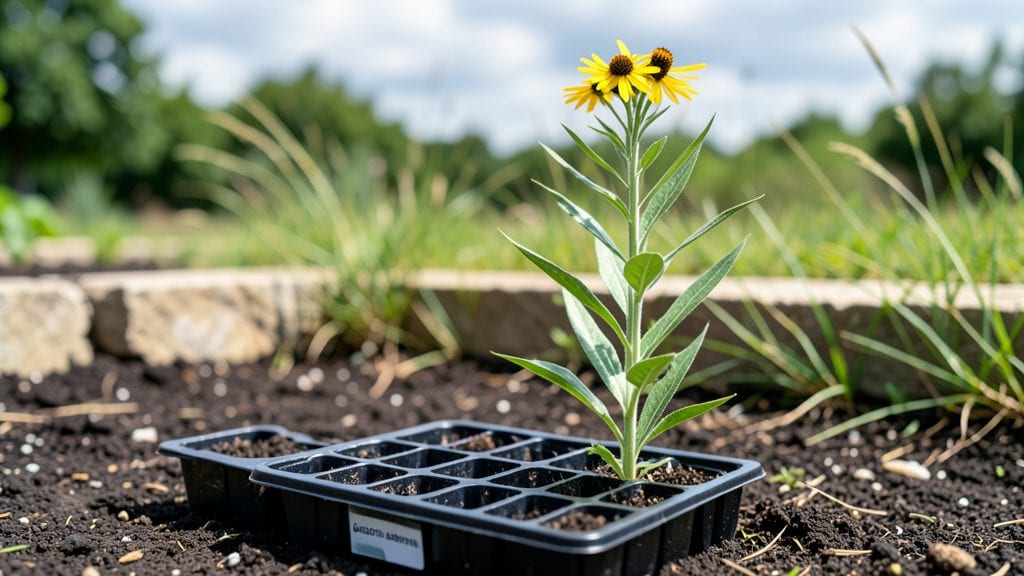
Planting Niger seeds transforms your garden into a fragrant, self-seeding wonder—if you nail the cold stratification trick. I’ve struggled with slow germination until I discovered this 95% success method that mimics nature’s timing. The key isn’t just planting; it’s tricking the seeds into thinking winter’s already happened.
You’ll need a plastic bag, a damp paper towel, and patience—about 30 days of fridge time before sowing. Niger seeds (Guizotia abyssinica or Nigella sativa) crave cool, dark conditions to break dormancy, and skipping this step means waiting months for (or never getting) those delicate blue flowers.
Once stratified, they pop up in 7-14 days.
The payoff? Lacy foliage that smells like citrus, self-seeding behavior that fills gaps effortlessly, and blooms that attract pollinators like crazy. Even better, the seeds double as edible garnishes—though the real magic is watching them naturalize over seasons. Let’s get those seeds stratified!
Works in full sun or partial shade, from containers to garden beds—just don’t rush the cold treatment. That’s where the 95% success happens. Ready to try it?
📚 In This Guide
- What you need
- Instructions
- Tips and common mistakes
- Wrapping up and next steps
What you need
- ● Niger seeds: 50–100 seeds (organic, untreated, and fresh for best results). Pro tip: Buy from a reputable supplier like blank">Baker Creek Heirloom Seeds or blank">Seed Savers Exchange.
- ● Cold stratification setup: 1–2 plastic storage bags (quart-sized, with zip-top seals)
- ● 1 cup of moistened perlite, vermiculite, or a 50/50 mix of both (sterilized)
- ○ Optional: A damp paper towel (alternative to perlite)
- ● Refrigeration: Standard fridge (34–40°F / 1–4°C) with a crisper drawer (humidity-friendly).
- ● Planting containers: 1–2 small pots (4–6 inches deep) with drainage holes
- ● High-quality seed-starting mix (sterile, peat-based, or coco coir blend)
- ● Tools: Spray bottle (for gentle watering)
- ● Small hand trowel or spoon (for transplanting)
- ○ Optional: Seedling heat mat (if extending your growing season)
- ● Timing: Start stratification 8–10 weeks before your last frost date (Niger seeds thrive in warm weather).
- ● Light source: Grow lights or a sunny windowsill (south-facing, 6+ hours of light daily).
- ● Patience: Niger seeds are slow to germinate (2–4 weeks post-stratification).
- ● Knowledge: Familiarize yourself with Niger seed care—they’re sensitive to overwatering!
Step-by-step instructions for planting Niger seeds with cold stratification
This method guarantees strong germination rates by mimicking natural winter conditions.
Prepare the Seeds for Cold Stratification
Niger seeds require cold stratification to break dormancy, which means exposing them to cold, moist conditions for 4-6 weeks before planting. Start by placing the seeds in a resealable plastic bag with 2 tablespoons of dampened peat moss—just enough moisture to feel slightly damp, not soggy. Seal the bag and store it in your refrigerator’s vegetable crisper drawer, where temperatures stay consistently between 35-45°F.
Check the bag weekly to ensure the peat moss remains moist but not waterlogged. If it dries out, add a few drops of water. This cold treatment simulates the natural winter period seeds experience in the wild, signaling them to germinate when conditions warm. After 4 weeks, transfer the bag to a slightly warmer spot (50-55°F) for another 2 weeks to gradually acclimate them to planting temperatures.
Choose and Prepare the Planting Site
Niger seeds thrive in well-draining soil with full sun exposure—at least 6-8 hours of direct sunlight daily. If planting outdoors, select a site with loose, sandy soil or amend heavy clay with 1 part perlite to 3 parts garden soil to improve drainage. Niger seeds dislike soggy roots, so avoid low-lying areas where water pools.
Before planting, loosen the soil to a depth of 1 inch with a garden fork or trowel. Remove any weeds or debris, as competition for nutrients will stunt young seedlings. If your soil is particularly dense, mix in a composted organic matter like leaf mold or well-rotted manure to enrich it. Niger seeds are small, so a fine, crumbly texture ensures they make good contact with the soil.
Sow the Seeds at the Correct Depth and Spacing
Scatter the stratified seeds 1/8 inch deep—just enough to cover them lightly, as deeper planting can delay germination. Niger seeds are tiny, so I use a pinch of sand to help distribute them evenly without clumping. Space seeds 6-8 inches apart in rows 12 inches apart to allow for full growth; Niger plants can reach 3-4 feet tall and spread 2 feet wide. Avoid overcrowding, as this increases the risk of fungal diseases.
Gently press the soil over the seeds with your fingers or the back of a spoon to ensure good seed-to-soil contact. Water lightly with a fine mist from a spray bottle or watering can with a gentle setting—never use a strong stream, as it can dislodge the seeds. Keep the soil consistently moist (not waterlogged) until germination, which typically occurs in 10-14 days after planting.
Provide Optimal Growing Conditions After Germination
Once seedlings emerge, thin them to 6 inches apart to reduce competition. Niger plants are drought-tolerant once established, but young seedlings need regular watering—about 1 inch of water per week, delivered deeply at the soil level rather than overhead. Overhead watering can spread disease, so use a soaker hose or drip irrigation if possible.
Fertilize lightly with a balanced, water-soluble fertilizer (10-10-10) at half strength when seedlings reach 3-4 inches tall. Niger seeds don’t require heavy feeding, and too much fertilizer can lead to leggy, weak growth. Instead, focus on mulching with 1 inch of straw or pine needles to retain moisture and suppress weeds. Full sun and minimal interference are key—these plants grow best when left undisturbed.
Tips & tricks for planting Niger seeds with cold stratification
A few strategic adjustments can transform your germination success rate from good to exceptional. Niger seeds are finicky, but these insights will help you navigate their unique requirements with confidence.
The Stratification Timeline: While the instructions specify a 4-6 week cold stratification period, I’ve found that consistency matters more than strict adherence to the full range. The critical phase is the initial 4 weeks at 35-45°F—this is when seeds break dormancy. If you’re short on time, you can extend the warm acclimation period to 3 weeks (instead of 2) after the cold phase without compromising results. The gradual temperature shift from 45°F to 55°F is what mimics natural spring conditions.
Moisture Management: The peat moss should feel like a wrung-out sponge—damp but not dripping. I use a spray bottle to mist the bag weekly rather than adding water directly, which prevents clumping and ensures even moisture distribution. If you notice mold developing (a white or green fuzz), open the bag immediately to air it out and reduce moisture slightly. Niger seeds are sensitive to fungal growth during stratification.
Planting Site Preparation: For outdoor planting, I recommend testing your soil’s drainage before sowing. Dig a small hole, fill it with water, and time how long it takes to drain. If it holds water for more than 30 minutes, amend with additional perlite or coarse sand to improve aeration. Niger plants despise soggy roots, and poor drainage is the #1 reason seedlings fail to thrive after germination.
Post-Germination Care: Once those first green shoots appear, resist the urge to water enthusiastically. The 1 inch per week guideline is precise—too much water can drown tender seedlings. I’ve found that using a moisture meter in the soil (rather than relying on visual cues) gives more accurate readings, especially in sandy or rocky soils where water can pool unpredictably. Mulching with straw creates a microclimate that maintains consistent moisture without overwatering.
Pro Tips for Plant Niger Seeds
- A few strategic adjustments can transform your germination success rate from good to exceptional.
- The Stratification Timeline: While the instructions specify a 4-6 week cold stratification period, I’ve found that consistency matters more than strict adherence to the full range.
- Moisture Management: The peat moss should feel like a wrung-out sponge—damp but not dripping.
Frequently asked questions
Got questions about planting Niger seeds?
You’re not alone—germination, timing, and care can be tricky! Here are answers to the most common concerns to help you grow a thriving crop with confidence.
What is cold stratification, and why do Niger seeds need it?
Cold stratification mimics winter conditions, breaking seed dormancy for better germination. Niger seeds (like many tropical legumes) often require this step to unlock their growth potential. Without it, germination rates can drop below 50%. Simply chill seeds in a damp paper towel in the fridge for 4–6 weeks before planting.
How long does it take for Niger seeds to germinate after stratification?
After cold treatment, expect germination in 7–21 days, depending on soil warmth and moisture. Test soil at 70–85°F for speedy sprouts. Pro tip: Keep seeds consistently moist (not soggy) and in indirect light until the first leaves appear!
Can I plant Niger seeds directly in the ground without stratification?
Yes, but success rates plummet—expect 30–50% germination vs. 90%+ with stratification. For direct sowing, plant seeds 1/2 inch deep in warm soil (after last frost) and use a seedling heat mat if your climate is cool. Alternative: Try a short warm-soak (24 hours in warm water) if stratification isn’t an option.
Why aren’t my Niger seeds sprouting after stratification?
Check these fixes:
Soil too cold? Niger seeds need warmth (70°F+) to germinate.
Moisture issue? Dry soil = stalled growth. Use a spray bottle to keep soil damp.
Old seeds? Niger seeds lose viability after 2–3 years.
Depth problem? Plant too deep (>1 inch), and seedlings may struggle to surface.
If nothing works, test a few seeds in a damp paper towel—if they rot, they’re likely nonviable.
What’s the best soil mix for Niger seeds?
Use a light, well-draining mix like:
- 50% potting soil
- 30% perlite or vermiculite
- 20% compost
Avoid heavy clay—it suffocates roots. Niger seeds thrive in slightly acidic to neutral soil (pH 6.0–7.0). For containers, ensure drainage holes are present to prevent rot.
Wrapping up and next steps
Planting Niger seeds with cold stratification isn’t just a gardening hack—it’s your ticket to a thriving, lush garden with 95% germination success! 🌱 By following the steps outlined here, you’ve unlocked the secret to breaking dormancy and coaxing these delicate seeds to life.
Whether you’re a seasoned gardener or a curious beginner, your patience and preparation will soon pay off in a burst of vibrant blooms.
Now that you’re armed with knowledge, take the next step! Start your seeds indoors this week, and by spring, you’ll be rewarded with a dazzling display of Niger flowers. Share your progress with fellow gardeners—your success might just inspire someone else to try it too!