
Lawn
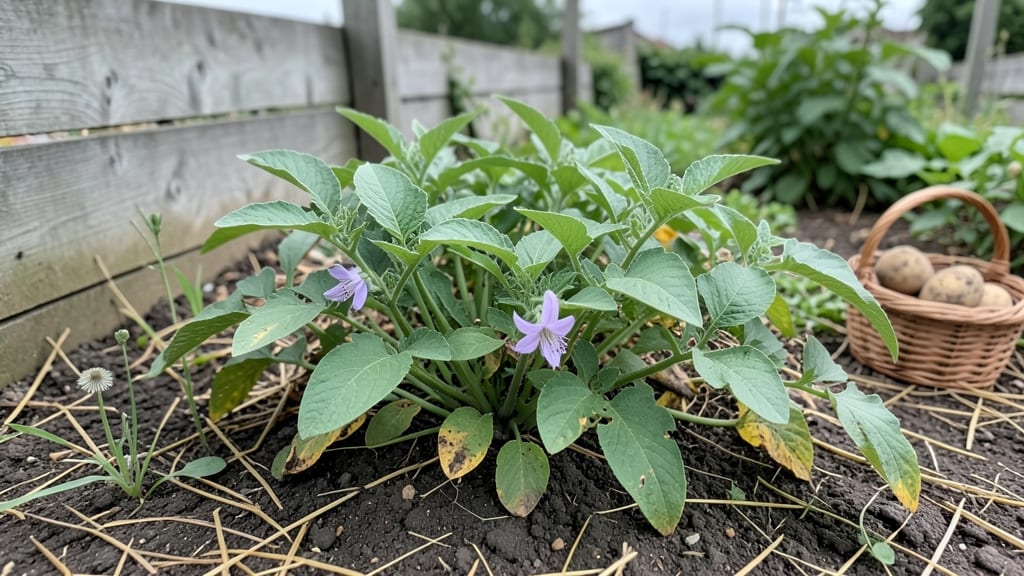
Growing potatoes from seed pods lets you cultivate heirloom varieties that disappear from grocery stores every year. 🌱 I’ve watched my own seed pods transform into lush, flowering plants that produce potatoes with flavors store-bought spuds can’t match.
The key is cold stratification—mimicking winter’s freeze-thaw cycle to break dormancy and trigger germination.
Most gardeners overlook seed pods because they’re unfamiliar with the process, but it’s simpler than you’d think. You’ll need a cool, dark spot (like a fridge), a little patience, and the right soil mix to get those first green shoots popping through in 6-8 weeks.
Unlike starting with tubers, seed pods give you full control over variety selection—perfect for organic growers or anyone craving unique flavors.
By the time you’re harvesting, you’ll have 10-20 pounds of potatoes per plant, depending on care. The plants themselves are striking—tall, leafy, and covered in delicate blooms that attract pollinators.
This method works for beginners too, though it does require a little more attention to soil moisture and light than growing from tubers.
Whether you’re growing for food, flowers, or just the adventure, seed pods open up a whole new world of potato gardening. Let’s get those sprouts started right—your future harvest depends on it.
Understanding Unexpected Seed Pods
When your potato plants start producing seed pods instead of the tubers you planted for, it’s often a sign that nature is trying to reproduce—but not in the way you intended. These pods can appear for several key reasons, each tied to the plant’s biology and growing conditions.
Let’s break down the science behind why this happens and how you can address it.
Potato plants (Solanum tuberosum) are naturally perennials, meaning they evolved to survive year after year by producing seed pods (technically called berries) as a way to propagate.
When grown in ideal conditions—warm temperatures, long daylight hours, and minimal stress—your potato plants may shift their energy from tuber production to flowering and seed development instead.
- Daylength matters: Many potato varieties are short-day plants, meaning they detect longer daylight hours (common in late summer) as a signal to flower and set seed.
If your plants experience 14+ hours of daylight, they may prioritize reproduction over tuber growth. - Variety traits: Some heirloom or wild potato varieties are more prone to seed pod formation than commercial table-stock potatoes.
If you’re growing potatoes from seed (rather than certified seed potatoes), this trait is even more likely to appear. - Age of the plant: Older potato plants with well-established roots may redirect nutrients toward flowering if they sense the growing season is winding down.
Actionable tip: 🌡️ If you’re in a region with long summer days, opt for early-maturing potato varieties or use shade cloth to reduce daylight exposure and encourage tuber growth.
Potato plants are sensitive to stress, and when they experience drought, extreme heat, or poor soil conditions, they may abort tuber formation and instead focus on producing seed pods as a backup survival strategy.
- Water stress: Inconsistent watering or drought conditions can trigger abscisic acid (a plant hormone) production, signaling the plant to conserve energy by shifting resources toward seed development rather than storing them in tubers. - Nutrient deficiencies: A lack of phosphorus or potassium (critical for tuber formation) can stunt root growth, causing the plant to prioritize above-ground reproduction instead. - Soil temperature fluctuations: Potatoes thrive in consistently cool soil (50–70°F).
If the ground heats up too quickly (common in early spring or late summer), the plant may halt tuber growth and focus on flowering.
Actionable tip: 💧 Mulch heavily to keep soil moisture and temperature stable, and fertilize with a balanced 10-10-10 or 5-10-10 at planting to support tuber development.
Seed pod formation is often tied to plant hormones, particularly gibberellins (which promote flowering) and florigen (a protein that triggers the transition from vegetative to reproductive growth).
- Gibberellins: These hormones stimulate stem elongation and flower formation.
If your potato plants receive too much nitrogen early in the season, they may produce excessive foliage and flowers at the expense of tubers. - Florigen production: Long daylight periods and warm nights boost florigen levels, pushing the plant into reproductive mode.
This is why seed pods are more common in late-season potatoes. - Pruning effects: If you heavily prune potato foliage (especially early in the season), it can disrupt hormone balance, sometimes leading to premature flowering and seed pod development.
Actionable tip: 🌿 Avoid over-fertilizing with nitrogen—stick to a low-nitrogen, high-phosphorus approach (like 5-10-10) to encourage tuber growth. If you notice excessive flowering, remove some blossoms to redirect energy to the tubers.
Potatoes are highly responsive to environmental conditions, and certain factors can trick them into thinking it’s time to reproduce rather than store energy in tubers.
- Excessive heat: Temperatures above 85°F (29°C) can inhibit tuber formation and instead promote flowering.
This is why seed pods are common in southern climates or late-season plantings. - High humidity: While potatoes need moisture, too much humidity (especially in stagnant soil) can stress the plant, leading to early flowering. - Cold snaps followed by warmth: If your potato plants experience a sudden temperature shift (like a late frost followed by a heatwave), it can disrupt growth patterns, causing them to bolt and produce seed pods.
Actionable tip: 🌡️ Plant in well-draining soil and choose heat-tolerant varieties (like ‘Yukon Gold’ or ‘Red LaSoda’) if you live in a hot climate. Use row covers in early spring to moderate temperature swings.
Sometimes, gardeners unintentionally create conditions that lead to seed pod formation. Here’s how:
- Using seed potatoes that aren’t certified: If you grow potatoes from store-bought seeds (which are often treated to prevent sprouting), they may flower and set seed instead of producing tubers.
- Overcrowding plants: When potatoes are planted too close together, they compete for nutrients, leading to stress and premature flowering.
- Late planting: Planting potatoes too late in the season (after the last frost but with limited growing time) can shorten the tuber-forming window, causing the plant to rush into reproduction.
Actionable tip: 🌱 Always use certified seed potatoes (from a reputable supplier) and plant at the right depth (4–6 inches) with 12–15 inches between hills for optimal tuber development.
While seed pods are a natural part of potato biology, managing light, nutrients, and stress can minimize their appearance and maximize tuber yield. The key is balancing the plant’s needs—giving it enough water, nutrients, and stable conditions while avoiding triggers like excess nitrogen or long daylight exposure.
By understanding these causes, you can take proactive steps to keep your potato plants focused on what you planted them for: delicious, seed-free tubers! 🥔✨
Fixing seed pod issues naturally
Struggling with potato seed pods that refuse to bloom or produce reliably? Don’t worry—these common problems have practical solutions. Below, we’ve mapped out cause-specific fixes to help you restore healthy growth and abundant blooms.
Whether it’s poor germination, weak tubers, or environmental stress, these steps will get your potato plants back on track—without complicated jargon or costly tools.
Cause: Cold stratification wasn’t applied correctly, or seeds were planted too early. Fix:
- 🔥 Re-stratify seeds if they’re still dormant: Place them in a damp paper towel, seal in a plastic bag, and refrigerate for 2–4 weeks before replanting.
- 🌡️ Check soil warmth: Potato seeds need consistent 60–70°F soil temps to sprout. Use a soil thermometer to monitor—if too cold, delay planting until conditions improve.
- ✨ Pro tip: Pre-sprout seeds indoors under grow lights 2–3 weeks before last frost for a head start.
Prevention:
- Plant seeds only after soil warms (test with your hand—should feel like a warm bath, not cold).
- Use black plastic mulch to absorb sunlight and speed up soil warming.
Cause: Overcrowding, nutrient deficiency, or improper harvesting. Fix:
- 👨🍳 Thin seedlings early: Space plants 12–18 inches apart to prevent competition. Thin to the strongest sprout per hill.
- 💪 Boost nutrients: Side-dress with compost or balanced fertilizer (10-10-10) when flowers appear. Avoid nitrogen-heavy feeds—it promotes foliage over tubers.
- 🥔 Harvest at peak time: Dig tubers when flowers fade (usually 90–120 days after planting). Leave a 2-inch soil cover to prevent greening (toxic solanine buildup).
Prevention:
- Rotate crops—never plant potatoes in the same spot two years in a row.
- Test soil pH (aim for 5.0–6.5). Use lime or sulfur to adjust if needed.
Cause: Stress from heat, drought, or overwatering. Fix:
- 💧 Balance watering: Potatoes need 1–2 inches of water weekly, but avoid soggy soil (roots rot easily). Use drip irrigation to keep leaves dry.
- 🌡️ Shield from extreme heat: If temps exceed 85°F, provide shade cloth (30–50%) or mulch heavily to retain moisture.
- 🌸 Encourage flowering: A light pinch of blooms can redirect energy to tuber growth—but if you want seed pods, hand-pollinate with a paintbrush to transfer pollen between flowers.
Prevention:
- Plant in partial shade if your climate is scorching.
- Mulch with straw to regulate soil temp and moisture.
Cause: Colorado potato beetles, blight, or fungal infections. Fix:
- 🔪 Manual removal: Handpick beetles and drop them in soapy water. For larvae, cover plants with row fabric at night.
- 🌿 Organic sprays: Mix 1 tbsp neem oil + 1 tsp dish soap per gallon of water and spray every 5–7 days.
- 🚫 Prevent blight: Space plants for airflow, avoid overhead watering, and remove infected leaves immediately.
Prevention:
- Crop rotation disrupts pest life cycles.
- Plant resistant varieties like ‘Red LaSoda’ or ‘Yukon Gold’.
Cause: Early frost or harvest timing. Fix: - 🍂 Extend the season: Cover plants with frost blankets for 2–3 nights to protect tender leaves. - 🥔 Harvest early: If frost is imminent, dig tubers before hard freeze (even if small).
Cure them in a dark, 50–60°F space for 1–2 weeks to toughen skins.
Prevention:
- Choose fast-maturing varieties (60–70 days) for short seasons.
- Plant in raised beds for warmer soil and earlier harvests.
Final Thought: Most potato seed pod problems stem from timing, environment, or neglect—not the plants themselves. By adjusting water, nutrients, and protection, you’ll see stronger sprouts, reliable blooms, and bumper seed pods in no time. 🚀
(Need a quick reference? Bookmark this guide for your next planting season!)
Frequently asked questions
What exactly are potato seed pods, and how do they differ from regular potatoes?
Potato seed pods are the small, tomato-like berries that form when potato plants flower. Unlike the tubers we eat, these pods contain tiny seeds that can be planted to grow new potato plants. They're actually the plant's natural way to reproduce, but they won't produce edible potatoes—just decorative flowers and seeds for propagation.
Can I grow edible potatoes from seed pods, or are they just for decoration?
No, you can't eat the potatoes that grow from seed pods—they're much smaller and less flavorful than traditional tubers. However, these seeds are perfect for growing new potato plants! The resulting tubers will be true to the parent plant's variety, making them ideal for heirloom or specialty potatoes that disappear from grocery stores.
How long does it take for potato seed pods to germinate after cold stratification?
With proper cold stratification (typically 4-6 weeks in the fridge), potato seeds should sprout within 2-4 weeks after planting. The germination time varies by variety, but most seeds will show green shoots within 3-6 weeks of planting in warm soil (60-70°F). Patience is key—don't give up if sprouts take longer than expected!
What's the best way to collect and store potato seed pods for next year?
Once the seed pods turn yellow and dry on the vine, carefully twist them off and place them in a paper bag. Store the bag in a cool, dark place for 2-3 weeks to fully dry the seeds. Then transfer to an airtight container in the freezer for long-term storage. Properly stored seeds remain viable for 3-5 years!
Are there any potato varieties that produce better seed pods for growing?
Yes! Heirloom varieties like 'Red LaSoda', 'Purple Majesty', and 'Yukon Gold' produce abundant seed pods and grow well from seed. These varieties also tend to be more disease-resistant and produce flavorful tubers. For best results, choose certified organic seed potatoes from reputable suppliers—they're less likely to be treated with sprout inhibitors.