
Pests
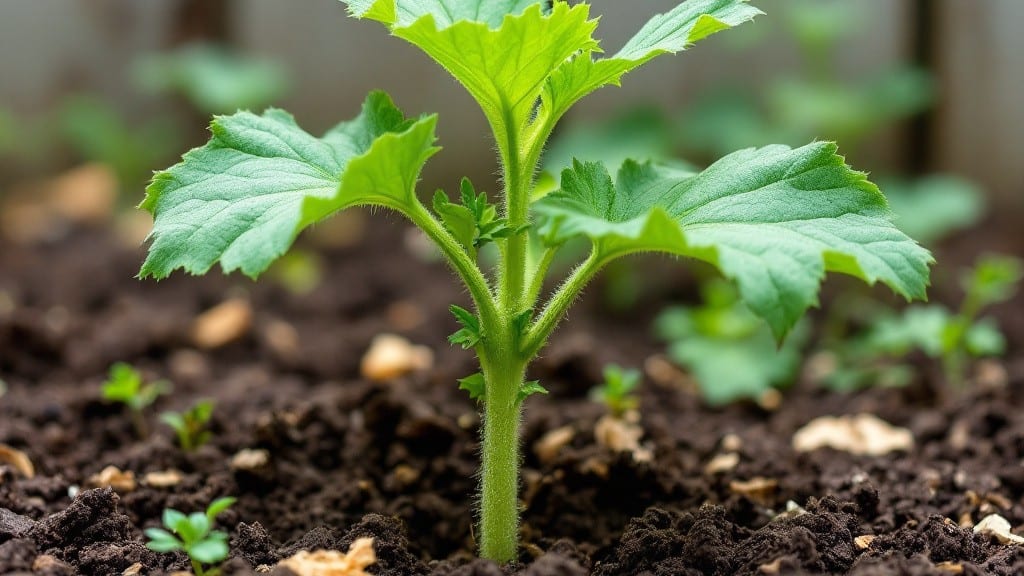
Pumpkin seedling leaves turning yellow or spotted? I’ve seen those sad little plants go from vibrant green to sad and ragged before—usually because of pests hiding in plain sight.
The good news is that most problems have simple organic fixes, and I’ll show you exactly how to spot the culprits and stop them without harsh chemicals.
Start by checking the undersides of leaves for tiny bugs like aphids or squash bugs, which suck the life out of seedlings. Yellowing often means overwatering or fungal issues, while holes usually mean caterpillars or beetles.
A quick spray of neem oil or insecticidal soap can save your plants within days—just test a small area first to avoid burning tender leaves.
📚 In This Guide
- What you need
- Instructions
- Tips and common mistakes
- Wrapping up and next steps
What you need
- ● Pumpkin seeds: Choose organic, non-GMO seeds (e.g., Cucurbita pepo or Cucurbita moschata)—about 5–10 seeds per container.
- ● Seed-starting containers: Small pots (3–4 inches deep) or biodegradable peat pellets—1–2 per seedling.
- ● Potting mix: Well-draining, seed-starting mix (1–2 gallons) with added perlite or vermiculite (20% volume).
- ● Watering can or spray bottle: With a fine mist nozzle for gentle hydration.
- ● Grow lights or sunny windowsill: 12–16 hours of light daily (LED grow lights work best).
- ● Fertilizer: Organic, balanced fertilizer (e.g., fish emulsion or compost tea) for seedlings.
- ○ Pest monitoring tools: Magnifying glass (optional but helpful) to inspect leaves for early signs of pests.
- ● Humidity dome or plastic wrap to retain moisture.
- ● Thermometer to monitor soil temperature (ideal: 70–90°F).
- ● Compost or worm castings for extra nutrients.
- ● Neem oil or insecticidal soap (for emergency pest treatment).
Instructions for using pumpkin seedling leaves as organic pest control
Here’s how to turn those scraps into a natural, effective defense against garden pests.
Harvest and Prepare the Leaves
Start by selecting healthy, mature pumpkin seedling leaves—avoid any that look yellowed or spotted, as these may harbor disease. I like to pick them in the early morning when the leaves are still crisp and full of moisture. Use clean, sharp scissors or pruners to cut stems at a 45-degree angle just above a leaf node. This encourages new growth while giving you plenty of material for pest control.
Once you’ve gathered a handful, rinse the leaves under cool water to remove any dirt or debris. Pat them dry gently with a clean towel or let them air-dry completely. The drier they are, the easier they’ll be to crush or blend later. Store them in a paper bag or open container until you’re ready to use them—don’t seal them tightly, as moisture can cause mold.
Crush or Blend the Leaves
Place the dried leaves in a clean blender or food processor. Pulse them into a coarse powder—you don’t need a fine dust, just a rough consistency. If you don’t have a blender, you can crush the leaves by hand with a mortar and pestle or even roll them under a heavy book for a few minutes. The goal is to break down the leaves enough so their natural compounds are released when mixed with water.
Here’s where it gets interesting: the crushed leaves contain cucurbitacins, a natural compound that repels pests like squash bugs, cucumber beetles, and even some aphids. The stronger the scent, the more effective the deterrent. If you’re dealing with a severe infestation, you can use the leaves fresh (uncrushed) for a more potent aroma, but crushing them makes them easier to apply.
Create a Leaf Spray or Mulch
For a spray, mix the crushed leaves with water in a ratio of 1 part leaves to 3 parts water. Stir well and let the mixture steep for at least 24 hours in a sealed container. Strain out any remaining leaf particles, then transfer the liquid to a spray bottle. This spray can be applied directly to plant leaves, especially the undersides where pests like to hide. Reapply every 3-5 days or after rain, as the scent fades over time.
Alternatively, you can use the crushed leaves as a mulch. Sprinkle a thin layer around the base of your plants, especially near the soil where pests like to lay eggs. The scent confuses them and deters them from settling in. This method is low-maintenance and works well for long-term pest prevention. Just avoid piling the leaves too thickly, as they can smother young seedlings.
Apply and Monitor for Results
Apply the leaf spray in the early morning or late evening when temperatures are cooler. This reduces the risk of burning plants and allows the spray to settle before the heat of the day. Focus on the areas where pests are most active, such as the undersides of leaves and the stems. You’ll know it’s working when you notice fewer pests within a week or two—the strong scent masks the plants’ natural fragrance, making them less appealing to insects.
Monitor your plants closely after application. If you see pests returning, reapply the spray or refresh the mulch. The key is consistency. Pumpkin seedling leaves aren’t a one-time fix, but with regular use, they become a powerful, chemical-free tool in your pest control arsenal. Plus, you’re reducing waste by repurposing what would otherwise be garden scraps.
Rotate with Other Organic Methods
While pumpkin seedling leaves are effective, they work best as part of a layered defense. Combine them with other organic pest control methods, like neem oil sprays or companion planting with herbs like basil or marigold. For example, I often use the leaf spray on my squash plants in the morning and follow up with a neem oil treatment in the evening for added protection.
Rotate your methods seasonally to prevent pests from adapting. In early spring, focus on preventive measures like mulching with crushed leaves. In peak growing season, switch to sprays and hand-picking pests. This keeps your garden resilient and reduces the likelihood of infestations. Over time, you’ll find the right balance that works for your specific pests and plants.
Tips & tricks for perfect organic pest control with pumpkin seedling leaves
Here's what I learned after using pumpkin seedling leaves for pest control in my garden—these tricks make all the difference.
Harvesting Tip: Always harvest leaves in the early morning when they're at their freshest. The morning dew helps keep the leaves hydrated, making them easier to crush later. I also avoid cutting leaves that have visible damage or signs of disease—those won't be effective and could potentially harm your plants. Remember, you want healthy leaves packed with those cucurbitacin compounds that repel pests.
Crushing Technique: For maximum effectiveness, aim for a coarse powder rather than a fine dust. The rough texture helps release more of those natural pest-repelling compounds when mixed with water. If you don't have a blender, try crushing the leaves with a rolling pin on a cutting board or even by stomping them in a sturdy plastic bag. Just make sure to wear gloves—those crushed leaves can be quite potent!
Steeping Strategy: The 24-hour steeping time is crucial for developing the full strength of your leaf spray. Place your container of mixed leaves and water somewhere dark and cool—like a pantry or closet—to prevent algae growth. I like to give it a gentle stir every 12 hours to help extract more of those beneficial compounds. This extra effort makes a noticeable difference in how well the spray works against pests.
Application Timing: When applying your leaf spray, focus on the undersides of leaves where many pests like to hide. Early morning or late evening applications work best because the cooler temperatures help the spray settle properly without evaporating too quickly. I've found that applying this treatment right before a rain shower actually helps the spray spread more evenly across your plants.
Pro Tips for Pumpkin Seedling Leaves
- Here's what I learned after using pumpkin seedling leaves for pest control in my garden—these tricks make all the difference.
- Harvesting Tip: Always harvest leaves in the early morning when they're at their freshest.
- Crushing Technique: For maximum effectiveness, aim for a coarse powder rather than a fine dust.
Frequently asked questions
How long do pumpkin seedling leaves need to grow before they’re effective against pests?
Pumpkin seedling leaves typically develop enough scent and repellent properties after 4–6 weeks of growth. For best results, let them mature fully (about 6–8 inches tall) before planting near vulnerable crops like tomatoes or squash. The longer they grow, the stronger their pest-deterring compounds become!
What pests do pumpkin seedling leaves actually repel?
These leaves are especially effective against aphids, cucumber beetles, squash bugs, and even some types of mites. Their strong aroma masks the scent of your plants, confusing pests. While they won’t eliminate everything (like deer or rabbits), they’re a fantastic first line of defense for garden bed pests!
How often should I replace or refresh pumpkin seedling leaves?
Replace them every 2–4 weeks or when they start to yellow or wilt. Fresh leaves release the most potent repellent oils. If you’re using them as mulch, simply swap out a few leaves at a time to maintain their effectiveness without full replacement.
Can I use pumpkin seedling leaves instead of planting whole pumpkin plants?
Yes! You don’t need full pumpkin plants—just a few leaves or small seedlings placed near your crops work. For compact gardens, try growing them in containers and tucking them into flower beds or along fence lines. This saves space while still keeping pests away!
What if my pumpkin seedling leaves aren’t working? Troubleshooting tips?
If pests ignore them, check these fixes:
- Age: Are the leaves fully mature? Younger leaves are less effective.
- Placement: Ensure they’re near (not buried under) your plants for maximum scent dispersion.
- Companion plants: Pair them with basil, marigolds, or garlic for a stronger pest-blocking combo.
- Freshness: Wilted or dried leaves lose potency—replace them promptly.
Wrapping up and next steps
Growing pumpkin seedling leaves as a natural pest deterrent is a game-changer for gardeners looking to avoid harsh chemicals! 🌱 These vibrant seedlings not only boost your garden’s health but also act as a powerful, eco-friendly shield against pests like aphids, squash bugs, and even deer.
With just a few simple steps—planting, nurturing, and strategically placing them—you’re well on your way to a thriving, pest-resistant garden.
Ready to take the next step? Experiment with different varieties or combine pumpkin seedlings with other companion plants like marigolds or basil for even stronger pest protection. Happy gardening—your green space (and your veggies!) will thank you! 🌿✨