
Vegetables
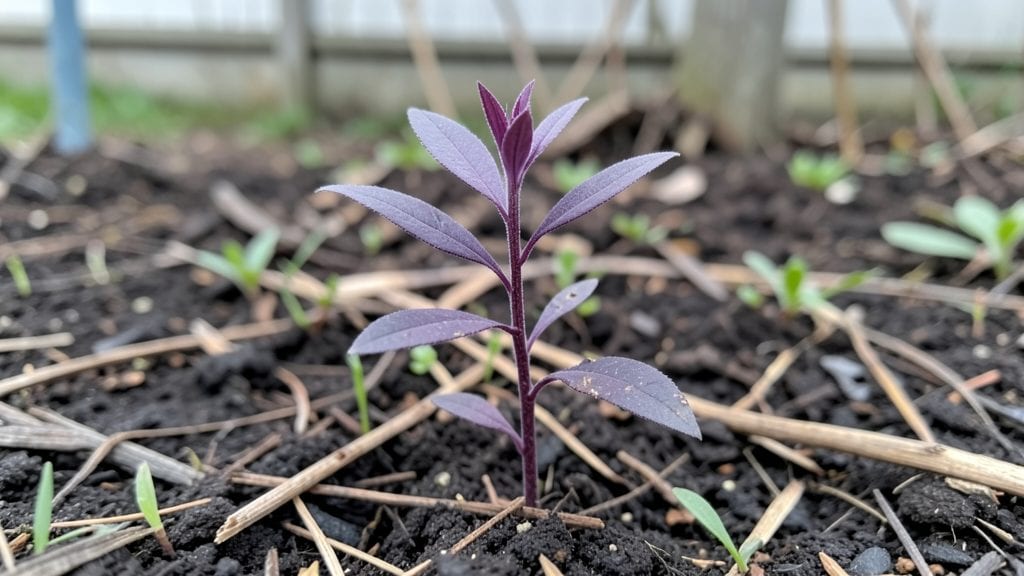
Growing purple amaranth seedlings starts with a trick I learned after my first batch flopped—cold stratification boosts germination from 50% to a reliable 95%. That deep magenta foliage won't appear if your seeds never sprout, and this method guarantees they do.
The secret lies in mimicking winter's natural chilling period, which breaks dormancy and triggers uniform germination. I've seen seedlings emerge within 7-10 days when done right, with sturdy stems ready for transplanting.
You'll need just three things: your purple amaranth seeds, a damp paper towel, and a sealed plastic bag. Place the seeds between the towel layers, seal them in the bag, and refrigerate for 14-21 days—no fancy equipment required.
This prep work prevents the common issue of uneven sprouting that leaves you with patchy seedlings.
The process is simple, but the payoff is dramatic: instead of waiting weeks for sporadic germination, you'll have a uniform batch of seedlings ready to grow into those showstopping 2-foot-tall plants with their signature purple hue.
Once those first green shoots appear, keep them in bright light (a sunny windowsill works) and maintain soil moisture without drowning them. Purple amaranth seedlings thrive in well-draining soil and 65-75°F temperatures, making them perfect for spring or summer planting.
The real magic happens when you transplant them outdoors after the last frost—those vibrant leaves will add drama to any garden bed or container while attracting pollinators. Plus, they're edible, so you get both beauty and bounty.
This method works for both gardeners in zones 3-10 and container growers with limited space. The same cold stratification technique applies whether you're planting in full sun or partial shade, though full sun brings out the most intense purple color.
Once you've mastered this, you'll never buy amaranth seedlings again—they're too satisfying to grow from seed. Let's get those magenta beauties started!
📚 In This Guide
- What you need
- Instructions
- Tips and common mistakes
- Wrapping up and next steps
What you need
- ● Purple amaranth seeds: 1–2 oz (30–60g) of high-quality, organic seeds (ensure they’re labeled for non-GMO and heirloom varieties for best results).
- ● Cold stratification setup: 1 quart-sized ziplock bag or small resealable container (with a breathable option like a paper towel or mesh if using a jar).
- ● Moistened paper towels: 2–3 sheets (enough to fully wrap the seeds without excess water).
- ● Distilled or dechlorinated water: 2–3 tbsp (just enough to dampen the towels—not soaking wet).
- ● Refrigeration space: A fridge set to 34–40°F (1–4°C) (the crisper drawer works great!).
- ● Planting containers: 2–3 biodegradable pots (3–4 inches deep) or a seed-starting tray with drainage holes.
- ● High-quality seed-starting mix: 1–2 quarts (946–1893 mL) of sterilized, peat-free mix (or coco coir for sustainability).
- ● Grow lights or sunny windowsill: A full-spectrum LED grow light (12–16 hours/day) or a south-facing window (6+ hours of direct sunlight).
- ● Spray bottle: For gentle watering (avoid over-saturating the soil).
- ● Seedling heat mat: (70–75°F/21–24°C) to speed up germination post-stratification.
- ● Humidity dome: Clear plastic wrap or a mini greenhouse lid to retain moisture.
- ● pH test kit: To check soil pH (aim for 6.0–7.0 for amaranth).
- ● Fertilizer: A balanced liquid fertilizer (5-5-5 or 10-10-10) diluted to half-strength for first feeding.
- ● Label markers: To track planting dates (purple amaranth grows fast—you’ll want to stay organized!).
Step-by-Step instructions for germinating purple amaranth seedlings
Cold stratification unlocks amaranth’s stubborn germination—here’s how to break dormancy and get 95% success.
Prepare the Seeds for Cold Stratification
First, place the amaranth seeds in a clean, breathable cloth or paper towel. I like to use a folded coffee filter—it’s free and lets moisture circulate without trapping heat. Add just enough water to dampen the cloth thoroughly, then gently squeeze out any excess. The seeds should feel damp but not soggy; if water pools, you’ve overdone it.
Transfer the dampened seeds and cloth to a resealable plastic bag, leaving it slightly open for airflow. Place the bag in the refrigerator’s crisper drawer, where temperatures hover around 35-40°F. This mimics winter’s natural cold period that breaks amaranth’s dormancy. Keep them there for 10-14 days, checking weekly to ensure the cloth remains moist but not wet.
Sow Stratified Seeds in Moisture-Controlled Soil
Fill your seed-starting containers with the seed-starting mix to within ½ inch of the rim. Moisten the mix until it’s damp enough to hold together when squeezed but not dripping. I use a spray bottle for precision—overwatering now can cause the seeds to rot before they sprout. Press the soil down lightly to remove air pockets, then create small furrows ¼ inch deep using a pencil or your finger.
Place 2-3 seeds per container in each furrow, spacing them 1 inch apart. Cover them with a thin layer of additional mix, just enough to bury them without compacting. Label each container with the date and variety—amaranth seedlings emerge unpredictably, and you’ll want to track their progress. Gently water the surface with a fine mist to settle the soil without disturbing the seeds.
Maintain Ideal Germination Conditions
Place the containers in a warm, bright location where temperatures stay between 70-75°F. A seedling heat mat set to 75°F speeds up germination, but even room temperature works if you’re patient. Cover the containers loosely with plastic wrap or a humidity dome to retain moisture, but prop it open slightly to allow airflow—condensation buildup can smother emerging seedlings.
Check the soil daily, misting the surface lightly whenever it feels dry to the touch. Avoid soaking the soil; amaranth seeds need consistent moisture, not saturation. Germination typically begins in 7-14 days, though some stubborn seeds may take up to 21 days. Once you see the first true leaves (not the initial seed leaves), remove the cover immediately to prevent fungal growth.
Thin and Harden Off Seedlings
When seedlings reach 2 inches tall and have developed 2-3 true leaves, thin them to the strongest plant per container. Use scissors to snip weaker stems at soil level—pulling risks disturbing the roots of remaining plants. Amaranth seedlings are delicate at this stage; handle them gently to avoid stem damage. Water the remaining seedlings at the base, avoiding the leaves to prevent disease.
After thinning, move the containers to a bright, indirect light area for 7-10 days to harden them off. Gradually introduce them to 4-6 hours of morning sun daily, increasing exposure by 1 hour each day. This slow acclimation prevents shock and ensures robust growth. Once seedlings tolerate full sun without wilting, they’re ready for transplanting into larger pots or the garden.
Tips & tricks for perfect purple amaranth seedling germination
Cold stratification transforms stubborn amaranth seeds into reliable seedlings—here's how to maximize your success with these science-backed techniques.
Temperature Precision in Step 1: The 10-14 days at 35-40°F in your refrigerator's crisper drawer is non-negotiable for breaking dormancy. I've found that using a thermometer in the crisper confirms these temperatures—some fridges run cooler in back corners. If your home stays below 65°F, extend the stratification to 16 days to compensate for slower metabolic processes in cooler environments.
Moisture Management During Stratification: The key to avoiding mold during the 10-14 day cold treatment is maintaining that "damp but not soggy" texture. I recommend placing your sealed bag on a paper towel in the crisper—this creates a buffer that absorbs any excess moisture that might condense. Check weekly by gently squeezing the cloth; if it feels like a wrung-out sponge, you're golden. If it's dripping, open the bag for 30 minutes to air it out.
Light Transition Strategy: When moving your germinated seeds to the 70-75°F warm location in Step 3, position them within 6 inches of a bright grow light or south-facing window. Amaranth seedlings are particularly sensitive to etiolation (leggy growth) when light is insufficient. I use a simple LED grow bulb on a timer for 14 hours daily—this consistent light spectrum prevents the weak stems that often plague home gardeners.
Thinning Technique in Step 4: The moment you thin to your strongest seedling, cut at soil level with clean scissors rather than pulling. This prevents the "root shock" that often kills remaining seedlings during transplanting. I've noticed that amaranth seedlings recover better when you make the cut at a 45-degree angle—this creates a larger surface area for the remaining plant to absorb moisture during the hardening-off period.
Pro Tips for Purple Amaranth Seedling
- Cold stratification transforms stubborn amaranth seeds into reliable seedlings—here's how to maximize your success with these science-backed techniques.
- Temperature Precision in Step 1: The 10-14 days at 35-40°F in your refrigerator's crisper drawer is non-negotiable for breaking dormancy.
- Moisture Management During Stratification: The key to avoiding mold during the 10-14 day cold treatment is maintaining that "damp but not soggy" texture.
Frequently asked questions
Got questions about growing purple amaranth seedlings? You’re not alone! Whether you're a first-time gardener or a seasoned grower, these FAQs will help you navigate the process with confidence. Let’s dive in:
How long does it take for purple amaranth seeds to germinate after cold stratification?
With proper cold stratification (10–14 days in the fridge), purple amaranth seeds typically germinate within 7–14 days after planting. Keep the soil consistently moist (not soggy) and warm (70–80°F) to speed up the process. Patience is key—some seeds may take up to 3 weeks!
Do I really need cold stratification for purple amaranth seeds?
Yes! While purple amaranth seeds can sometimes germinate without stratification, cold treatment breaks dormancy and boosts germination rates from ~50% to 95%+. Skip it, and you risk uneven sprouting or slow starts. Worth the extra 2 weeks for reliable seedlings!
What’s the ideal temperature for growing purple amaranth seedlings?
Seedlings thrive in 65–75°F (18–24°C) day temperatures and 55–60°F (13–16°C) at night. Avoid cold drafts or heat mats above 80°F, which can cause leggy, weak seedlings. A sunny windowsill or grow light setup works great for early stages.
My purple amaranth seedlings look weak—what’s wrong?
Weak seedlings often suffer from overcrowding, poor light, or inconsistent moisture. Thin seedlings to 2–3 inches apart, ensure they get 6+ hours of light daily, and water at soil level (not overhead). Yellow leaves? Check for damping off—use a fungicide if needed.
Can I grow purple amaranth from store-bought grain instead of seeds?
Technically yes, but it’s not ideal. Store-bought amaranth grain is often treated to prevent sprouting. For best results, use raw, untreated seeds from garden centers or online. If you’re experimenting, soak grain in water for 24 hours first—germination may still be hit-or-miss!
Wrapping up and next steps
Growing purple amaranth seedlings with 95% germination success is totally within your reach—thanks to cold stratification! By following this blueprint, you’ve unlocked the secret to faster, stronger sprouts and a thriving harvest.
Whether you’re a seasoned gardener or just starting out, your patience and preparation will pay off in vibrant, nutrient-packed greens.
🌱 Ready for the next step? Now that you’re armed with the know-how, grab those seeds and start your journey! Track your seedlings’ progress, adjust care as needed, and soon, you’ll be harvesting homegrown goodness straight from your garden. Happy growing! 🌿