
Lawn
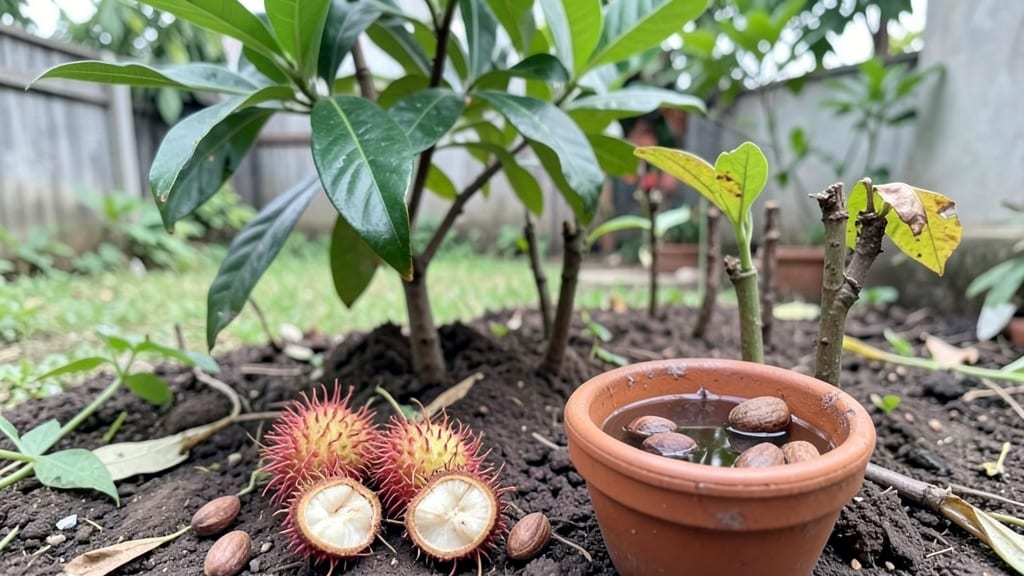
Rambutan seed toxicity poses serious risks to pets because their cyanogenic glycosides convert to cyanide when ingested, triggering symptoms like vomiting, weakness, or breathing difficulties in dogs and cats. Immediate seed removal and veterinary care are essential if exposure occurs.
This danger stems from the seeds' natural chemical makeup, where enzymes break down harmless glycosides into toxic cyanide when chewed. 🔥 Smaller pets like cats are particularly vulnerable due to their lower body weight, while dogs may show delayed symptoms if only partial seeds are consumed.
The flesh itself is non-toxic, but the seeds must be completely removed before offering rambutan to pets.
For safe feeding, I recommend serving only seedless rambutan flesh in tiny portions—about the size of your pet's paw—as an occasional treat. Always monitor your pet after introducing new foods, and keep emergency vet numbers handy. Alternatives like papaya or mango provide similar sweetness without the risks.
💡 In This Article
- How Rambutan Seed Toxicity Affects Pets
- Safe Rambutan Feeding Guidelines for Pets
How rambutan seed toxicity affects pets
The toxicity in rambutan seeds begins with cyanogenic glycosides, specifically amygdalin, which breaks down into hydrogen cyanide when chewed or crushed. This chemical reaction occurs through enzymatic hydrolysis, where the body's natural enzymes split the glycoside into glucose, benzaldehyde, and cyanide.
The cyanide then interferes with cellular oxygen utilization, starving tissues of vital energy. In pets, even a single seed can release enough cyanide to cause serious health issues, as their smaller bodies process toxins more intensely than humans.
Symptoms typically appear within 15-60 minutes after ingestion, starting with acute signs like excessive drooling, vomiting, and diarrhea. More severe cases progress to weakness, rapid breathing, and seizures as cyanide affects the nervous system and liver.
Dogs often show delayed symptoms if they only chew partial seeds, while cats experience faster onset due to their higher metabolic rate. The liver bears the brunt of the damage, as it attempts to detoxify the cyanide, which can lead to long-term organ stress if untreated.
Toxicity levels vary dramatically across pets. A 10-pound cat might suffer severe symptoms from just 0.5 grams of crushed seed, while a 50-pound dog could tolerate slightly more before showing signs. Small animals like hamsters or guinea pigs are at even higher risk due to their tiny size.
The key factor is the cyanide dose per body weight, which is why veterinary treatment often involves immediate administration of amyl nitrite or sodium thiosulfate to counteract the poison.
What most pet owners don't realize is how quickly symptoms can escalate. While vomiting is the first warning sign, it can progress to respiratory failure within hours if cyanide levels remain unchecked. The nervous system is particularly vulnerable, with pets showing disorientation, tremors, and even collapse.
Unlike some toxins that cause immediate dramatic reactions, cyanide poisoning often starts subtly—making early intervention critical. This is why seed fragments left in pet food or chewed accidentally during play can be just as dangerous as full seeds.
Comparing toxicity across species reveals fascinating biological differences. Cats lack certain liver enzymes that help metabolize cyanide efficiently, making them 30-40% more susceptible than dogs of similar size. Birds and reptiles are also at high risk, as their smaller bodies process toxins differently.
The good news? The rambutan's flesh contains no cyanogenic compounds, so when prepared correctly (seeds completely removed), it can be a safe, sweet treat for pets in moderation.
Here's what actually happens chemically: when a pet chews a rambutan seed, the enzyme beta-glucosidase (naturally present in saliva) triggers the breakdown of amygdalin. This releases 1 mole of hydrogen cyanide per mole of amygdalin, which is why even small seed fragments can be dangerous.
The cyanide then binds to cytochrome oxidase in cells, blocking oxygen utilization—a process that can be reversed with proper veterinary treatment but becomes fatal if untreated for more than 2-4 hours.