Pests and Diseases
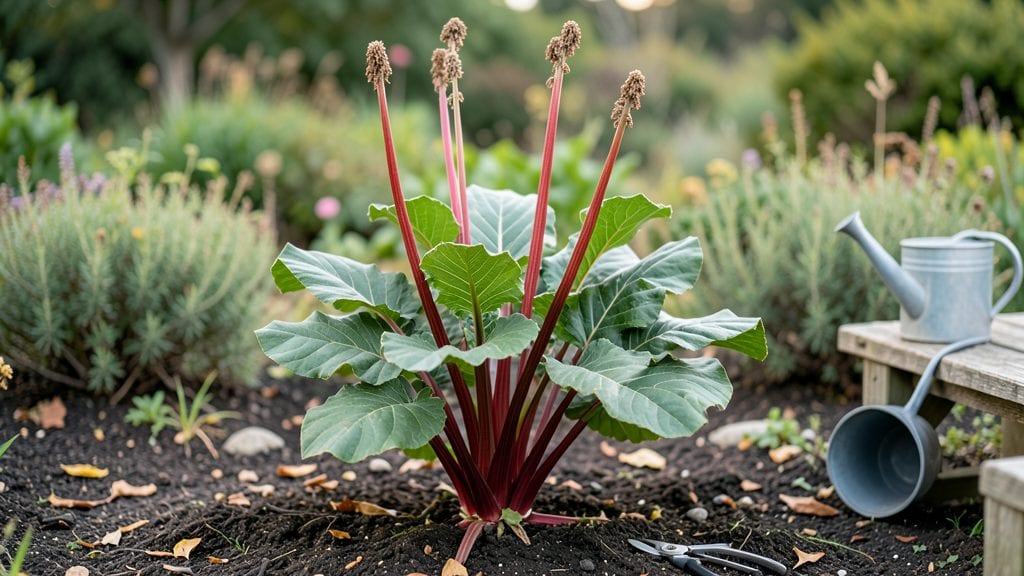
When rhubarb goes to seed, your once-tender stalks turn bitter and your harvest shrinks to almost nothing. 🌱 I’ve watched this happen three times—each time I swore I’d never let it ruin another season again.
The plant’s energy shifts from producing those sweet, crisp stalks to making seeds, leaving you with tough, stringy leaves and a garden full of disappointment.
The real kicker? Most gardeners don’t realize it’s happening until it’s too late. Bolting usually starts in late spring or early summer, triggered by stress—whether from heat, drought, or overcrowding. Once those flower stalks appear, your rhubarb’s focus changes, and the stalks you do get taste like overcooked celery.
But here’s the good news: with the right approach, you can either prevent it or work with it to keep your plants productive.
You’ll learn how to spot the early signs, what to do if you find a flower stalk sneaking up, and which rhubarb varieties actually play nice in hot climates.
By the end, you’ll have a plan to keep your stalks sweet, your harvests bountiful, and your rhubarb from staging a rebellion against your pie recipes. Let’s get those plants back on track.
The secret weapon? A little extra care in the first two years of growth—better soil, consistent watering, and shade cloth on scorching days. Even if your rhubarb has already bolted, we’ll show you how to turn those seedlings into new plants for next season. No wasted effort here.
When Rhubarb Turns Reproductive
If your once-vibrant rhubarb patch now sports woody stalks, bitter leaves, or odd seed-like structures, it’s likely bolting—a natural survival mechanism gone awry. While rhubarb is typically grown for its tender stalks, its biology can push it into seed production under stress.
Here’s why this happens, broken down by the root causes (and how to spot them early).
Rhubarb plants are perennials, meaning they live for years—but like all living things, they eventually age. After 5–10 years, the crown (the thick, underground base) weakens, and the plant shifts energy from leaf and stalk growth to reproduction.
This triggers the formation of seed stalks, which look like tall, thin flower spikes.
- Signs: Woody, thick stalks; reduced tenderness in new growth; fewer harvestable stalks.
- Science behind it: The plant’s meristem (growth cells) prioritizes seed production over vegetative growth as a survival strategy. Hormones like ethylene and abscisic acid signal the shift.
- Actionable fix:
- Divide the crown every 3–4 years to rejuvenate the plant.
- Replace old patches (after 10 years) with fresh seedlings.
Rhubarb thrives in USDA Zones 3–9, but freeze-thaw cycles or heatwaves can disrupt its growth patterns. Cold snaps damage the crown, while sudden heat (especially above 90°F/32°C) forces the plant into a "panic mode," accelerating bolting.
- Signs: Stunted growth after winter; early emergence of seed stalks in spring; leaf curling or yellowing.
- Science behind it: Temperature fluctuations trigger stress hormones (like salicylic acid) that prompt flowering. The plant essentially thinks it’s in a harsh environment and needs to reproduce quickly.
- Actionable fix:
- Mulch heavily in winter with straw or wood chips to insulate roots.
- Provide shade cloth during summer heatwaves to keep temps below 85°F (29°C).
- Avoid planting in low-lying areas where cold air pools.
Rhubarb is drought-tolerant but not drought-proof. Too little water or poor soil nutrition forces the plant to conserve energy, often by producing seeds instead of stalks. Conversely, overwatering can suffocate roots, leading to stress signals that trigger bolting.
| Issue | Signs | Science Behind It | Fix It |
|---|---|---|---|
| Underwatering | Wilting leaves, crispy edges, stalks becoming tough and fibrous. | Root stress increases abscisic acid, a hormone that halts growth and promotes seed formation. | Water deeply 1–2 inches per week (more in containers). Use drip irrigation for consistency. |
| Overwatering | Yellowing leaves, mushy stalks, foul odor from the soil. | Oxygen deprivation in roots triggers hypoxia stress, forcing the plant to prioritize reproduction over stalk growth. | Ensure well-draining soil (amend with compost or perlite). Avoid soggy conditions. |
| Nutrient Deficiency | Pale leaves (nitrogen), purple stems (phosphorus), or weak stalks (potassium). | Malnutrition reduces photosynthesis efficiency, so the plant redirects energy to seed production for genetic survival. | Fertilize in early spring with a balanced 10-10-10 or organic compost. Avoid high-nitrogen fertilizers late in the season. |
When pests like crown borers, rhubarb curculio weevils, or diseases such as rhubarb rot attack, the plant diverts energy to repair damage—often at the expense of stalk production. Even fungal infections (like leaf spot) can weaken the plant enough to trigger bolting.
- Signs:
- Holes in leaves or stalks (pests).
- Blackened, mushy crown (rot).
- Yellow or brown spots on leaves (fungal diseases).
- Science behind it: Physical damage or pathogen invasion increases systemic stress responses, including the production of ethylene, which accelerates flowering.
- Actionable fix:
- Remove infected or infested plants immediately to prevent spread.
- Apply neem oil or insecticidal soap for pests; use copper fungicide for diseases.
- Rotate crops annually to break pest/disease cycles.
Rhubarb needs full sun (6–8 hours daily) to produce tender stalks. Shade—whether from nearby trees, structures, or even dense foliage—starves the plant of energy, prompting it to bolt as a last-ditch effort to reproduce.
- Signs: Leggy, weak stalks; small, pale leaves; seed stalks appearing early.
- Science behind it: Reduced photosynthesis lowers sugar production in leaves, so the plant shifts to seed production for energy efficiency.
- Actionable fix:
- Prune nearby trees or shrubs to increase sunlight exposure.
- Move container-grown rhubarb to a sunnier spot.
- Thin out crowded plants to reduce competition for light.
💡 Pro Tip: If your rhubarb bolts, don’t despair! You can still harvest the seed stalks (they’re edible when cooked) or propagate new plants from the seeds. Just remove the old, woody crown to prevent further issues.
Reviving Rhubarb When It Goes Wild
When your rhubarb plants start producing seeds instead of the tender stalks you love, it’s a sign they’re shifting into survival mode—often due to stress, age, or poor care. The good news? You can reset, regrow, and reclaim your patch with the right steps.
Below, we’ll tackle the most common causes of seed production and provide practical, step-by-step fixes to bring your rhubarb back to its prime.
Cause: Rhubarb plants naturally go to seed after 5–7 years as they age out. Older crowns produce fewer stalks and more seed stalks (those tall, flower-like stems).
Fix:
- 🔪 Dig Up the Old Crown
- Use a fork or spade to carefully lift the entire root system. Shake off excess soil to inspect for rot or pests.
- Pro Tip: If the crown is woody or shriveled, it’s past its prime—replace it entirely.
- 🌿 Divide the Crown (If Healthy)
- Cut the crown into 3–4 inch sections, ensuring each piece has at least one healthy bud (the "eyes" where stalks emerge).
- Replant the divisions immediately in fresh soil, spacing them 2–3 feet apart.
- ⏰ Plant New Crowns for Faster Results
- If your rhubarb is very old, skip division and buy young, disease-free crowns from a nursery. They’ll produce stalks in 1–2 years vs. waiting for divisions to mature.
Prevention: ✨ Replace every 5–7 years—set a reminder to avoid the "seed stalks surprise." 🌡️ Harvest lightly in Year 1 to encourage root growth before heavy stalk production.
Cause: Rhubarb hates intense heat or dry spells, which trigger seed production as a survival tactic. Seed stalks often appear in late summer when stress peaks.
Fix:
- 💦 Water Deeply and Consistently
- Rhubarb needs 1–1.5 inches of water per week (more in extreme heat).
- Soak the soil (not just the leaves) to encourage deep root growth. Use a drip irrigation system or water early in the morning to reduce evaporation.
- 🌿 Provide Afternoon Shade
- If your climate hits 90°F+, shield plants with light shade cloth (30–50%) or plant near taller crops (like corn or sunflowers) to block harsh afternoon sun.
- 🍂 Mulch Like a Pro
- Apply 3–4 inches of organic mulch (straw, wood chips, or compost) to retain moisture and cool roots.
- Avoid fresh grass clippings—they mat down and trap heat.
Prevention: 💡 Plant in partial shade (especially in hot zones) or choose early-maturing varieties (like ‘Victoria’ or ‘Strawberry’) that bolt less. 🌡️ Monitor soil moisture—stick your finger 2 inches deep; if it’s dry, water immediately.
Cause: Heavy infestations (like Japanese beetles, crown borers, or fungal diseases) weaken rhubarb, prompting it to focus on seed production over stalks.
Fix:
- 🛡️ Treat Pests Immediately
- Japanese beetles: Handpick in the morning or use neem oil spray (reapply every 5–7 days).
- Crown borers: Pull affected leaves, soak roots in a 1:10 bleach-water solution for 10 minutes, then replant in fresh soil.
- Aphids/mites: Blast off with a strong water spray or use insecticidal soap.
- 🌿 Boost Plant Immunity
- Fertilize lightly with balanced 10-10-10 in early spring to support recovery.
- Remove all seed stalks as they appear—they drain energy from the plant.
- 🏥 Quarantine and Rotate
- If fungal diseases (like rhubarb leaf spot) are present, remove all infected leaves and rotate crops next year (don’t plant rhubarb in the same spot for 3+ years).
Prevention: ✨ Inspect plants weekly—catch pests early before they trigger seed production. 🎯 Plant companion crops like garlic or chives to repel pests naturally.
Cause: Poor soil or lack of key nutrients (especially potassium or phosphorus) can cause rhubarb to prioritize seed stalks over edible ones.
Fix:
- 📊 Test Your Soil
- Use a DIY soil test kit (available at garden centers) to check pH (6.0–6.8 is ideal) and nutrient levels.
- If deficient, amend with:
- Potassium: Wood ash or greensand.
- Phosphorus: Bone meal or compost.
- 🍽️ Fertilize Strategically
- Spring: Apply compost or well-rotted manure around the base (not touching the crown).
- Early summer: Top-dress with potassium-rich fertilizer (like 0-0-50) to encourage stalk growth.
- 🌱 Rotate or Refresh Soil
- If soil is compacted or depleted, dig in 2–3 inches of compost and sand to improve drainage.
Prevention: 💡 Add compost annually—rhubarb is a heavy feeder but hates "hot" fertilizers (like fresh manure). 🌡️ Avoid over-fertilizing with nitrogen—it promotes leafy growth but delays stalk production.
Cause: If you have multiple rhubarb varieties, their flowers can cross-pollinate, leading to unexpected seed stalks (even in young plants).
Fix:
- 🌸 Remove Flower Stems Early
- Snip seed stalks at the base as soon as they appear (they won’t regrow).
- Warning: If you want seeds for propagation, bag flowers before pollination and hand-pollinate with a paintbrush.
- 🌿 Isolate Varieties
- If growing multiple types, space them 10+ feet apart or plant them in separate beds.
- 🌱 Start Fresh with Tissue-Cultured Plants
- Buy certified disease-free crowns from reputable nurseries to avoid hidden cross-contamination.
Prevention: 🎯 Label your plants to track varieties and avoid accidental mixing. ✨ Harvest seed stalks for tea or jelly—don’t let them go to waste!
Final Note: Once you’ve addressed the root cause (pun intended), your rhubarb should bounce back within a season. For stubborn cases, replanting is the fastest fix—but with these tips, you’ll keep your patch productive for years! 🌿💚
Frequently asked questions
Why does my rhubarb suddenly develop tall flower stalks?
Those flower stalks signal your rhubarb is bolting—a natural response to stress like heatwaves, drought, or aging crowns. The plant redirects energy from stalk production to seed-making when it senses survival threats. Check for woody stalks or reduced leaf growth—these are classic signs of bolting in progress.
Can I still eat rhubarb that's gone to seed?
Yes, but with caution! The stalks remain edible (just less tender), while the seed stalks and flowers are safe to eat when cooked (they have a mild, slightly bitter taste). Avoid raw seed stalks—they can be fibrous. Try them in pies, jams, or stews where texture matters less.
How do I stop my rhubarb from bolting next year?
Focus on consistent moisture, afternoon shade in hot climates, and proper nutrition. Water deeply 1–2 inches per week, mulch heavily, and fertilize with balanced 10-10-10 in spring. For older plants, divide the crown every 3–4 years to rejuvenate growth—this prevents the energy shift to seed production.
What's the best way to propagate from seed stalks?
Let the seed stalks mature, then collect the seeds when they're dry and brown. Plant them ¼ inch deep in well-draining soil, keeping them moist until germination (2–3 weeks). Seedlings take 2–3 years to mature, but they'll be disease-free if grown from your own plants.
Will removing flower stalks save my rhubarb harvest?
Snip them at the base as soon as they appear—they won't regrow. This preserves the plant's energy for stalk production. For stubborn bolters, combine removal with shade cloth and consistent watering. Most gardeners see improved harvests within 4–6 weeks of aggressive stalk removal.