
Lawn
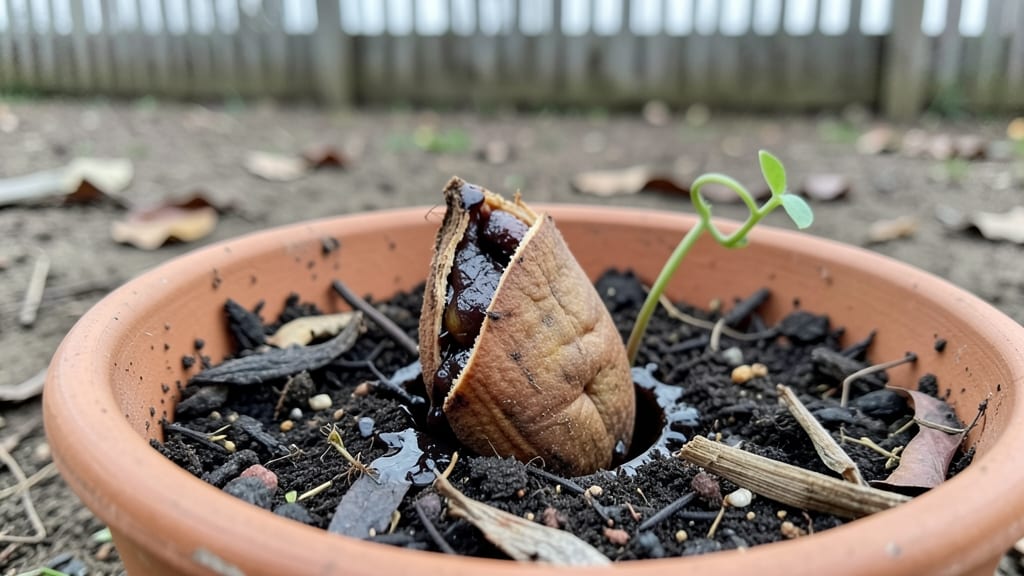
That rotten mango seed smell is the first sign something’s gone wrong with your privacy screen project. 🌱 I’ve salvaged more failed mango seed starts than I’d like to admit, and the key to success starts with understanding why seeds rot in the first place—whether it’s too much moisture, fungal infections, or improper storage.
Most rot happens when seeds stay damp too long after planting or aren’t dried properly before storage. A quick fix is discarding any seeds with mold or a sour smell, then treating healthy ones with a mild fungicide spray before planting.
Adjusting your watering schedule—keeping soil moist but not soggy—can prevent future rot.
With the right approach, you’ll see strong seedlings within 2-3 weeks instead of a pile of mush. The payoff? A 10-foot-tall privacy screen in just 3 years, all from seeds you saved from grocery store mangoes. Let’s get those seeds growing right.
Works in containers or directly in the ground, whether you’re in a warm climate or need to start indoors. Here’s how to turn those rotten seeds into a lush, living fence—without the stink.
Why it happens
When your mango seed starts rotting before it even gets a chance to sprout, it’s usually the result of a few sneaky but avoidable factors. Understanding these causes is key to transforming that seed into a thriving, year-round privacy screen.
Let’s break down the real reasons your seed might be going bad—and how to fix them.
🌱 Poor Seed Selection or Maturity
A seed’s journey to becoming a tree starts long before you plant it. If the mango fruit you’re using is underripe or overripe, its seed is more likely to spoil. Underripe seeds lack the energy reserves needed for germination, while overripe seeds may already be fermenting inside the fruit.
Even if the fruit looks perfect, check for these signs of a healthy seed:
- Firmness: The seed should feel solid, not mushy or hollow when gently squeezed.
- Color: A fresh seed has a creamy-white or light tan hue. Dark spots or mold indicate decay.
- Smell: A sour or fermented odor means the seed is already compromised.
Pro Tip: 💡 Always choose mangoes that are slightly firm but give slightly when pressed—like a ripe avocado. Avoid seeds from bruised or cracked fruits, as they’re more prone to fungal invasion.
💧 Excessive Moisture or Improper Storage
Mango seeds are not like beans or grains—they despise sitting in damp conditions. If stored in a humid environment (like a sealed plastic bag or a damp drawer), the seed’s outer layers absorb moisture, creating the perfect breeding ground for fungi and bacteria.
Even worse, if the seed is planted too soon after harvest, residual moisture from the fruit can trigger premature rotting.
Here’s how moisture sabotages your seed:
- Fungal Growth: Fungi like Aspergillus thrive in moist conditions, causing the seed to turn black or develop a fuzzy coating.
- Bacterial Soft Rot: Bacteria like Erwinia break down the seed’s cell walls, turning it mushy within days.
- Anaerobic Conditions: If stored in airtight containers, lack of oxygen speeds up fermentation, producing alcohol and acids that kill the seed.
Fix It: 🌡️ Let seeds dry for 3–5 days in a warm, shaded area (like a paper towel-lined tray) before storing. Use a breathable cloth bag or a container with ventilation holes. For short-term storage (up to 2 weeks), refrigerate in a paper towel to slow moisture absorption.
🐛 Pest or Microbial Attacks
Seeds don’t just rot from neglect—they’re often invaded by tiny but destructive hitchhikers. Pests like fruit flies, weevils, and mold spores can latch onto a seed while it’s still in the fruit or during storage.
Even a single egg laid by a pest can hatch into larvae that devour the seed from the inside out.
Watch for these red flags:
| Sign | Cause | Action |
|---|---|---|
| Small holes or tunnels in the seed coat | Weevil larvae or beetles | Discard the seed; treat storage areas with diatomaceous earth |
| White, cottony fungal growth | Mold spores (e.g., Rhizopus) | Sanitize with hydrogen peroxide (3%) before planting |
| Fruit flies near stored seeds | Larvae feeding on fermenting fruit residue | Use fly traps or store seeds in sealed containers with bay leaves |
Prevention Tip: ✨ Before storing seeds, wipe them with a 70% isopropyl alcohol solution to kill surface microbes. For extra protection, dust seeds lightly with food-grade diatomaceous earth before sealing in a container.
🌡️ Extreme Temperature Fluctuations
Mango seeds are tropical—they hate cold snaps and scorching heat. If exposed to temperatures below 50°F (10°C) or above 90°F (32°C) for extended periods, their cellular structure breaks down.
Cold temperatures slow metabolism and can cause chilling injury, while heat accelerates respiration, depleting the seed’s energy reserves faster than it can regenerate.
Here’s how to spot temperature-related damage:
- Discoloration: Brown or gray patches on the seed coat.
- Shriveling: The seed feels leathery or cracks open prematurely.
- Off Odors: A sour or chemical-like smell indicates protein breakdown.
Storage Hack: 🏷️ Label seeds with their harvest date and store them in a cool, dry place (60–70°F / 15–21°C), like a pantry or seed vault. Avoid basements, attics, or garages where temps swing wildly. For long-term storage (over 6 months), consider a seed refrigerator or a clay pot buried in sand—traditional methods used in tropical regions.
Quick fixes for overgrown privacy screens
If your rotten mango seed has sprouted into an unruly thicket instead of a neat privacy screen, don’t panic—there are practical ways to tame it!
Whether your plants are growing too fast, spreading uncontrollably, or looking patchy, these solutions will help you regain control without sacrificing the natural beauty of your mango hedge. Below, we’ve mapped out cause-specific fixes and prevention tips to keep your screen lush, healthy, and manageable year-round.
If your mango seedlings are shooting up wild and unruly, strategic pruning is key. Overgrowth happens when seeds sprout too densely or when young plants aren’t pruned early.
How to Fix It:
- 🔪 Prune in Stages: Start by removing 1/3 of the new growth in early spring (just as buds swell). Use clean, sharp shears to avoid tearing branches.
- 🌿 Shape Gradually: Avoid cutting back more than 25% of the plant at once—this prevents shock. Focus on inner branches to improve airflow and sunlight penetration.
- 📏 Maintain Uniformity: Trim branches at a 45-degree angle just above a leaf node (where new growth emerges) to encourage bushier growth.
- 🌞 Post-Prune Care: Water deeply after trimming to help the plant recover. Apply a balanced fertilizer (like 10-10-10) to support regrowth.
💡 Pro Tip: If your mango hedge is too dense, thin out every other branch to reduce competition for nutrients. This also makes future pruning easier!
A sparse or uneven mango screen can happen if seeds didn’t sprout uniformly or if some plants struggled during establishment.
How to Fix It:
- 🌱 Fill Gaps with New Seeds: If you have bare patches, plant 2-3 fresh mango seeds in each gap. Keep them moist but not soggy until they sprout (usually 2-4 weeks).
- 💧 Boost Soil Health: Test your soil—mango trees thrive in well-draining, slightly acidic soil (pH 5.5-7.0). Amend with compost or organic matter if the soil is poor.
- ☀️ Provide Sunlight: Mango seedlings need 6+ hours of sunlight daily. If a patch is shaded, consider thinning nearby plants or transplanting to a sunnier spot.
- 🌿 Mulch for Moisture: Apply 2-3 inches of mulch (wood chips or straw) to retain moisture and suppress weeds, which compete for nutrients.
💡 Pro Tip: If transplanting, do it early in the growing season (spring or early fall) to minimize shock. Water the new seedlings daily for the first week to help them establish roots.
If your mango seedlings are yellowing, wilting, or covered in pests, they need immediate attention before the problem spreads.
How to Fix It:
- 🐜 Identify the Issue:
- Aphids/Scale Insects? Spray with neem oil or insecticidal soap.
- Fungal Spots? Remove infected leaves and treat with copper fungicide or baking soda spray (1 tsp baking soda + 1 quart water + a drop of dish soap).
- Root Rot? Improve drainage by raising beds or adding sand/perlite to heavy soil.
- 🌿 Strengthen Immunity: Feed plants with potassium-rich fertilizer (like banana peel tea or wood ash) to boost disease resistance.
- 🚫 Quarantine Affected Plants: Isolate sick seedlings until they recover to prevent spreading to healthy ones.
💡 Pro Tip: Prevention is easier than cure! Regularly inspect leaves for early signs of pests (sticky residue = aphids; holes = caterpillars). A weekly spray of diluted neem oil can keep pests at bay.
Once your mango privacy screen is thriving, consistent care will keep it looking its best with minimal effort.
How to Fix It (Ongoing):
- 📅 Prune Seasonally: Light trims in spring and summer encourage dense growth. Avoid heavy pruning in fall/winter when the plant is dormant.
- 💧 Water Deeply, Less Often: Mango trees hate soggy roots but need consistent moisture. Water deeply 2-3 times per week (adjust for rain).
- 🍃 Feed Twice a Year: Apply slow-release fertilizer in early spring (for new growth) and late summer (for winter hardiness).
- 🌿 Monitor for Weeds: Weeds steal nutrients—mulch regularly to keep them out.
💡 Pro Tip: If your mango hedge starts flowering or fruiting, you can prune lightly after harvest to redirect energy into foliage growth (unless you want fruit!).
By following these targeted fixes, your rotten mango seed privacy screen will transform from a wild thicket into a structured, lush barrier—without the hassle of constant cleanup. With a little patience and care, you’ll enjoy year-round privacy in just three years!
Frequently asked questions
Why does my mango seed smell rotten before planting?
That sour smell means fermentation or fungal growth has already started. Overripe mangoes or seeds stored in damp conditions (like plastic bags) trigger bacterial breakdown. Discard any seeds with mold, a mushy texture, or a fermented odor—they won’t sprout. Always select firm, creamy-white seeds from slightly ripe fruit.
Can I still use a seed that looks dry but smells slightly off?
Proceed with caution! A faint sour smell suggests early spoilage. Soak the seed in 3% hydrogen peroxide for 10 minutes to kill surface microbes, then rinse and dry thoroughly. If it’s firm and sinks (not floats), plant it immediately in well-draining soil. Monitor for mold during germination.
How do I know if my seed is too old to grow?
Mango seeds lose viability after 6–12 months of improper storage. Check for these signs: shriveled texture, dark discoloration, or a hard, hollow sound when tapped. Fresh seeds should feel dense and slightly moist inside. If yours shows any of these, try soaking it in warm water for 24 hours—if it swells slightly, germination is still possible.
What’s the fastest way to revive a slightly rotten seed?
Try the hydrogen peroxide dip method: Soak the seed in 3% H₂O₂ for 5–10 minutes, then rinse and dry in sunlight for 1 hour. Plant it in a sandy, well-draining mix (50% potting soil, 50% perlite) and keep soil moist but not soggy. Cover with a plastic dome to retain humidity—sprouts may appear in 10–14 days if the seed is salvageable.
Can I save seeds from store-bought mangoes?
Yes, but choose organic or pesticide-free mangoes to avoid chemical residues. Rinse the seed thoroughly, let it dry for 3–5 days, then store it in a breathable cloth bag in the fridge. Avoid plastic—condensation speeds up rot. For best results, plant within 2 weeks of harvest.