
Pruning
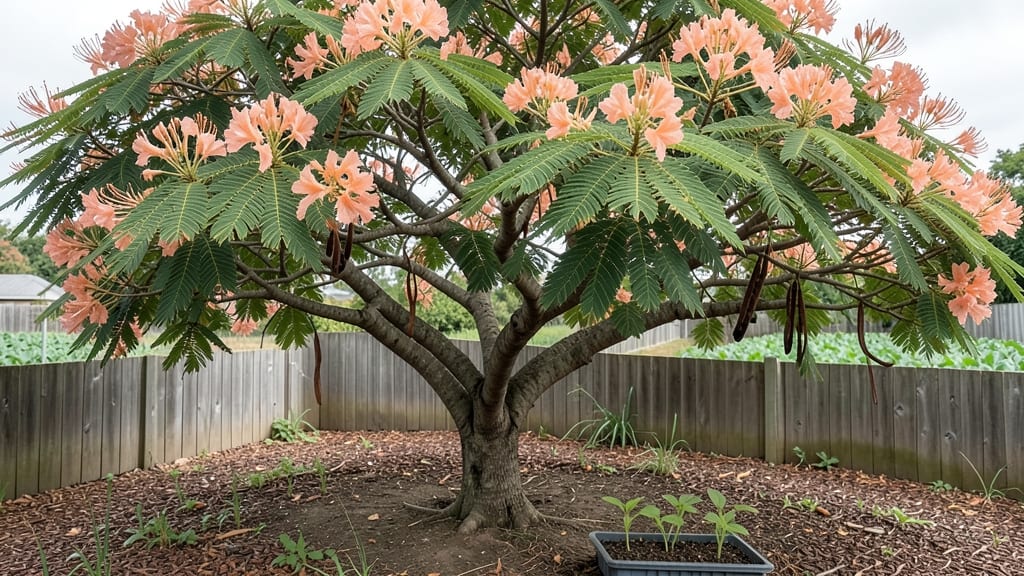
Growing royal poinciana tree seeds means waiting for fiery red blooms that turn your landscape into a tropical paradise—if you get past the tricky germination phase.
I’ve struggled with these seeds myself, but once I cracked the timing and moisture balance, I watched my first seedlings emerge within 4-6 weeks of consistent care. The payoff isn’t just the showstopping flowers—it’s the glossy, feathery foliage that thrives in heat and humidity.
The secret starts with sourcing fresh seeds and mimicking their native tropical conditions. You’ll need a warm spot (75-85°F), a humidity dome, and patience—these aren’t quick growers.
Most gardeners give up after two weeks, but sticking with it through the 3-5 year wait for blooms is what separates the casual planters from the proud tropical tree owners. My first seedling hit 12 inches in its second year, and that’s when the real magic began.
Once germinated, your royal poinciana will need full sun and well-draining soil to avoid root rot. The early years are about protecting young stems from frost and pests while letting them establish deep roots.
By year three, you’ll see the first hints of those iconic flower clusters—though full blooms take time. The tree’s drought tolerance once established makes it a low-maintenance star for warm climates.
Here’s where most growers trip up: rushing the process or skipping the humidity step. Royal poincianas reward those who treat them like the delicate tropicals they are.
With the right conditions, you’ll have a tree that not only survives the heat but thrives in it—turning your yard into a sun-drenched escape. Let’s get those seeds sprouting right.
📚 In This Guide
- What you need
- Instructions
- Tips and common mistakes
- Wrapping up and next steps
What you need
- ● Royal Poinciana seeds (Delonix regia): 3–5 fresh, plump seeds (preferably from a mature pod). Pro tip: 💡 Store seeds in a cool, dry place if not planting immediately!
- ● Seed-starting mix: 2–3 cups of well-draining, sterile potting soil (e.g., cactus/succulent mix or a blend with perlite/vermiculite). ✨ Avoid garden soil—it can harbor fungi!
- ● Small pots or seed trays: 2–4 biodegradable pots (3–4 inches deep) or a shallow tray with drainage holes.
- ● Drainage tray or saucer: 1 to collect excess water and prevent root rot.
- ● Spray bottle: For gentle watering (avoid over-saturating seeds).
- ● Plastic wrap or humidity dome: To maintain moisture during germination.
- ● Grow lights or sunny windowsill: A warm, bright spot (70–85°F) is ideal for sprouting.
- ● Seed scarifier (sandpaper or knife) – 🔥 Helps soften hard seed coats for faster germination.
- ● Heating mat – Speeds up germination in cooler climates.
- ● Fertilizer (balanced, water-soluble) – For seedlings once they sprout (dilute to half-strength!).
- ● Pruning shears – For future maintenance as your tree grows!
Step-by-step instructions for growing royal poinciana tree seeds
Here’s how to coax these vibrant tropical seeds into sturdy young trees with minimal fuss.
Stratify Seeds for Successful Germination
Royal poinciana seeds require stratification—a cold treatment that mimics natural winter conditions—to break dormancy. Place your seeds in a paper towel and dampen it until evenly moist but not dripping. Fold the towel to encase the seeds, then seal them in a ziplock bag. Store the bag in your refrigerator for 4-6 weeks, checking occasionally to ensure the towel stays moist.
This cold period tricks the seeds into thinking winter has passed, signaling them to sprout when conditions warm. If the towel dries out during stratification, mist it lightly and reseal—dry seeds won’t germinate. After 4-6 weeks, remove the bag and let the seeds sit at room temperature for 24 hours before planting.
Prepare Containers and Planting Medium
Fill 4-inch diameter pots with a lightweight, fast-draining mix—combine 50% peat moss, 30% perlite, and 20% coarse sand for ideal aeration. Avoid garden soil, which compacts and smothers delicate roots. Moisten the mix until it’s damp like a wrung-out sponge, then create a 1-inch deep hole in the center of each pot.
Gently place one seed per pot, pressing it ½ inch deep into the soil. Cover lightly with additional mix, leaving the top ¼ inch exposed. This shallow planting prevents rot while allowing the seedling to emerge easily. Label each pot with the planting date—germination can take 2-4 weeks, and tracking helps you stay patient.
Provide Warmth and Humidity for Sprouting
Royal poinciana seeds thrive in warmth, so place the pots in a location with constant temperatures between 70-80°F. A seedling heat mat set to 75°F accelerates germination by mimicking tropical conditions. Cover the pots with clear plastic wrap to retain humidity, but prop the wrap slightly above the soil to prevent rot.
Check the soil daily—it should stay evenly moist but never soggy. Mist the plastic wrap with water if condensation disappears, as humidity levels drop. Once green shoots appear, remove the plastic immediately to prevent fungal growth. Seedlings are delicate; avoid disturbing them until true leaves (not the initial seed leaves) form.
Transition to Bright, Indirect Light
After germination, move seedlings to a south-facing window or under grow lights providing 12-14 hours of bright, indirect light daily. Direct sunlight at this stage can scorch tender leaves. If using grow lights, position them 6-12 inches above the seedlings and adjust as they grow to maintain consistent light exposure.
Watch for leggy growth—long, thin stems reaching toward the light—which signals insufficient light. If this happens, reduce the distance between the light source and seedlings or increase light duration. Strong seedlings will have thick stems and dark green leaves spaced 1 inch apart. Fertilize lightly with a balanced 10-10-10 liquid fertilizer at half-strength once 4-6 true leaves appear.
Harden Off and Transplant Young Trees
When seedlings reach 6-12 inches tall and show new growth weekly, they’re ready for hardening. Begin by placing them outdoors in partial shade for 1-2 hours daily, gradually increasing exposure over 2-3 weeks. This acclimates them to wind, sun, and temperature fluctuations before permanent planting.
Transplant to the ground or 1-gallon containers in spring, after the last frost, when soil temperatures exceed 60°F. Dig a hole twice as wide as the root ball but no deeper, then backfill with native soil mixed with compost. Water deeply to settle the soil, and mulch around the base to retain moisture. Royal poincianas grow slowly but steadily—expect 3-5 years before their iconic red blooms appear.
Tips & tricks for perfect royal poinciana seed germination
These proven strategies will help you navigate the delicate process of growing royal poinciana seeds into thriving tropical trees.
Stratification Precision: The 4-6 week cold treatment is non-negotiable for breaking dormancy, but consistency matters just as much as duration. I place my seeds in a single layer on the damp paper towel to prevent mold—crowding can create hot spots that trigger premature germination. After removing from the fridge, let them sit at room temperature for exactly 24 hours before planting; this final warm-up mimics spring conditions and signals the seeds it's time to grow.
Soil Mix Science: That 50-30-20 peat moss/perlite/sand ratio creates ideal aeration, but don't skip the wrung-out sponge moisture test. Too much water causes rot, while too little prevents root development. I find using a spray bottle to mist the mix before planting helps maintain consistent moisture without oversaturating. The ½-inch planting depth is critical—any deeper and they'll struggle to emerge, while shallower planting risks drying out.
Heat Mat Hack: While the instructions specify 70-80°F range, I've found setting the heat mat to exactly 75°F creates the most reliable germination conditions. The slight warmth above room temperature mimics tropical understory conditions where these trees naturally grow. Monitor closely—if condensation forms on the plastic wrap, your humidity is perfect. If it disappears within hours, you'll need to mist more frequently to maintain that tropical moisture.
Light Transition Strategy: The 12-14 hours of bright indirect light is essential, but timing matters. I move seedlings to their final light position only after true leaves form—not the initial seed leaves. This prevents leggy growth while ensuring they develop strong stems. For indoor growers, position lights 8-10 inches above seedlings initially, then adjust downward as they grow to maintain consistent light intensity.
Pro Tips for Royal Poinciana Tree Seeds
- These proven strategies will help you navigate the delicate process of growing royal poinciana seeds into thriving tropical trees.
- Stratification Precision: The 4-6 week cold treatment is non-negotiable for breaking dormancy, but consistency matters just as much as duration.
- Soil Mix Science: That 50-30-20 peat moss/perlite/sand ratio creates ideal aeration, but don't skip the wrung-out sponge moisture test.
Frequently asked questions
about growing Royal Poinciana tree seeds—because even tropical dreams need a little clarity! Here’s what you’ve been wondering:How long does it take for Royal Poinciana seeds to sprout?
Patience is key! Most seeds sprout within 2–6 weeks if kept in warm, moist conditions (75–85°F). Some stubborn seeds may take up to 3 months. Test for viability by scratching the seed coat—if it’s soft inside, it’s alive and kicking!
Can I plant Royal Poinciana seeds directly in the ground?
Not yet! Start indoors in well-draining soil mix (or a peat/sand blend) for 6–12 months to establish roots. Young seedlings are frost-sensitive—wait until they’re at least 2–3 feet tall before transplanting outdoors in USDA Zones 10–11 (or as a potted tree in colder climates).
Why aren’t my seeds germinating? Troubleshooting tips
Try these fixes if your seeds are sleeping:
- Soak seeds overnight in warm water to soften the hard coat.
- Ensure consistent moisture (not soggy!) with a humidity dome or plastic wrap.
- Check temperature: Use a heat mat if your home runs cool.
- Test for rot: If mold appears, repot in fresh, sterile soil.
What’s the best alternative if Royal Poinciana seeds are hard to find?
If you’re craving dramatic tropical flair, try these easy-to-grow seeds:
- Delonix regia (Flamboyant) – Nearly identical but faster-growing.
- Caesalpinia pulcherrima (Mexican Bird of Paradise) – Bright blooms, drought-tolerant.
- Tabebuia chrysantha (Golden Trumpet Tree) – Stunning yellow flowers.
How big should my Royal Poinciana seedling be before moving it outside?
Aim for 2–3 feet tall with a sturdy stem (about 6–12 months old). Harden off seedlings by gradually exposing them to morning sun for 1–2 weeks before full outdoor planting. Warning: Avoid transplant shock by watering deeply before and after moving!
Wrapping up and next steps
Growing a Royal Poinciana tree from seed is a rewarding journey that brings vibrant tropical beauty to your landscape in just 3-5 years! With the right preparation—from soaking seeds to providing consistent care—you’ll unlock stunning orange blooms and lush foliage.
Whether you’re a seasoned gardener or a curious beginner, patience and passion are your best tools.
Ready to turn your sunny space into a tropical paradise? Start by gathering your seeds today—then watch your garden transform into a breathtaking oasis! 🌺✨