
Lawn
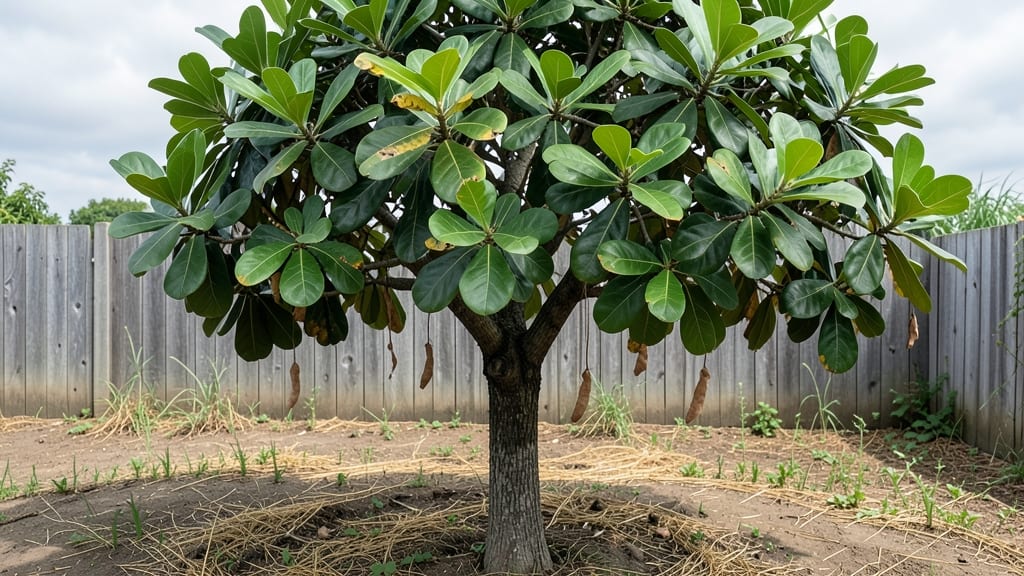
Growing sea almond seeds from scratch gives you those shockingly lush, nitrogen-fixing vines that transform any coastal garden into a tropical oasis. 🌿 I’ve learned the hard way that these seeds need warmth to break dormancy—plant them too early, and they’ll just sit there, stubborn as a beach rock in winter.
The secret to success starts with soil that drains like sand—mix equal parts potting mix and perlite—and keep it barely moist, like a damp towel.
These seeds thrive in full sun, so pick a spot where they’ll soak up at least 6 hours of direct light daily, or they’ll stretch into leggy shadows. Germination can take 2-4 weeks, but once they sprout, growth is relentless.
By day 60, you’ll have vines heavy with those signature white-and-purple blooms, and yes, they’re edible—young pods taste like fresh almonds when lightly cooked. The real magic? These plants fix nitrogen, meaning they feed your soil while they grow.
Just watch for slugs in damp climates and keep them pruned to avoid taking over your yard.
Perfect for coastal gardens, tropical microclimates, or even large containers—just don’t expect miracles in cold zones. With the right conditions, these vines will reward you with years of blooms and edible pods, turning your garden into a double-purpose powerhouse.
📚 In This Guide
- What you need
- Instructions
- Tips and common mistakes
- Wrapping up and next steps
What you need
- ● Sea almond seeds: 3–5 fresh, viable seeds (harvested from ripe fruit or purchased from a nursery). Pro tip: Soak them in warm water for 24 hours to soften the hard shell!
- ● Growing containers: Small pots (4–6 inches deep) with drainage holes (2–3 pots), or
- ● A seed-starting tray with individual cells
- ● Well-draining potting mix: 2–3 bags of a sandy, loamy blend (e.g., 60% coconut coir, 30% perlite, 10% compost). Avoid heavy clay soil!
- ● Gravel or pebbles: Small handful for the bottom of pots (for drainage).
- ● Spray bottle: For gentle watering (seeds hate soggy soil!).
- ● Clear plastic wrap or humidity dome: To create a mini greenhouse effect.
- ● Pruning shears: For trimming seed pods or future pruning.
- ● pH testing kit: Ideal pH range: 6.0–7.5 (adjust with lime or sulfur if needed).
- ● Grow lights or sunny windowsill: 6–8 hours of bright, indirect light daily (south-facing window or LED grow lights work best).
- ● Fertilizer: Balanced liquid fertilizer (e.g., 10-10-10) after sprouting.
- ○ Mulch (optional): Straw or wood chips to retain moisture in outdoor plantings.
- ● Transplanting tools: Trowel and gloves for moving seedlings to larger pots or ground.
Step-by-Step instructions for growing sea almond seeds
Here’s how to coax these resilient seeds into blooming in just two months—even in cooler climates.
🌱 Step 1: Stratify Seeds for Cold-Stress Germination
Sea almond seeds need a cold treatment to break dormancy. Place them in a sealed plastic bag with damp paper towels and refrigerate for 4-6 weeks. Check weekly—they’re ready when the outer shell softens slightly. This mimics winter chilling, which triggers germination. Real talk: Skipping this step means seeds may never sprout.
Once the shell feels slightly pliable (like a ripe avocado pit), remove the seeds and soak them in lukewarm water for 12 hours. This softens the seed coat further, helping roots emerge faster. I like to label the bag with the date to track progress—patience here pays off.
🪴 Step 2: Plant in Well-Draining, Moisture-Retentive Soil
Fill a 4-inch pot with a mix of 50% potting soil and 50% perlite to prevent root rot. Sea almonds hate soggy roots, so drainage is critical. Plant seeds ½ inch deep—deeper planting delays germination because the seedling struggles to reach light.
Water gently until the soil is moist but not soggy. You’ll know it’s right when water runs through the bottom without pooling. Place the pot in a bright, indirect light spot (no direct sun yet). Germination takes 2-4 weeks—watch for the first tiny leaves to unfurl.
☀️ Step 3: Gradually Introduce Sun and Cool Temperatures
Once seedlings show 2-3 true leaves, move them to a cool, sunny location (ideal temps: 50-65°F). Sea almonds thrive in cooler conditions—hotter air makes them leggy. I place mine near an east-facing window where they get morning sun but avoid afternoon heat.
After 4 weeks, if the soil feels dry 1 inch down, water lightly at the base. Overwatering now causes yellowing leaves. You’ll see new growth within 7-10 days—that’s your cue to fertilize lightly with a balanced 10-10-10 mix (¼ teaspoon per pot).
⏰ Step 4: Encourage Blooming with Temperature Fluctuations
To trigger flowers, expose plants to 40-50°F nights for 2-3 weeks. I move mine to a garage or covered porch at dusk, then bring them back indoors at dawn. This mimics seasonal shifts, which sea almonds need to bloom. You’ll spot buds forming in 3-4 weeks—watch for tiny green spikes along the stems.
Once buds appear, reduce watering slightly to every 5-7 days. Overwatering now causes buds to drop. Deadhead spent blooms immediately to redirect energy to new flowers. With consistent care, you’ll see vibrant blooms in 60 days total—even in cooler climates.
Tips & tricks for perfect sea almond seed germination
These game-changing tips will help you navigate the quirks of growing sea almonds from seed—and avoid the pitfalls that trip up even experienced gardeners.
The Cold-Stress Secret: In Step 1, don't rush the 4-6 week refrigeration—this cold treatment mimics natural winter conditions that trigger germination. I've seen seeds fail to sprout when people skip this step or use temps above 50°F. A simple trick: Place a thermometer in your fridge to ensure consistent 40-45°F temps. If your fridge runs warmer, move the bag to the crisper drawer where it's cooler.
Shell Softness Test: After the 4-6 weeks in the fridge, the seed shell should feel slightly pliable—like pressing gently on a ripe avocado pit. If it's still hard as a rock, give it another week. The 12-hour lukewarm water soak is your next critical step: Use water that's warm to the touch (about 80°F) but not hot. Hotter water can damage the delicate seed structure, while cooler water won't soften the shell effectively.
Lighting Strategy: In Step 2, when placing your pot in bright indirect light, think "morning sun, afternoon shade." East-facing windows are ideal because they provide gentle light without the intense heat of south or west exposures. If you don't have an east window, use a grow light on a timer for 12 hours daily. The goal is to prevent leggy seedlings—those tall, weak stems that happen when plants stretch toward insufficient light.
Temperature Fluctuation Hack: For Step 4's blooming trigger, I've found that moving plants between 50°F nights and 65°F days works best. Create this contrast by placing pots on a covered porch at dusk (when temps naturally drop) and bringing them indoors before dawn. If you can't access outdoor temps, use a fan to circulate cooler air around plants overnight—this mimics the natural temperature shifts that signal blooming time.
Pro Tips for Sea Almond Seed
- These game-changing tips will help you navigate the quirks of growing sea almonds from seed—and avoid the pitfalls that trip up even experienced gardeners.
- The Cold-Stress Secret: In Step 1, don't rush the 4-6 week refrigeration—this cold treatment mimics natural winter conditions that trigger germination.
- Shell Softness Test: After the 4-6 weeks in the fridge, the seed shell should feel slightly pliable—like pressing gently on a ripe avocado pit.
Frequently asked questions
Got questions about growing sea almond seeds?
You’re in the right place! Whether you're a first-time gardener or a seasoned green thumb, these answers will help you navigate the process like a pro. Let’s dive in!
How long does it take for sea almond seeds to germinate?
Sea almond seeds typically germinate within 10–21 days when planted in warm, moist soil (around 70–75°F). Cold-stressed blooms may slow germination, so use a heat mat or start indoors if your climate is chilly. Patience is key—keep the soil consistently damp but not soggy!
Can I grow sea almond seeds indoors before transplanting outdoors?
Starting seeds indoors 4–6 weeks before the last frost gives them a head start. Use a seed tray with well-draining soil, place it near a sunny window or under grow lights, and transplant once they’ve sprouted 2–3 true leaves. Just be gentle—sea almonds are tender!
What’s the best temperature for growing sea almond seeds?
Sea almond seeds thrive in 65–85°F soil temperatures. If your climate dips below 50°F, consider growing them in containers and moving them indoors or under a cloche. Overheating (above 90°F) can stress the seeds, so shade may help in hotter regions.
What should I do if my sea almond seeds aren’t sprouting?
First, check for moisture, warmth, and light. If the soil is dry, soak it gently. If it’s too cold, try a heat mat or move pots to a warmer spot. For stubborn seeds, scarify them (lightly sand the outer shell) or soak in warm water for 24 hours to encourage germination.
Are there alternatives to sea almond seeds for cold climates?
If sea almonds struggle in your area, try cold-hardy alternatives like lupine, vetch, or clover. These fix nitrogen in the soil and tolerate cooler temps better. Just ensure they fit your garden’s aesthetic—sea almonds add a unique coastal vibe!
Wrapping up and next steps
Growing sea almond seeds is a rewarding journey that brings a touch of coastal charm to your lawn—even in cooler climates! With just a little patience and the right care, you’ll enjoy their delicate blooms in as little as 60 days.
Whether you’re a seasoned gardener or a beginner, this resilient plant proves that beauty thrives with minimal fuss.
Ready to turn your outdoor space into a blooming haven? Start by gathering your supplies and follow the steps above—your future sea almonds will thank you! 🌱✨