Planting
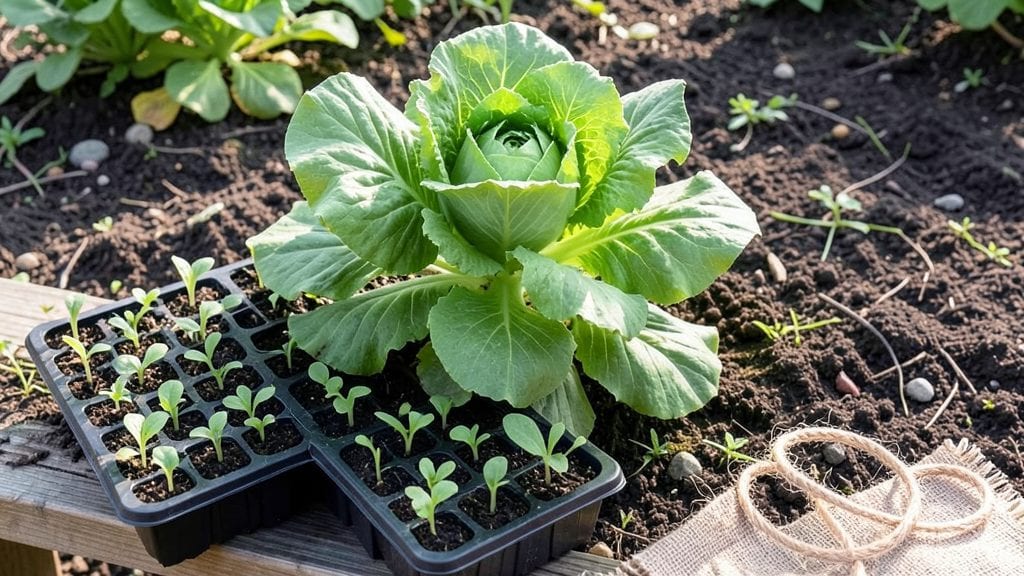
My first seed spacing chart saved me from a garden full of crowded, stunted carrots—now I know exactly how much room each plant truly needs to thrive. 🌱 The right spacing isn’t just about avoiding competition; it’s about giving roots room to breathe, stems enough light, and plants the chance to reach their full potential without fighting for resources.
Every vegetable, flower, and herb has its own personality when it comes to space. Tomatoes need 18-24 inches between plants, while delicate lettuce can live happily just 6-12 inches apart.
Herbs like basil thrive in tight quarters, but rosemary spreads like a boss and needs 3-4 feet to avoid becoming a tangled mess. The chart breaks it all down by plant type, so you won’t end up with a jungle of tangled vines or a field of underperforming veggies.
Once you master spacing, you’ll notice bigger harvests, healthier plants, and fewer pests sneaking in where crowded plants create cozy hiding spots. The key is adjusting for your soil—sandy soil drains fast, so plants need more room, while rich, loamy soil lets roots spread wider without competition.
I’ll show you how to tweak the rules for your specific growing conditions.
This isn’t just theory—it’s the difference between a garden that feeds you and one that frustrates you. Whether you’re planting rows or containers, the right spacing turns guesswork into reliable, lush growth every season. Let’s get those seeds planted with confidence!
📚 In This Guide
- What you need
- Instructions
- Tips and common mistakes
- Wrapping up and next steps
What you need
- ● Graph paper or printer paper – Standard 8.5" x 11" sheets (or larger for bigger gardens). Tip: Use grid paper for easier alignment!
- ● Ruler or measuring tape – A 12-inch ruler (or metric equivalent) for precise measurements.
- ● Pencil or fine-tip markers – For sketching and labeling. Pro tip: Use a black marker for bold, long-lasting lines!
- ● Eraser – To correct mistakes without smudging.
- ○ Seed spacing chart template (optional but helpful) – Download a pre-made chart from trusted sources like University Extension guides or gardening blogs.
- ● Calculator – For scaling up/down based on your garden’s dimensions.
- ● Notebook or digital file – To record plant names, spacing needs, and notes.
- ● Colored pencils or highlighters – To differentiate between plant types or spacing zones.
- ● Stapler or binder – For organizing multiple charts or keeping them in a portable folder.
- ● Digital tools – Apps like Gardenate or PlantNet for interactive spacing guides.
- ● String or twine – For marking spacing directly in the garden before planting.
- ● Plant tags or labels – To match your chart to real-life plantings.
- ● Know your garden layout (rows, beds, or containers).
- ● Research seed spacing requirements for each plant type (e.g., tomatoes need 18-24" apart).
- ● Decide on scale (e.g., 1 square = 1 foot or 1 square = 1 inch).
- ● Check your climate zone—some plants thrive with closer spacing in cooler areas!
Precision planting: how to use a seed spacing chart for healthy plants
Perfect spacing ensures strong roots, fewer diseases, and bigger harvests—here's how to nail it every time.
🌱 Step 1: Identify Your Plant Type and Mature Size
Every seed packet lists mature plant width and height—this is your spacing guide. For example, carrots need 1-2 inches apart because they grow narrow, while sunflowers require 2-3 feet to spread. I always check the back of the packet first; if it's missing, I look up the variety online.
Here's the thing—crowding stresses plants. You'll see yellowing leaves and stunted growth when roots compete for space. For small herbs like basil, 3-4 inches apart works perfectly, while tomatoes need 18-24 inches between plants to support their weight.
📏 Step 2: Sketch Your Planting Layout Before Digging
Grab a pencil and graph paper or use a free garden planning app. Draw your bed to scale, then plot each plant based on its mature spacing. For a 4-foot-wide raised bed, I might place 6 tomato plants with 2 feet between them, leaving 1-foot aisles on either side for easy access.
Don't skip this step—trust me, I've planted in a rush and ended up with a tangled mess. Mark rows with a wooden stake or string to keep spacing straight. For round plants like peppers, arrange them in a grid. For vining plants like cucumbers, use a trellis and space them 12 inches apart along the base.
🌿 Step 3: Plant Seeds or Transplants at the Correct Depth and Spacing
For seeds, use the packet's depth recommendation (usually twice the seed's diameter). Drop seeds into the soil at the marked spacing, then cover lightly. For transplants, dig holes the same depth as the root ball and space them as your chart dictates.
I like to use a small ruler or measuring tape to verify spacing as I go. For carrots or radishes, I use a seed spacing tool (a simple wooden stick with notches) to keep rows straight. If planting in rows, space them 12-18 inches apart for airflow and weed control.
✂️ Step 4: Thin Seedlings to Maintain Proper Spacing
Once seedlings reach 2-3 inches tall, thin them to your chart's spacing. Use scissors or fingers to snip at soil level—pulling can disturb nearby roots. For leafy greens like lettuce, thin to 6-8 inches apart; for onions, leave 4-6 inches between plants.
This is where most beginners struggle. I've thinned too late, and the plants become root-bound and weak. Watch for crowded stems or leaves touching—that's your cue to thin immediately. Save the thinned seedlings for salads or compost them if they're too small.
💧 Step 5: Adjust Watering and Mulching for Spaced Plants
Proper spacing means water reaches all roots evenly. Water deeply at the base of each plant, avoiding the leaves to prevent disease. For drip irrigation, space emitters according to your planting chart. Mulch with 2-3 inches of straw or shredded leaves to retain moisture and suppress weeds.
You'll notice healthier plants with fewer pests when spacing is right. Mulch also keeps soil temperatures stable, which is especially helpful for cool-season crops like broccoli or heat-loving plants like peppers. Replenish mulch as it breaks down to maintain protection.
Tips & tricks for perfect plant spacing
A few simple tricks can make all the difference in your garden's success—especially when it comes to spacing.
Selection Tip: Always double-check your seed packet for mature plant size before planting. I learned this the hard way after planting basil 3 inches apart only to watch it spread to 12 inches—crowding everything else. For leafy greens like lettuce, stick to the 6-8 inch spacing mentioned in Step 4, but for bushy plants like peppers, give them the full 18-24 inches they'll need to thrive.
Layout Strategy: When sketching your planting layout in Step 2, consider using a grid system for round plants like peppers or tomatoes. This creates even airflow and makes thinning easier later. For vining plants like cucumbers, draw your trellis first—then space plants 12 inches apart along the base as mentioned. I use colored pencils to mark different plant types, which helps me visualize the final layout before digging.
Thinning Technique: The 2-3 inch height guideline for thinning in Step 4 is perfect timing—any later and you risk damaging roots. Use clean scissors to snip at soil level rather than pulling, which can uproot nearby seedlings. I've found that thinning in the morning gives plants time to recover before evening heat stress. Save the thinned seedlings for pesto or compost, but never waste them!
Watering Wisdom: Proper spacing means you can water deeply at the base without wetting leaves, which prevents fungal diseases. For drip irrigation, space emitters according to your planting chart—this ensures even moisture distribution. I've seen gardens where emitters were too close, leading to soggy soil and root rot in crowded areas. A simple measuring tape verifies proper emitter placement along your rows.
Pro Tips for Seed Spacing Chart
- A few simple tricks can make all the difference in your garden's success—especially when it comes to spacing.
- Selection Tip: Always double-check your seed packet for mature plant size before planting.
- Layout Strategy: When sketching your planting layout in Step 2, consider using a grid system for round plants like peppers or tomatoes.
Frequently asked questions
Got questions about perfect seed spacing? You’re not alone—even seasoned gardeners need a quick refresher! Here are answers to the most common queries to help you plant with confidence.
Why does seed spacing matter so much?
Proper spacing ensures plants get enough light, water, and nutrients without competing for resources. Crowded plants lead to poor air circulation (hello, disease!), weaker growth, and lower yields. A seed spacing chart keeps your garden thriving and your harvests bountiful!
Can I plant seeds closer together if I plan to thin them later?
Many gardeners sow densely (e.g., carrots or lettuce) and thin seedlings once they’re 2–4 inches tall. Just follow your chart’s initial spacing guidelines—thinning prevents overcrowding and gives you strong, healthy plants.
What if my seeds are too close after germination?
Don’t panic! Gently snip seedlings at soil level with clean scissors or your fingers, leaving the strongest plants. For root crops (like beets), thin early to avoid stunted growth. Water well after thinning to help roots recover.
Does seed spacing change based on climate or soil type?
Generally, no—but poor soil or extreme heat might require slight adjustments. For example, sandy soil drains fast, so you might space moisture-loving plants (like cucumbers) a tad closer. Always check your chart’s ideal conditions and adjust for local variations.
How do I measure spacing accurately without a ruler?
Use everyday tools! A credit card (~3 inches), paperclip (1 inch), or even your thumb width (varies by hand size) can work. For rows, mark spacing with sticks or a spray-painted line on the ground for precision.
Wrapping up and next steps
Mastering seed spacing is your secret weapon for a thriving garden—whether you're growing veggies, flowers, or herbs! 🌱 The right spacing ensures strong plants, fewer pests, and bountiful harvests. With this seed spacing chart as your guide, you’re already ahead of the game.
Now that you’re armed with precision planting knowledge, grab your seeds and get growing! Start small with a single bed or container, track your progress, and soon you’ll be a spacing pro. Happy planting—your future harvest awaits! 🌿