Pruning
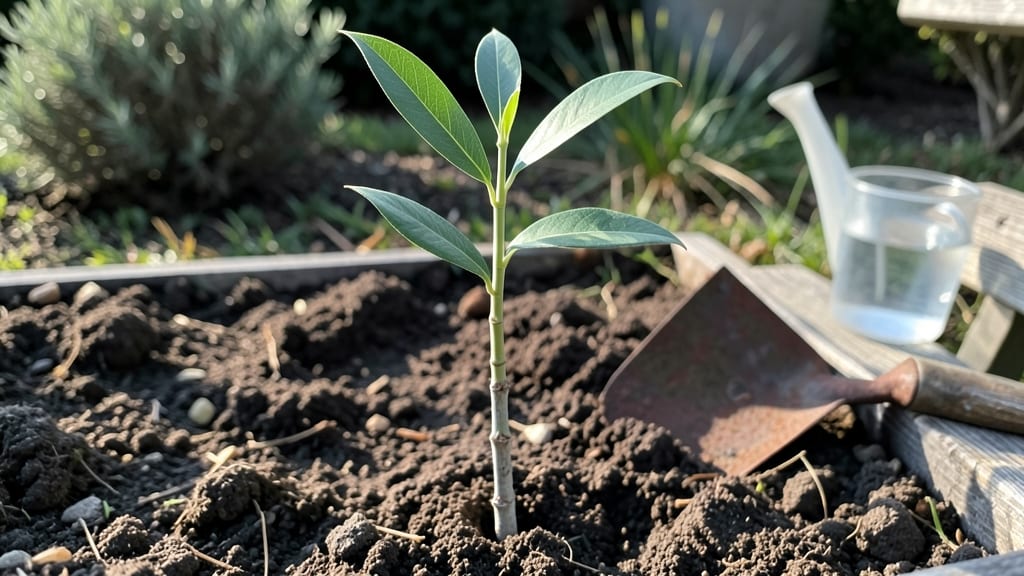
Growing a seeded eucalyptus tree from scratch feels like unlocking a secret garden—except this one grows twice as fast with the cold-moist trick I discovered after my first batch of seeds took three months to even crack open.
The key isn’t fancy equipment but understanding how eucalyptus seeds break their dormancy in nature: a chilly, damp imitation of their Australian woodland homes. I’ve since grown bushier, hardier trees using this method, and the results are shockingly lush for a beginner-friendly approach.
You’ll need just three things to start: fresh seeds (or store-bought, but fresh germinates faster), a damp paper towel or peat moss, and a sealed plastic bag to keep humidity high.
The trick works indoors or outdoors—just move the bag to a sunny windowsill or a shaded outdoor spot after the seeds sprout. Most people overlook the moisture consistency, but eucalyptus seeds need steady dampness, not soggy soil, to avoid rot before they even germinate.
Within 4-6 weeks, you’ll see tiny green shoots pushing through, and by 3 months, you’ll have a sturdy young tree ready for transplanting.
The cold-moist method doesn’t just speed up germination—it also encourages thicker stems and more branches, so you skip the leggy, weak seedlings that take years to fill out. Think of it as giving your eucalyptus a head start on the 10-20 years it’d normally take to mature in the wild.
This works best in zones 8-11, but even cooler climates can try it with a heat mat during germination. The real magic happens when you move the young tree outside—suddenly, that indoor seedling transforms into a fast-growing, drought-tolerant shade maker.
Here’s how to keep it thriving once those first leaves appear.
📚 In This Guide
- What you need
- Instructions
- Tips and common mistakes
- Wrapping up and next steps
What you need
- ● Seeded eucalyptus pods or seeds – 5–10 fresh, viable seeds (ensure they’re fully mature and dry).
- ● Well-draining potting mix – 2–3 gallons of a blend with perlite or sand (50% peat/coir, 30% perlite, 20% compost).
- ● Small pots or seed trays – 4–6 inch diameter (1–2 per seed) with drainage holes.
- ● Plastic wrap or humidity dome – To retain moisture during germination.
- ● Spray bottle – For gentle watering (avoid over-saturation).
- ● Refrigerator or cold frame – For the 2–4 week cold-moist stratification step.
- ● Grow lights or sunny windowsill – 6–8 hours of indirect light daily post-stratification.
- ● Pruning shears (small, sharp) – For trimming once seedlings reach 6–8 inches.
- ● Seed scarifier – To lightly nick hard seed coats (speeds up germination).
- ● pH testing kit – Ensure soil pH is 5.5–6.5 (eucalyptus prefers slightly acidic).
- ● Fertilizer (balanced 10-10-10) – Diluted to half-strength for seedlings.
- ● Heat mat – Keeps soil warm (70–75°F) during germination.
- ● Label markers – To track planting dates and varieties.
Step-by-step instructions for growing eucalyptus from seed
Here’s how to coax strong, bushy eucalyptus seedlings using cold-moist stratification—no fancy equipment needed.
Collect and Prepare Eucalyptus Seeds
Harvest seed pods when they turn brown and begin splitting open, usually in late summer or early fall. Remove the seeds and spread them on a paper towel to dry for 3-5 days in a warm, dry place. This prevents mold while keeping them viable. Store them in a sealed container in a cool, dark spot until you’re ready to plant.
Eucalyptus seeds have a hard outer shell that resists water absorption. To speed up germination, place the seeds between two damp paper towels in a sealed plastic bag for 24 hours. Check occasionally to ensure the towels stay moist but not soggy. This softens the seed coat, making it easier for roots to emerge.
Stratify Seeds for Faster Germination
Fill a small container with moistened peat moss and place it in the refrigerator for 4-6 weeks. This cold-moist stratification mimics winter conditions, breaking seed dormancy and encouraging faster, more uniform germination. The peat moss should stay damp but not waterlogged—squeeze it gently to test.
After the stratification period, remove the container from the fridge and let it sit at room temperature for 24 hours before sowing. This gradual shift prevents shock to the seeds. You’ll notice the peat moss may darken slightly, but as long as it’s still moist, the seeds are ready for planting.
Sow Seeds in a Well-Draining Mix
Fill small pots or trays with a 50/50 mix of peat moss and perlite to ensure excellent drainage—eucalyptus seedlings rot quickly if overwatered. Press the mix down lightly to create a firm but loose surface. Plant the seeds ¼ inch deep, spacing them 1 inch apart to allow room for growth.
Cover the pots with clear plastic wrap or a humidity dome to retain moisture and warmth. Place them in a warm, bright location (around 70-75°F), but avoid direct sunlight, which can overheat the soil. Germination typically takes 2-4 weeks, though some seeds may take longer. Patience is key—don’t disturb the soil until you see tiny green sprouts.
Transplant Seedlings for Bushier Growth
Once seedlings reach 2-3 inches tall and develop their first true leaves (not the initial seed leaves), carefully transplant them into individual 4-inch pots filled with the same peat-perlite mix. Handle them gently to avoid damaging the delicate roots. Place the pots in a sunny spot with at least 6 hours of indirect light daily.
To encourage bushier growth, pinch off the tips of the main stem when seedlings are 4-6 inches tall. This stimulates lateral branching, giving you a fuller, more compact tree. Water lightly from the bottom to avoid disturbing the roots, and keep the soil consistently moist but never soggy. Overwatering is the fastest way to kill young eucalyptus.
Acclimate and Transition to Outdoor Conditions
After 4-6 weeks of indoor growth, begin hardening off the seedlings by placing them outdoors in a sheltered, shaded area for 1-2 hours the first day. Gradually increase their exposure to sunlight and wind over 10-14 days, moving them to a sunnier spot each time. This slow transition prevents shock and helps them adapt to outdoor conditions.
Once fully acclimated, transplant the seedlings into the ground or larger containers. Eucalyptus thrives in well-draining soil and full sun, but young trees benefit from some afternoon shade in hot climates. Water deeply once a week, allowing the top 1-2 inches of soil to dry out between waterings. With proper care, your seedlings will grow into sturdy, bushy trees in no time.
Tips & tricks for perfect seeded eucalyptus growth
Mastering the cold-moist stratification method isn't just about following steps—it's about understanding the subtle details that make all the difference between struggling seedlings and thriving eucalyptus trees.
Seed Preparation Precision: The 3-5 day drying period in Step 1 is critical—don't rush this. Spread seeds in a single layer on the paper towel to ensure even air circulation. I've learned the hard way that overlapping seeds can trap moisture, leading to mold before you even begin stratification. Use a fan on low setting for the first 24 hours to accelerate drying while preventing fungal growth.
Stratification Consistency: Maintaining the 4-6 week cold period at consistent moisture is where most failures happen. I recommend placing your container on a wire rack inside the fridge rather than directly on the shelf. This prevents waterlogging from condensation dripping onto the peat moss. Check moisture weekly by squeezing the peat—it should feel like a wrung-out sponge, not a damp sponge.
Sowing Depth and Spacing: That ¼-inch planting depth might seem shallow, but eucalyptus seeds need this minimal coverage to access the moisture and warmth they crave. Use a toothpick to create precise planting holes rather than pressing seeds into the soil, which can bury them too deeply. The 1-inch spacing might feel generous, but remember—these seeds will grow into trees with expansive root systems.
Light Management: The 70-75°F warm, bright location specified in Step 3 requires careful interpretation. While bright is essential, avoid placing pots near south-facing windows where temperatures can exceed 80°F—this creates a greenhouse effect that overheats the soil. I've had success using grow lights on a timer for 12 hours daily, which gives you more control over both temperature and light intensity during germination.
Pro Tips for Seeded Eucalyptus Tree
- Mastering the cold-moist stratification method isn't just about following steps—it's about understanding the subtle details that make all the difference between struggling seedlings and thriving eucalyptus trees.
- Seed Preparation Precision: The 3-5 day drying period in Step 1 is critical—don't rush this.
- Stratification Consistency: Maintaining the 4-6 week cold period at consistent moisture is where most failures happen.
Frequently asked questions
Got questions about growing seeded eucalyptus trees with the cold-moist trick?
You’re not alone! Here are answers to the most common queries—from timing to troubleshooting—to help you nurture a thriving, bushier tree.
How long does it take for a seeded eucalyptus tree to germinate using this method?
The cold-moist trick typically speeds up germination to 2–6 weeks, depending on seed viability and temperature. Store-bought seeds may sprout faster (1–2 weeks) than wild-collected ones. Keep soil consistently moist but not soggy, and place seeds in a cool (50–60°F) spot until sprouts appear.
Why do I need to refrigerate the seeds before planting?
Eucalyptus seeds have a hard seed coat that resists water absorption. The cold-moist trick mimics natural winter conditions, softening the coat and breaking dormancy. Skipping this step can delay or prevent germination—think of it as a reset button for stubborn seeds!
Can I use this method for other tree seeds, like maple or oak?
While the cold-moist trick works for many hard-coated seeds (e.g., acacia, wattle), it’s not ideal for all trees. Maple and oak seeds often need stratification (moist cold + warm cycles) or scarification (scratching the seed coat). Always check species-specific guidelines—your local nursery can help!
What do I do if my seeds rot instead of sprouting?
Overwatering or poor drainage is the usual culprit. If seeds turn mushy or develop mold:
- Drain excess water and repot in fresh, well-draining soil (eucalyptus loves sandy or gritty mixes).
- Add perlite or vermiculite to improve aeration.
- Disinfect the container with a 10% bleach solution (rinse well) if mold appears.
Pro tip: Use a spray bottle for gentle moisture—avoid soaking!
Will this method make my eucalyptus grow faster or just bushier?
The cold-moist trick doesn’t magically speed up growth, but it ensures stronger, more uniform seedlings by improving germination rates. For bushier growth, focus on:
- Pruning young shoots to encourage branching.
- Providing full sun (6+ hours/day) after transplanting.
- Avoiding over-fertilizing (eucalyptus prefers lean soil).
Patience is key—bushiness develops over 1–2 years!
Wrapping up and next steps
Growing a seeded eucalyptus tree with the cold-moist trick isn’t just rewarding—it’s a game-changer for lush, bushier foliage and faster growth! By mastering this simple technique, you’re not only nurturing a stunning plant but also unlocking the secrets of nature’s resilience.
Whether you’re a seasoned gardener or just starting out, this method proves that patience and a little know-how can yield amazing results.
Ready to take the next step? Try experimenting with your own eucalyptus seeds this season—your future tree (and your garden!) will thank you. 🌱✨