
Mower
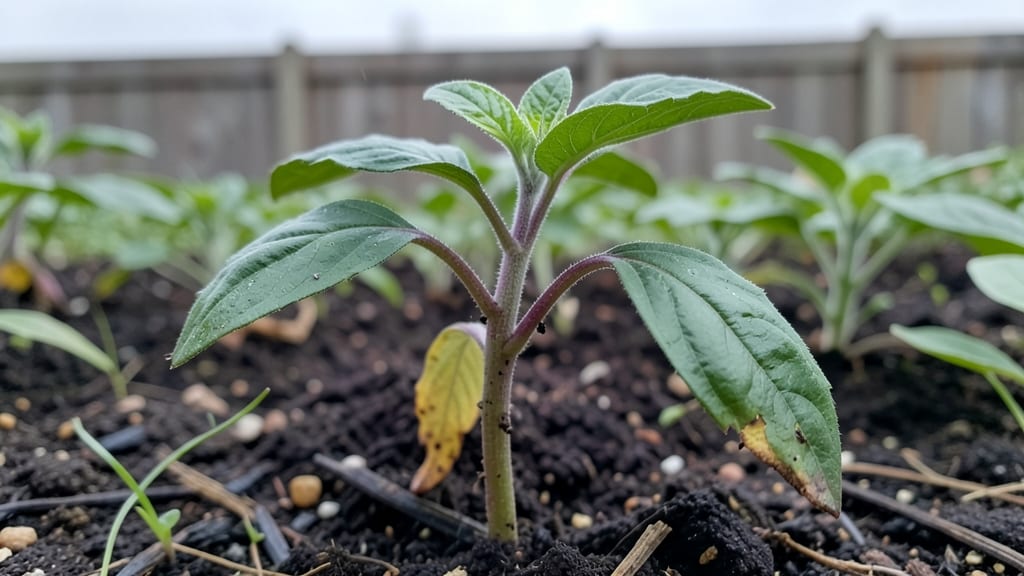
That seedling bent over like a tired dancer isn’t just wobbly—it’s begging for a lifeline, and the solution is easier than you’d expect. 🌱 The moment you spot that telltale bend, you’re just minutes away from saving your future plants.
Most bent seedlings are just stretching toward the light or fighting wind gusts, but sometimes it’s a sign of overcrowding or weak stems. The good news? No special tools needed—just a little attention.
I’ll show you how to straighten them up without damaging delicate roots, plus how to prevent it from happening again in your next batch.
By the end of this, your seedlings will stand tall and proud, ready to grow into strong, productive plants. You’ll spot the early warning signs next time, and your garden will thank you with straighter, healthier growth from day one.
Works for tomatoes, peppers, herbs, or any other seedlings you’re nurturing. Let’s get those little stems standing straight again—no guesswork, just results.
Root Causes of Bent Seedlings
A seedling that leans or bends over isn’t just a cosmetic issue—it’s a cry for help from your tiny plant. Understanding the why behind the bend is the first step to fixing it.
Below, we break down the most common culprits, backed by science, so you can diagnose and correct the problem before it’s too late.
Seedlings need light to grow strong, but too little—or too much—can cause them to stretch or flop. When light is insufficient (especially from weak indoor lighting or shade), seedlings etiolate: they grow tall and spindly in a desperate bid to reach sunlight.
This weakens their stems, making them prone to bending or snapping under their own weight.
Why it happens:
- Insufficient light: Seedlings grown under artificial lights (like LEDs or fluorescents) that aren’t bright enough or placed too far away will stretch toward the light source, creating an uneven, weak stem.
- One-sided light: If a seedling is exposed to light from only one direction (e.g., a window or grow light on one side), it will lean toward the source, causing a permanent bend.
- Overexposure to direct sun: While seedlings need sunlight, too much direct heat (especially in hot climates) can scorch leaves, weakening the plant’s ability to photosynthesize and support itself.
Actionable fix: 💡 Rotate seedlings daily if using a single light source to ensure even growth. For indoor setups, use full-spectrum grow lights (12–16 hours of light per day) and keep them 2–4 inches above seedlings. If outdoors, provide dappled shade or use shade cloth to prevent overheating.
A seedling that’s too heavy for its own stem will bend under the weight of excess water or saturated soil. Overwatering leads to weak cell walls, while poor drainage can cause root rot, further destabilizing the plant.
Why it happens:
- Excess moisture: Waterlogged soil deprives roots of oxygen, slowing nutrient uptake and weakening stem structure. The seedling’s stem may become waterlogged and flaccid, causing it to droop or bend.
- Heavy soil mix: Dense or clay-heavy soils retain too much water, suffocating roots and preventing proper support.
- No support structure: Delicate seedlings (like tomatoes or peppers) may bend if they lack stakes, trellises, or proper spacing, especially in windy conditions.
Actionable fix: 🌡️ Check soil moisture by sticking your finger 1 inch deep—water only when the topsoil feels dry. Use a well-draining mix (e.g., 60% peat/coir, 30% perlite, 10% vermiculite) and ensure pots have drainage holes. For outdoor seedlings, stake or cage them early to provide support before they bend.
Seedlings are like tiny ballerinas—they need balance. Even a gentle breeze can push them over if their roots aren’t anchored or their stems aren’t strong enough. Physical stress (like accidental bumping) can also cause permanent bends.
Why it happens:
- Exposure to wind: Outdoor seedlings are especially vulnerable. Wind exerts lateral pressure on the stem, causing it to bend or even break if the roots aren’t deep enough.
- Improper handling: Tugging, moving, or planting seedlings too deeply can stress the stem, leading to weak spots that bend under the plant’s weight.
- Crowding: Seedlings competing for space may lean toward light or brush against neighbors, causing them to grow crooked.
Actionable fix: ✨ Create a windbreak for outdoor seedlings using a mesh screen, cardboard, or even a small fence. For indoor seedlings, avoid placing them near drafty windows or vents. If bending occurs, gently straighten the stem and secure it with a soft tie (like a rubber band or cloth strip) to a stake until it hardens.
Extreme heat or cold can disrupt a seedling’s growth hormones, causing uneven elongation or weak cell walls. For example, cool nights followed by hot days can lead to bolting (rapid, weak growth) or stunted development.
Why it happens:
- Cold stress: Temperatures below 50°F (10°C) can slow down photosynthesis and weaken cell structure, making stems more prone to bending.
- Heat stress: Sudden heat spikes (especially above 85°F/30°C) can cause sunscald on leaves, reducing the plant’s ability to support itself.
- Drafts or uneven heating: Indoor seedlings near AC vents, heaters, or open windows may grow unevenly, leading to crooked stems.
Actionable fix: 🔥 Monitor temperature extremes and use row covers or shade cloth outdoors. Indoors, keep seedlings in a stable environment (65–75°F / 18–24°C) and avoid placing them near heating/cooling sources. Use a small fan on low to promote even growth and strengthen stems.
A seedling that’s deficient in key nutrients (like nitrogen, phosphorus, or calcium) won’t develop strong structural support. Over-fertilizing can also burn roots, leaving the plant unable to stand upright.
Why it happens:
- Nitrogen deficiency: Leads to pale, weak stems that can’t support the plant’s weight, causing bending or lodging.
- Calcium deficiency: Results in blossom end rot in seedlings (common in tomatoes) and weak cell walls, making stems prone to breaking.
- Over-fertilization: Excess salts in soil can burn roots, preventing nutrient uptake and causing stunted, weak growth.
Actionable fix: 📊 Test your soil and amend with a balanced fertilizer (e.g., 10-10-10) or compost. For calcium issues, add crushed eggshells or lime. Avoid fertilizing seedlings until they have 2–3 true leaves—young plants are sensitive to salts.
Straighten and Strengthen Your Seedling
A bent-over seedling may look like a lost cause, but with the right approach, you can nurse it back to health—and even prevent future wobbles. Below are practical, step-by-step solutions tailored to the most common causes of weak, leaning, or collapsed seedlings.
Whether your little plant is bowing under environmental stress, poor support, or disease, these fixes will help it stand tall again.
If your seedling is bending but not breaking, it’s likely struggling to stay upright due to wind, overcrowding, or shallow roots.
🔧 Step 1: Provide Immediate Support
- Use a mini stake or chopstick: Gently insert a thin stake, toothpick, or popsicle stick next to the seedling (not through the stem) to act as a temporary brace.
- Tie it loosely: Secure the seedling with a soft plant tie, twist tie, or even a bent paperclip—just enough to hold it upright without cutting into the stem.
- Avoid metal stakes: They can conduct heat and damage tender stems.
Opt for wooden or plastic instead.
🌱 Step 2: Improve Root Stability
- Check soil depth: If the seedling was planted too shallow, its roots won’t anchor properly. Gently replant it slightly deeper (up to the first true leaves) to encourage stronger root growth.
- Water thoroughly: After staking, give it a deep watering to help roots expand into the soil.
Avoid overhead watering, which can weaken stems further.
💡 Prevention Tips for Future Seedlings
✅ Pre-sprout in trays before transplanting to ensure stronger root systems. ✅ Use a seedling heat mat (if growing indoors) to encourage faster root development. ✅ Thin seedlings early to reduce competition for nutrients and space.
If your seedling is leaning dramatically (like a sail in a storm), it’s likely growing toward light or being blown over by wind.
🔄 Step 1: Rotate and Reposition
- Turn the pot tray 180° daily (if growing indoors) to encourage even growth toward the light source.
- Move outdoors to a sheltered spot: If growing outside, place seedlings near a fence, wall, or windbreak to reduce exposure.
- Use a small cloche or plastic dome: This creates a microclimate that protects delicate stems while allowing light and air to pass through.
🌡️ Step 2: Adjust Light Exposure
- Too much direct sun? Move seedlings to a shadier spot (especially for young, tender plants like lettuce or basil).
- Not enough light? Supplement with a grow light 12–14 hours a day to prevent weak, leggy growth.
💡 Prevention Tips for Windy Conditions
✅ Plant in a low-wind area or use natural windbreaks like tall grasses or shrubs. ✅ Mulch around the base to stabilize soil and reduce erosion. ✅ Avoid overwatering—soggy soil makes seedlings more prone to toppling.
If the seedling is soft, mushy, or collapsing, it may be suffering from fungal disease (like damping-off) or pest damage (aphids, slugs).
🚨 Step 1: Diagnose the Issue
- Check for damping-off: Look for blackened stems at the soil line and a mushy base.
This fungal disease thrives in overly wet, crowded conditions. - Inspect for pests: Search for tiny insects (aphids), chewed leaves, or silvery slime trails (slugs).
🧴 Step 2: Treat Accordingly
| Problem | Solution |
|---|---|
| Damping-off | Remove affected seedlings immediately. Improve airflow, reduce watering, and sterilize soil with hydrogen peroxide (1 tsp per cup of water). |
| Aphids | Spray with soapy water (1 tsp mild soap per quart of water) or introduce ladybugs. |
| Slugs/Snails | Set up beer traps (bury a shallow dish with beer) or use diatomaceous earth around the base. |
💡 Prevention Tips for Healthy Seedlings
✅ Sterilize trays and tools with a 10% bleach solution before reuse. ✅ Space seedlings properly (1–2 inches apart) to reduce humidity and fungal spread. ✅ Water at the base (not overhead) to keep foliage dry.
If the seedling is beyond saving, don’t toss it!
Many plants can regrow from healthy stems or leaves: - Cut just above the bend (if the base is still firm) and replant the healthy portion in fresh soil. - Lay the stem flat on moist soil and weigh it down—sometimes new roots will form!
With these targeted fixes, your bent-over seedling should bounce back stronger in no time. The key is acting fast and giving it the support it needs—whether that’s a little stake, better light, or a pest-free environment. Happy growing! 🌿💪
Frequently asked questions
Why does my seedling keep leaning even after staking?
If your seedling keeps bending despite support, it’s likely suffering from light deprivation or nutrient deficiencies. Rotate the pot daily for even growth, and check for pale stems (sign of nitrogen deficiency) or weak spots (calcium lack). A balanced fertilizer or crushed eggshells can help strengthen stems over time.
Can I fix a seedling that’s already permanently bent?
For mild bends, gently straighten the stem and secure it with a soft tie to a stake. If the bend is severe, cut just above the damaged area (if healthy tissue remains) and replant. Some plants, like herbs, may regrow from cuttings if placed in moist soil.
How do I prevent seedlings from bending in windy conditions?
Use a windbreak (like a mesh screen or cardboard) or plant near a fence. For extra support, stake seedlings early and mulch around the base to stabilize soil. Avoid overwatering—soggy soil makes stems more prone to toppling. A small fan indoors can also strengthen stems by encouraging even growth.
Is it safe to use toothpicks or chopsticks as stakes?
Yes! Toothpicks, popsicle sticks, or chopsticks work great for lightweight seedlings. Just insert them gently beside the stem (not through it) and tie loosely with a soft strip of fabric or twist tie. Avoid metal—it can conduct heat and damage tender stems.
Why do some seedlings bend at the soil line?
This is often a sign of damping-off disease, caused by fungus in overly wet, crowded conditions. Remove affected seedlings immediately, improve airflow, and reduce watering. Sterilize trays with a 10% bleach solution before reuse. For prevention, space seedlings properly and avoid overhead watering.