
Container Gardens
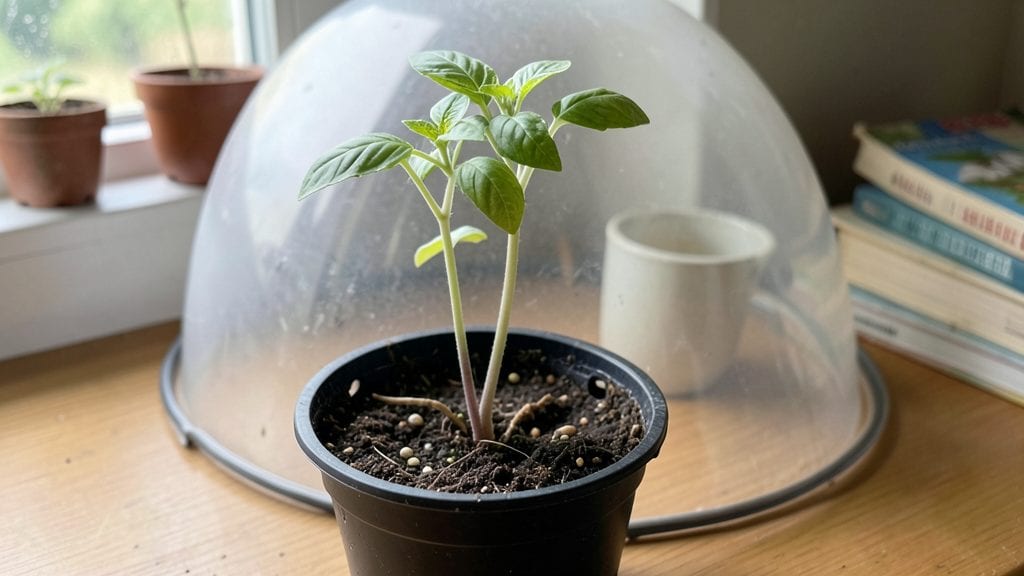
Seedling not growing?
That first weak sprout can turn into a full plant—or it can just sit there, stubborn as a stubborn weed. 🌱 I’ve nursed more than my share of sad little seedlings back to life, and the fixes are simpler than you’d think, starting with light, water, and soil.
Most problems boil down to three things: too little light (especially in winter), watering that’s either drowning or drying out the roots, or soil that’s compacted or lacking nutrients.
Even temperature swings can stall growth—like leaving seedlings near a drafty window. The good news? Each fix takes less than 10 minutes and costs nothing.
By the end, you’ll spot the exact issues holding your seedlings back—whether it’s yellowing leaves from overwatering or a leggy stem begging for more light. The right adjustments get them growing again in 3-5 days, and you’ll avoid future heartbreak with a few simple checks.
Works for tomatoes, peppers, herbs, or flowers—indoor starts, windowsill setups, or greenhouse trays. Let’s get those seedlings standing tall again.
Root Causes Holding Back Growth
When your seedling seems stuck in place, it’s often a silent battle beneath the soil—or even in the air. Understanding these hidden roadblocks is the first step to reviving your tiny green friend.
Let’s dig into the most common reasons why seedlings stall, along with the science behind them and what you can do to turn things around.
Seedlings are sun-hungry! Without enough light, they stretch weakly toward any available source—a condition called etiolation. This causes:
- Long, leggy stems (a sign of desperation for light).
- Pale, weak leaves (chlorophyll struggles to form without sunlight).
- Slowed photosynthesis, which directly stunts growth.
Why it happens: Light is the fuel for photosynthesis, the process that converts CO₂, water, and sunlight into glucose (the plant’s energy). Without it, seedlings burn through their stored energy reserves (from the seed) too quickly and stop growing.
Actionable fix:
- Move seedlings closer to a south-facing window (if indoors) or under grow lights (12–16 hours/day).
- Rotate trays weekly to prevent uneven growth toward one light source.
- Use reflective surfaces (like aluminum foil) under trays to bounce light upward.
Too much love can drown your seedling. Waterlogged soil cuts off oxygen, leading to:
- Root rot (fungal infections like Pythium or Phytophthora).
- Stunted roots that can’t absorb nutrients or water efficiently.
- Yellowing leaves (a classic sign of oxygen deprivation).
Why it happens: Roots need both water and air to function. Overwatering displaces oxygen in the soil, suffocating roots and inviting harmful microbes. Even "well-draining" mixes can compact over time, trapping moisture.
Actionable fix:
- Check soil moisture by sticking your finger 1 inch deep—water only if it’s dry.
- Use containers with drainage holes and elevate trays to prevent soggy bottoms.
- Avoid watering schedules—stick to the "finger test" instead.
- Amend soil with perlite or vermiculite (20–30%) to improve aeration.
Seedlings thrive in a cozy Goldilocks zone—not too hot, not too cold.
Extreme temps throw their metabolism off balance, leading to: - Slow enzyme activity (cold soil halts nutrient uptake). - Heat stress (wilting, curled leaves, or even death in extreme cases). - Uneven germination (some seeds sprout while others rot).
Why it happens: Most seedlings prefer 65–75°F (18–24°C). Below 50°F (10°C), root growth nearly stops. Above 85°F (29°C), cells suffer heat damage, and transpiration (water loss) outpaces absorption.
Actionable fix:
- Use a seedling heat mat (for cold climates) or move pots away from drafts/AC vents.
- Avoid placing trays on cold floors or near radiators.
- Monitor humidity—dry air + heat = stressed seedlings. A humidity dome (temporarily) helps.
- Hardening off gradually if moving outdoors (acclimate to temp shifts over 1–2 weeks).
Seedlings are like infants—they need small, frequent meals, not a smorgasbord.
Common deficiencies include: - Nitrogen (N) deficiency: Yellowing lower leaves (oldest first). - Phosphorus (P) deficiency: Dark green or purple stems/leaves (struggling to flower). - Micronutrient lacks (like magnesium or iron): Yellowing between leaf veins (chlorosis).
Why it happens:
- Over-fertilizing burns tender roots (too much salt draws out moisture).
- Under-fertilizing starves them of essential nutrients.
- pH imbalances (too acidic/alkaline) lock out nutrients like iron or manganese.
Actionable fix:
- Start with a balanced, water-soluble fertilizer (like 5-5-5 or 10-10-10) diluted to half strength.
- Feed lightly—seedlings only need nutrients after their first true leaves appear.
- Test soil pH (ideal: 6.0–7.0 for most seedlings). Adjust with lime (raise pH) or sulfur (lower pH).
- Avoid compost tea or manure until seedlings are established (too strong for tiny roots).
Tiny invaders like fungal damping-off, aphids, or root-knot nematodes can silently sabotage growth by:
- Damaging roots (reducing water/nutrient uptake).
- Feeding on leaves (weakening the plant’s energy production).
- Spreading disease (e.g., powdery mildew clogs stomata, blocking gas exchange).
Why it happens:
- Crowded seedlings create humid microclimates perfect for fungi.
- Contaminated soil (reused pots or garden soil) may harbor pathogens.
- Weak seedlings (from other stressors) are easier targets.
Actionable fix:
- Space seedlings 2–3 inches apart for airflow.
- Inspect leaves daily for pests (use a magnifying glass). Treat with neem oil or insecticidal soap if needed.
- Sterilize tools and pots with a 10% bleach solution (rinse well).
- Prevent damping-off by avoiding overhead watering and using fungicide dust (like mycorrhizal inoculant).
Not all seeds are created equal! Some factors are out of your control:
- Low-quality or old seeds (viability drops after 1–2 years).
- Hybrid or slow-germinating varieties (e.g., some herbs or flowers take weeks to sprout).
- Dormancy requirements (some seeds need cold stratification or scarification to germinate).
Why it happens:
- Enzymes in old seeds degrade, reducing germination success.
- Some species evolved to wait for specific conditions (e.g., fire, cold, or animal digestion) before sprouting.
Actionable fix:
- Buy fresh seeds (check the packet for a germination rate >85%).
- Test a few seeds in a damp paper towel to confirm viability before planting.
- Follow species-specific instructions (e.g., soak tomato seeds overnight, but not lettuce).
- Be patient—some seeds (like okra) take 10+ days to germinate.
Fix Your Stalled Seedling in 5 Steps
Now that you’ve pinpointed why your seedling isn’t growing, it’s time to take action! Below are practical, step-by-step fixes tailored to each common cause—plus prevention tips to keep your future seedlings thriving. 🌱💪
Problem: Weak, leggy seedlings or slow growth mean they’re stretching toward light but not getting enough.
How to Fix It:
- Move to a sunnier spot 🌞 – Place seedlings near a south-facing window (or east/west if in the Southern Hemisphere) for 6–8 hours of direct sunlight daily. If indoors, use a grow light (LED or fluorescent) 2–4 inches above the seedlings for 12–16 hours/day.
- Rotate seedlings weekly ⏰ – Turn the tray ¼ turn every 3–4 days to prevent uneven growth toward the light source.
- Thin crowded seedlings 🌿 – If seedlings are too close, snip weaker ones at the soil line to reduce competition for light.
Prevention Tips: ✅ Use reflective surfaces (like aluminum foil on windows) to bounce extra light. ✅ Start seeds under grow lights if natural light is weak (especially in winter). ✅ Choose fast-growing varieties if you’re short on sunlight.
Problem: Yellow leaves, mushy stems, or crispy edges signal watering woes.
How to Fix It:
- Check soil moisture 🧲 – Stick your finger 1 inch deep into the soil. If it’s dry, water; if soggy, hold off.
- Adjust your watering routine 💦 –
- Overwatered? Let the top ½ inch of soil dry out between waterings. Ensure pots have drainage holes and use a tray to catch excess water.
- Underwatered? Water slowly and deeply until it drains from the bottom. Use a spray bottle for fine misting if seedlings are tiny.
- Use the right tools 🔧 – A moisture meter or self-watering tray can help maintain consistency.
Prevention Tips: ✅ Water in the morning to reduce evaporation and fungal risks. ✅ Group seedlings together to create a humid microclimate (cover with plastic wrap if needed). ✅ Use well-draining soil (mix in perlite or vermiculite for aeration).
Problem: Cold drafts or heat spikes can shock seedlings and stunt growth.
How to Fix It:
- Move to a stable spot ❄️🔥 – Keep seedlings away from AC vents, heaters, or drafty windows. Ideal temps:
- Day: 65–75°F (18–24°C)
- Night: 55–65°F (13–18°C)
- Use a heat mat 🔥 – For cool climates, place a seedling heat mat underneath trays to maintain 70°F (21°C) soil temp.
- Protect from cold ❄️ – If nights dip below 50°F (10°C), cover seedlings with a clear plastic dome or row cover.
Prevention Tips: ✅ Avoid sudden temperature swings (e.g., opening windows near seedlings). ✅ Use a thermometer to monitor conditions in real time. ✅ Hardening off (gradually acclimating seedlings to outdoor temps) prevents shock when transplanting.
Problem: Pale leaves, weak stems, or stunted growth mean the soil lacks essential nutrients.
How to Fix It:
- Test your soil 🧪 – Use a DIY pH test kit (aim for 6.0–7.0 for most seedlings). Adjust with:
- Lime (to raise pH)
- Peat moss or sulfur (to lower pH)
- Fertilize lightly 💪 – Wait 1–2 weeks after germination, then use a balanced, water-soluble fertilizer (like 5-5-5 or 10-10-10) diluted to half strength. Apply every 2–3 weeks.
- Boost organic matter 🌿 – Mix in compost, worm castings, or fish emulsion for slow-release nutrients.
Prevention Tips: ✅ Start with high-quality seedling mix (avoid garden soil—it’s too dense). ✅ Rotate fertilizers to avoid nutrient lockout (e.g., alternate with compost tea). ✅ Transplant at the right time – Seedlings need 2–3 true leaves before fertilizing heavily.
Problem: Holes in leaves, mold, or wilting signals an unwanted visitor.
How to Fix It:
- Identify the issue 🔍 –
- Fungal disease (damping off)? Remove affected seedlings immediately. Improve airflow by spacing plants wider and watering at the base (not overhead).
- Pests (aphids, spider mites, fungus gnats)?
- Spray with neem oil 🌿 (mix 1 tsp neem oil + 1 tsp mild soap + 1 quart water).
- Use sticky traps for fungus gnats.
- Blast pests off with a strong spray of water.
- Quarantine infected seedlings 🚫 – Isolate them to prevent spread.
Prevention Tips: ✅ Sterilize tools with rubbing alcohol before use. ✅ Rotate crops if reusing containers. ✅ Encourage beneficial insects (like ladybugs) to patrol your seedlings.
💡 Pro Tip: Keep a seedling growth journal! Track light, water, and fertilizer changes to spot patterns and adjust quickly. Happy growing! 🌟
Frequently asked questions
Why does my seedling look healthy but just isn't growing at all?
Your seedling might be suffering from etiolation (stretching from poor light) or nutrient starvation. Check if it’s reaching for light sources or if the soil lacks nitrogen—both can stall growth even with green leaves. Try moving it to brighter light or giving a gentle fertilizer boost (half-strength, water-soluble).
How often should I water seedlings that aren't growing?
Water only when the top ½ inch of soil feels dry—overwatering suffocates roots! Use a spray bottle for tiny seedlings to avoid disturbing them. Drainage holes and elevated trays prevent soggy soil, which causes root rot and stops growth. Check soil moisture daily in extreme temps.
Can temperature really affect my seedling's growth?
Seedlings thrive at 65–75°F (18–24°C). Below 50°F (10°C), roots slow to a crawl, while above 85°F (29°C), they wilt from heat stress. Move pots away from drafts/AC vents and use a heat mat if needed. A simple thermometer helps monitor conditions.
What should I do if my seedling's leaves turn yellow?
Yellow leaves usually mean overwatering (cut back immediately) or nutrient deficiency (like nitrogen). For overwatered plants, let soil dry completely before watering again. For deficiencies, use a balanced fertilizer (5-5-5) at half strength. Check for root rot if stems feel mushy.
Is it too late to save a seedling that's been stagnant for weeks?
Not necessarily! Prune any damaged leaves, adjust light/water/temp, and give it 1–2 weeks of ideal care. If roots are healthy (white and firm), it can recover. For severe cases, try transplanting to fresh, sterile soil. Patience is key—some seedlings bounce back with the right conditions!