
Advice
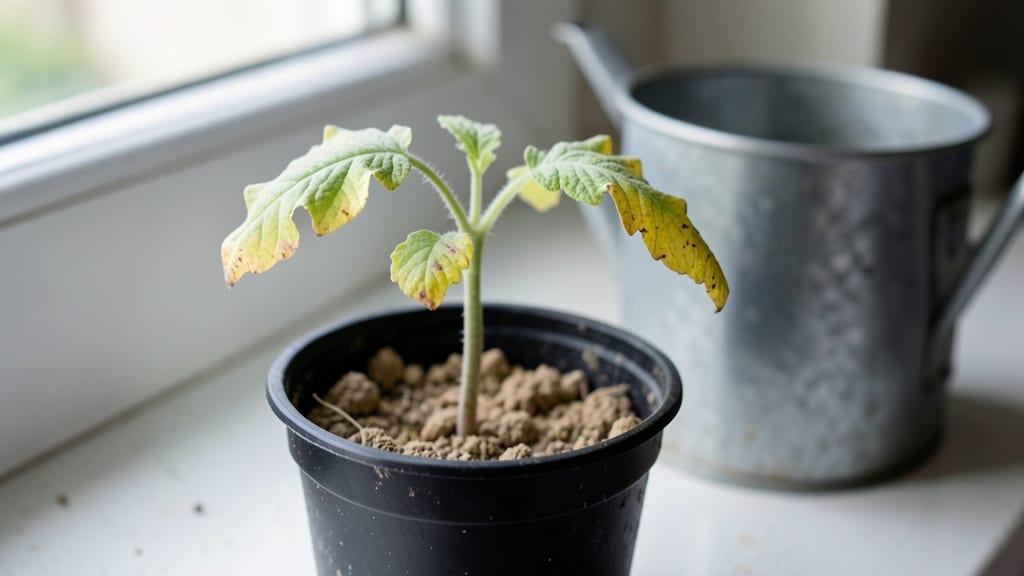
Stunted seedling growth can feel like watching a tiny plant gasp for air—it’s frustrating, but there’s always a fix. 🌱 I’ve nursed back dozens of leggy, yellowing seedlings by tackling the real culprits: overcrowding, uneven moisture, or light starvation. The good news? Most issues are reversible with simple adjustments.
First, check the roots—if they’re tangled or pale, you’re dealing with overwatering or poor drainage. Yellow leaves? Underwatering or nutrient starvation. Stunted but green? Light deprivation or transplant shock. Grab a small trowel and gently inspect the soil; you’ll spot the problem within minutes.
With the right fix—whether it’s adjusting your watering schedule, adding grow lights, or repotting into richer soil—you’ll see new growth within 3-7 days. I’ve seen seedlings bounce back from near-death to thriving in just a week. The key is acting fast before roots rot or stems weaken permanently.
Prevention is easier than rescue: use well-draining soil, space seedlings properly, and keep them in consistent light. Trust me, once you master these fixes, your seedlings will grow like they’re in a greenhouse—even on a windowsill.
Root Causes Of Slow Starts
When your seedlings refuse to grow like they should, the problem often boils down to a few key factors—some hidden, some obvious. Understanding why growth stalls is half the battle in fixing it.
Below, we break down the most common culprits and the science behind them, so you can diagnose the issue like a pro.
Healthy roots need the right environment to thrive, and if the soil is lacking, seedlings will struggle to establish themselves. Here’s what’s likely going wrong:
- Compacted or Heavy Soil:
Dense soil restricts root expansion, cutting off oxygen and water flow. Roots can’t spread out to seek nutrients, leading to stunted growth. Test it: Press a finger into the soil—if it resists, it’s too compacted.
- Low Nutrient Levels:
Seedlings are nutrient hogs, especially during their first few weeks. If the soil lacks essential macronutrients like nitrogen (N), phosphorus (P), or potassium (K), growth slows dramatically. A quick fix? Use a balanced 5-10-5 fertilizer or compost tea to jumpstart development.
- Wrong pH Balance:
Most seedlings prefer a slightly acidic soil (pH 6.0–7.0). If the pH is too high (alkaline) or too low (acidic), nutrient uptake fails. Example: Tomatoes thrive at pH 6.0–6.8, but if your soil is at 8.0, they’ll starve—even if nutrients are present.
💡 Pro Tip: Amend soil with perlite or vermiculite to improve aeration, and test pH with a cheap kit before planting. Adjust with lime (to raise pH) or sulfur (to lower pH) if needed.
Water is the lifeblood of seedlings, but imbalances can halt growth faster than anything else. Here’s how to spot the problem:
- Overwatering (Root Rot Risk):
Soggy soil suffocates roots by displacing oxygen, leading to anaerobic conditions and fungal infections like Pythium. Signs: Yellowing leaves, mushy stems, or a foul smell. Fix: Let the top inch of soil dry out between waterings and use pots with drainage holes.
- Underwatering (Stress Signals):
Dry soil causes roots to shrink and curl, reducing nutrient absorption. Seedlings may wilt or develop crispy edges on leaves. Solution: Water gently at the base (not overhead) and use a moisture meter to monitor levels.
- Inconsistent Moisture:
Fluctuating water levels stress seedlings, triggering osmotic shock—where roots struggle to regulate water uptake. Result: Stunted roots and weak stems. Fix: Maintain consistent moisture (like a wrung-out sponge) and mulch to retain humidity.
🌡️ Quick Test: Stick your finger in the soil—if it’s damp 1 inch down, you’re golden. If it’s bone-dry or muddy, adjust immediately.
Seedlings need light to perform photosynthesis, and without it, they’ll stretch weakly (a condition called etiolation) or grow sluggishly. Common light-related problems:
- Insufficient Light:
Weak or artificial light (like a single bulb) causes seedlings to leggy and pale. Why? They stretch toward light sources, wasting energy. Fix: Provide 12–16 hours of light daily using full-spectrum grow lights 2–3 inches above seedlings.
- Too Much Direct Sun:
Intense midday sun (especially in hot climates) can scorch delicate leaves, reducing photosynthesis. Signs: White or brown patches on leaves. Solution: Use shade cloth (30–50%) or place seedlings in dappled light.
- Uneven Light Exposure:
Seedlings on a windowsill may grow lopsided if one side gets more light. Result: Weak stems and poor root development. Fix: Rotate trays quarter-turn daily for even growth.
✨ Light Hack: If using natural light, place seedlings on a south-facing window (Northern Hemisphere) or use a reflective surface (like aluminum foil) to bounce light around.
Tiny invaders or pathogens can drain seedlings’ energy, leaving them weak and stunted. Watch for these sneaky culprits:
- Fungal Infections (Damping-Off):
A soil-borne fungus like Rhizoctonia attacks stems at the soil line, causing seedlings to collapse or rot. Prevention: Sterilize soil with hydrogen peroxide (3%) or use fungicide-treated seeds.
- Insect Pests (Aphids, Spider Mites):
These sap-suckers weaken seedlings by reducing chlorophyll production. Signs: Sticky residue (honeydew) or tiny webs. Fix: Spray with neem oil or introduce ladybugs as natural predators.
- Bacterial or Viral Infections:
Symptoms like yellowing veins or stunted leaves may signal bacterial wilt or mosaic virus. Action: Remove infected seedlings immediately and disinfect tools with rubbing alcohol.
🔥 Prevention Tip: Start with sterilized seed trays and avoid overcrowding—good airflow reduces disease risk by 70%.
Seedlings have optimal temperature ranges, and straying too far from these ranges slows metabolism and root development. Key issues:
- Cold Stress:
Temps below 50°F (10°C) can shock roots, slowing cellular activity. Signs: Purple-tinged leaves or slow germination. Fix: Use a heat mat (70–75°F for germination) or move seedlings to a warmer spot.
- Heat Stress:
Above 85°F (29°C), seedlings may wil or develop bleached leaves from transpiration overload. Solution: Provide shade and increase humidity with a pebble tray.
Quick Fixes for Lagging Seedling Growth
Now that you know the root causes behind stunted seedlings, it’s time to roll up your sleeves and get them back on track! 🌱 The good news?
Most issues are reversible with simple, science-backed adjustments. Below, we’ve mapped out practical fixes for each common problem—plus prevention tips to keep your seedlings thriving long-term.
Problem: Too many seedlings competing for nutrients, water, and light. Fix:
- 🔪 Snip or transplant weak seedlings, leaving only the strongest 2–3 per pot.
- ⏰ Space them properly: Aim for 1–2 inches apart for small pots, 3+ inches for deeper containers.
- 🌡️ Boost light exposure: Move pots to a south-facing window or under grow lights (12–16 hours/day).
Prevention Tip: 💡 Start with smaller pots or seed trays to avoid overcrowding from the get-go. Use biodegradable pots for easy transplanting later!
Problem: Roots suffocate (too wet) or dry out (too dry), halting growth. Fix:
- 💧 Check soil moisture by sticking your finger 1 inch deep—if dry, water; if soggy, hold off.
- 🍳 Use the "bottom-watering" trick: Place pots in a tray of water for 10–15 minutes to encourage even hydration.
- 🌡️ Adjust frequency: Seedlings need light, consistent moisture—water when the top inch feels dry (usually every 2–3 days).
Prevention Tip: ✨ Use a moisture meter or self-watering trays to avoid guesswork. For overwatering, improve drainage with perlite or coco coir.
Problem: Leggy, weak stems mean they’re starving for light. Fix:
- 🔥 Move to a brighter spot immediately—south or west windows are ideal. If indoors, supplement with LED grow lights (6–12 inches above seedlings).
- 👨🍳 Rotate pots daily to prevent uneven growth toward the light.
- 🌡️ Extend daylight with 12–16 hours of light/day (use a timer for grow lights).
Prevention Tip: 💡 Start seeds under grow lights if natural light is weak. Avoid placing them near AC vents or drafts, which can stress them.
Problem: Damp, moldy soil or damping-off (a fungal disease) kills seedlings at the base. Fix:
- 🧼 Sterilize tools & pots with 1 part hydrogen peroxide to 10 parts water before replanting.
- 🌱 Remove infected seedlings and discard soil (don’t reuse it).
- 🍳 Switch to a fungicide spray (neem oil or copper-based) if damping-off appears.
- 🌡️ Improve airflow: Space pots 1 inch apart and use a small fan on low setting (24/7) to dry leaves faster.
Prevention Tip: ✨ Use sterilized seed-starting mix (or a 50/50 blend of peat moss and perlite) to reduce fungal risks.
Problem: Too hot or too cold slows metabolism and growth. Fix:
- 🔥 Ideal seedling temps: 65–75°F (18–24°C) during the day, 55–60°F (13–15°C) at night.
- 🌡️ Use a heat mat (for cool climates) or move pots away from drafts (AC, windows in winter).
- 🍳 Avoid cold soil: Place pots on insulated trays or styrofoam if bottoms get chilly.
Prevention Tip: 💡 Start seeds in a warm, humid environment (like a greenhouse or under a plastic dome) for the first 2 weeks.
Problem: Pale leaves or slow growth = lack of nitrogen, phosphorus, or micronutrients. Fix:
- 📊 Use a balanced fertilizer (5-5-5 or 10-10-10) diluted to half-strength (start at ¼ tsp per gallon of water).
- 🥗 For organic options: Mix in compost tea or fish emulsion (every 2 weeks).
- 🌱 Avoid over-fertilizing—seedlings are sensitive! Less is more at this stage.
Prevention Tip: ✨ Start with high-quality seed-starting mix (not garden soil) to avoid nutrient imbalances.
Problem: Aphids, spider mites, or fungus gnats sap energy from seedlings. Fix:
- 🔥 Inspect leaves daily—look for sticky residue (honeydew) or tiny webs.
- 🍳 Spray with soapy water (1 tsp mild soap + 1 quart water) or neem oil spray.
- 🌡️ Prevent pests early: Keep trays clean and dry, and avoid overwatering.
Prevention Tip: 💡 Use yellow sticky traps near seedlings to catch flying pests before they multiply.
Seedlings bounce back fast when given the right care. Check daily for: ✅ Color (dark green = healthy; yellow = nutrient issue) ✅ Stem strength (thick = sturdy; weak = light or water problem) ✅ Root growth (peep through the bottom of the pot—if roots are sparse, it’s time to adjust!)
Remember: 🌱 The first 2–3 weeks are critical—stay consistent, and your seedlings will reward you with strong, vibrant growth!
Frequently asked questions about stunted seedling growth
1Why do my seedlings look healthy but refuse to grow taller?
This is often a sign of light deprivation or root-bound stress. Seedlings need 12–16 hours of light daily—if they’re not getting enough, they’ll stretch weakly (etiolation) instead of growing strong. Check if roots are circling the bottom of the pot; if so, repot into a larger container with fresh soil to encourage deeper root growth.
2Can I save a seedling with yellow leaves and weak stems?
Yellow leaves usually mean overwatering or nutrient deficiency. First, check the soil—if it’s soggy, let it dry out completely before watering again. If the leaves are yellow but the soil is dry, your seedlings may need nitrogen-rich fertilizer (like fish emulsion) or a transplant into nutrient-dense soil. Remove severely damaged leaves to redirect energy to new growth.
3How do I know if my seedlings are getting too much or too little water?
Stick your finger 1 inch deep into the soil—if it’s damp, you’re overwatering. If it’s bone-dry, underwatering is the issue. Seedlings need consistent moisture (like a wrung-out sponge), not soggy or cracked soil. Water at the base in the morning to prevent fungal diseases and improve absorption.
4What’s the fastest way to revive a stunted seedling?
Start with light and air: Move seedlings to a bright, south-facing window or under grow lights (2–3 inches away). Thin crowded pots to reduce competition, and repot into fresh, well-draining soil if roots are tangled. A weekly dose of diluted fertilizer (like ½ tsp 5-5-5 per gallon) can jumpstart growth within 3–7 days.
5Are my seedlings too cold or too hot if they’re growing slowly?
Ideal seedling temps are 65–75°F (18–24°C) during the day and 55–60°F (13–15°C) at night. Below 50°F (10°C), roots slow down; above 85°F (29°C), seedlings wilt. Use a heat mat for cool climates or move pots away from drafts (like AC vents). A small fan on low can also improve airflow and prevent heat stress.