
Pests and Diseases
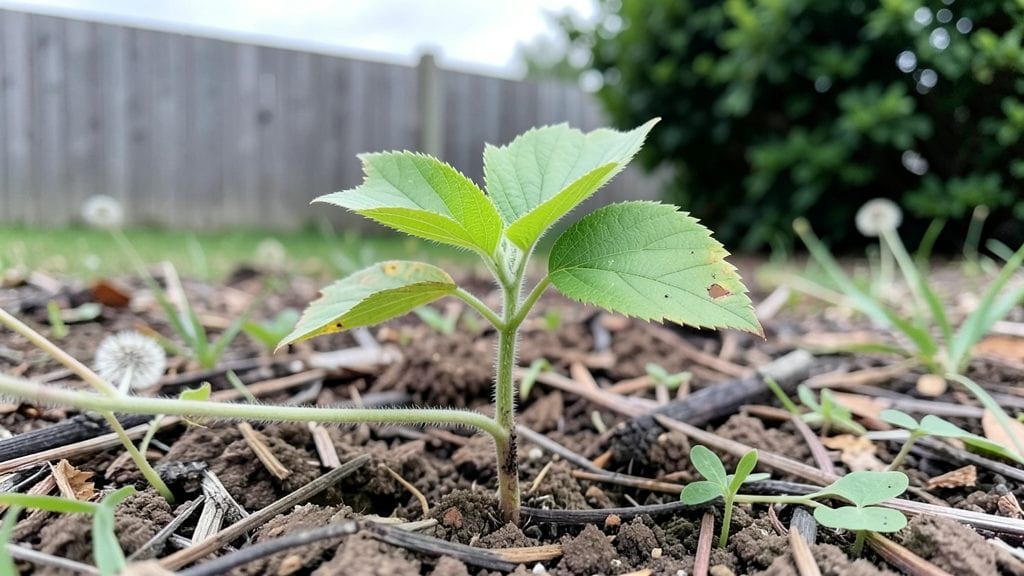
Removing poison ivy seedlings before they spread is the only way to keep your garden safe. 🌿 I learned the hard way—those tiny sprouts turn into a nightmare if you ignore them, and chemical sprays aren’t the answer.
The good news? You can pull them out in minutes with the right approach, no gloves required (well, maybe one pair).
First, spot the difference: poison ivy seedlings have smooth stems with three leaflets and a pointed middle leaf. If you see those, act fast—digging them out by the roots is the most reliable method.
A trowel works best, but a sturdy fork does the job too. The deeper you go, the less likely they’ll regrow.
Once you’ve pulled them, don’t toss them near your garden—they can sprout again. Seal them in a plastic bag and throw them away. Smothering them with thick mulch is another trick, but only if you catch them early. Your skin will thank you later.
Pro tip: wear long sleeves and wash your hands after handling, just in case. This method works for small patches—if your yard is already overrun, we’ll tackle that next. Let’s get those seedlings gone for good.
How Young Plants Trigger Reactions
Seedlings of poison ivy (Toxicodendron radicans) may seem harmless due to their small size, but they pack the same itchy, blistering punch as mature plants. Understanding the science behind why these tiny troublemakers cause reactions helps you stay safe and remove them effectively.
Here’s why they’re so problematic—and how to avoid their traps.
Poison ivy seedlings produce urushiol oil, the same irritant found in mature plants. This oily resin is stored in all parts of the plant—leaves, stems, roots, and even the sap—and triggers an allergic reaction in most people.
The key difference with seedlings? Their thin, delicate skin makes the oil easier to crush and spread when disturbed.
- Why it matters: A single broken seedling can release urushiol onto tools, clothing, or skin, creating a chain reaction of contamination.
- Actionable tip: Always wear heavy-duty gloves and long sleeves when handling seedlings—no exceptions!
Seedlings often go unnoticed because they blend into grass or low vegetation, but their aggressive root systems make them dangerous. Unlike mature vines, which climb trees, young poison ivy spreads horizontally, sending out rhizomes (underground stems) that can sprout new plants within feet of the original seedling.
- Why it matters: Pulling a seedling without removing the root can leave behind a "sleeping" plant that regrows—sometimes with more urushiol than before.
- Actionable tip: Dig at least 6 inches deep around the base to sever hidden roots. A dandelion digger works well for stubborn seedlings.
Urushiol oil becomes more potent and spreadable under certain conditions, especially during:
| Season | Risk Factor | Why It Happens |
|---|---|---|
| Spring | ⚠️ High | Warmer temps and rain boost urushiol production in seedlings, making them stickier and harder to remove cleanly. |
| Fall | ⚠️ High | Crushed leaves release urushiol into the air as dust or smoke—a hidden hazard when raking or burning debris. |
| Winter | ❄️ Low (but still risky) | Frozen plants may seem safe, but thawing can reactivate urushiol in sap or dead foliage. |
Actionable tip: Remove seedlings on dry, cool days (early morning or late afternoon) to minimize oil spread. Avoid working during high humidity or after rain.
The #1 reason seedlings cause reactions is accidental exposure. Urushiol is odorless and invisible, so people often unknowingly:
- ✅ Touch a seedling, then scratch their eye (leading to swelling).
- ✅ Use contaminated tools (like shears or gloves) on other plants or pets.
- ✅ Wash clothes with urushiol residue, spreading oil to laundry machines.
Actionable tip: Follow the 3-step decontamination protocol after handling seedlings:
- Rinse skin with cool water (not hot) for 10–15 minutes.
- Wash with soap (like Tecnu or dish soap).
- Clean tools/clothing with rubbing alcohol or bleach solution (1 part bleach to 10 parts water).
Quick Fixes for Young Poison Ivy
Removing seedling poison ivy before it spreads is key to preventing a full-blown infestation. The good news? You don’t need harsh chemicals to tackle these tiny troublemakers.
Below are practical, chemical-free solutions tailored to the root causes—whether it’s new sprouts, stubborn clusters, or prevention—so you can reclaim your yard safely and efficiently.
Cause: Seedlings pop up in disturbed soil, garden beds, or along fences. Fix: Act fast—young plants are easiest to pull by hand.
- 🧤 Gear Up First
- Wear long sleeves, gloves, and closed-toe shoes (even a lightweight coverall helps).
- A damp cloth over your face can filter airborne oils if you’re near dense patches.
- 🌿 Pull or Dig Them Out - For single stems: Grasp the base (where the roots meet the soil) and twist gently to dislodge the entire root.
A small trowel can help loosen stubborn ones. - For clusters: Use a hand fork or weeding tool to pry them out in groups. Avoid breaking stems—this can spread the plant via root fragments.
- 🔥 Dispose of Safely
- Bag them immediately in a sealed plastic bag (double-bag for extra security).
- Never compost—the oils can linger and reinfect your soil. Toss in the trash or burn (if local laws allow).
- 💡 Pro Tip: Work on a dry, sunny day. Damp soil makes roots slippery, increasing the chance of breaking stems.
Cause: Missed seedlings grow into thicker patches that resist pulling. Fix: Starve them of sunlight and air to weaken their hold.
- 📦 Cover with Cardboard or Mulch
- Lay thick cardboard (no tape or staples) or landscape fabric over the area.
- Top with 3–4 inches of mulch (wood chips or straw work best). This blocks light and kills seedlings in 2–4 weeks.
- 💧 Vinegar Spray (For Small Patches)
- Mix 1 gallon of white vinegar + 1 cup dish soap + 2 tbsp salt in a spray bottle.
- Spray directly on leaves (avoid desirable plants—vinegar is non-selective).
- Reapply every 3–4 days until seedlings wilt and die (usually 7–10 days).
- 🌡️ Solarization (For Large Areas)
- Cover the infested soil with clear plastic sheeting and secure the edges.
- Leave for 4–6 weeks in hot sun (temperatures inside should reach 104°F+).
- This kills seeds and roots without chemicals.
Cause: Poison ivy seeds can lie dormant for years, waiting for the right conditions. Fix: Break the cycle with these long-term strategies.
- 🌱 Improve Soil Health
- Aerate compacted soil with a garden fork to discourage seed germination.
- Add compost or mulch to outcompete weeds naturally.
- 🌿 Block Light and Moisture
- Plant dense ground covers (like clover or creeping thyme) to shade the soil.
- Reduce watering in problem areas—poison ivy thrives in moist conditions.
- 🔍 Monitor and Repeat
- Check weekly for new seedlings, especially after rain or disturbances (like digging).
- Mark hotspots with flags or spray paint to stay vigilant.
- ✨ Bonus Prevention Hack
- Spray bare soil with a corn gluten meal (natural pre-emergent herbicide) in early spring. It inhibits seed germination for up to 3 months.
- ❌ Don’t burn piles of poison ivy—smoke carries urushiol (the irritant) and can spread it.
- ❌ Avoid mowing over seedlings—this can chop stems into pieces, creating more plants.
- ❌ Don’t use bare hands—even dead plants can cause rashes if oils remain on skin.
By tackling seedlings early and methodically, you can eliminate poison ivy without chemicals and keep your yard safe for years. Stay proactive, and those pesky sprouts won’t stand a chance! 🚫🌿
Frequently asked questions
How can I tell if a young plant is poison ivy?
Look for three shiny leaflets with smooth edges and a pointed middle leaf. Seedlings often grow in clusters near fences or disturbed soil. The leaves may have a reddish tint when young, and the stems are hairless. Compare it to other plants—poison ivy lacks the jagged edges of boxelder or the seven-leaf clusters of Virginia creeper.
Can I remove poison ivy seedlings with my bare hands?
No—always wear heavy-duty gloves and long sleeves. The urushiol oil in seedlings can cling to skin and spread even when the plant appears dead. Use a trowel or fork to dig out roots, then wash hands and tools with soap and water immediately. Double-bag the plants before disposal to prevent reinfestation.
What’s the best time of year to remove poison ivy seedlings?
Target them in early spring or late fall when they’re small and before they spread. Avoid removing them after rain—soil is slippery, increasing the risk of breaking stems (which spreads the plant). Work on dry, sunny days to minimize oil spread, and always wear protective gear. Never burn piles of poison ivy—the smoke carries urushiol and can cause reactions.
Will vinegar kill poison ivy seedlings?
Yes, but it requires consistent application. Mix 1 gallon of white vinegar + 1 cup dish soap + 2 tbsp salt and spray directly on leaves. Reapply every 3–4 days until seedlings wilt (usually 7–10 days). Vinegar works best on small patches—it’s non-selective, so avoid spraying desirable plants. For larger areas, mulching or solarization (clear plastic sheeting) is more effective.
What should I do if I accidentally touch a poison ivy seedling?
Rinse skin with cool water immediately (not hot) for 10–15 minutes, then wash with soap and water. Use Tecnu or dish soap if available. Avoid scratching—this can spread the oil deeper into skin. Monitor for itching or redness over the next 24–48 hours. If symptoms appear, apply a cool compress or over-the-counter hydrocortisone cream. Seek medical help if blisters form.