
Lawn
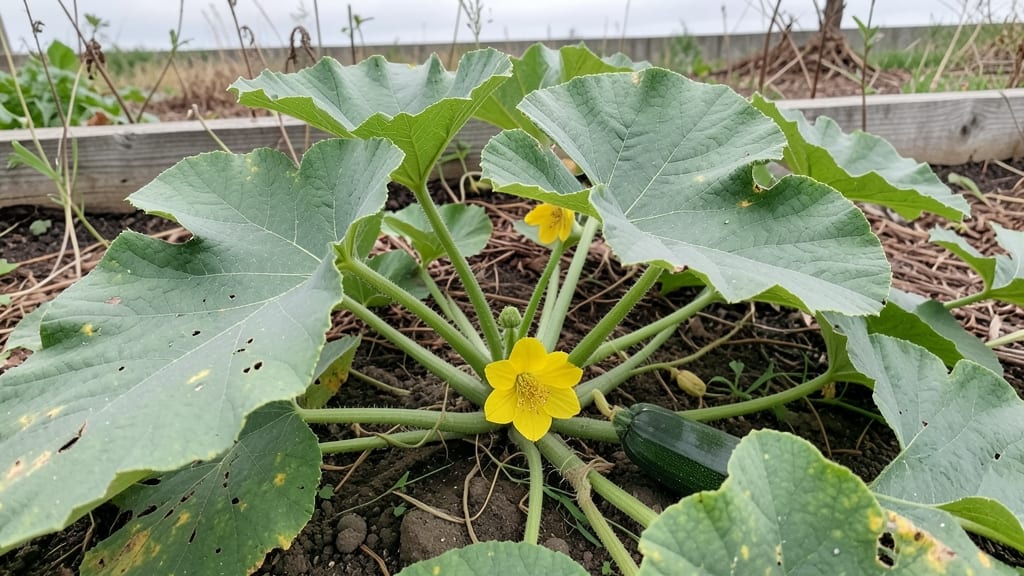
Mastering squash seed identification is the first step to avoiding garden disasters—and trust me, you don’t want a patch of toxic vines where your butternut squash should be. 🌱 I’ve spent years sorting through seed packets, and the key is looking at shape, color, and even the way seeds are labeled.
A single misidentified seed can turn your summer harvest into a science experiment you don’t want to repeat.
Most edible squash seeds—like zucchini, acorn, or pumpkin—are flat, oval, and smooth, with colors ranging from white to dark brown. Toxic lookalikes, such as those from Cucurbita foetidissima (stink squash), often have rough textures or odd shapes.
Always check the seed packet for variety names and growing zones—this alone cuts mistakes in half. A magnifying glass helps spot tiny markings or ridges that distinguish heirlooms from hybrids.
Once you master the basics, you’ll spot the right seeds instantly. Imagine pulling a perfect butternut squash from your garden in October, knowing you planted the right variety from the start.
The confidence grows with practice, and soon you’ll recognize seeds by sight—no more guessing games. Here’s how to start identifying them like a pro.
This skill pays off in every season, from summer zucchini to winter storage squash. A little upfront attention now means fewer surprises—and more harvests—later. Let’s break down the visual clues so you can grow with confidence.
📚 In This Guide
- What you need
- Instructions
- Tips and common mistakes
- Wrapping up and next steps
What you need
- ● Fresh or dried squash seeds: Collect seeds from squash varieties you suspect may be edible or toxic (e.g., Cucurbita pepo, C. moschata, or C. maxima). Aim for at least 10-15 seeds per variety for reliable testing.
- ● Magnifying glass (10x or higher): Essential for examining fine details like seed shape, color, and surface texture.
- ● Ruler or caliper: Measures seed size (edible squash seeds typically range from 0.25–0.75 inches in length).
- ● White or light-colored background: A tray, plate, or even printer paper helps highlight seed colors and patterns.
- ● Field guide or reference book: A botanical guide to squash varieties (e.g., Norton’s Field Guide to Edible Wild Plants) for cross-referencing features.
- ● Notebook and pen: Document observations like seed shape, color, and any distinguishing marks.
- ○ Safety gloves (optional but recommended): Protects hands from potential irritants or unknown toxins.
- ● Digital camera or smartphone: Capture high-resolution images for later comparison with trusted sources.
- ● Seed dissection kit: Includes tweezers and a scalpel for examining internal seed structures (e.g., cotyledon shape).
- ● pH test strips: Some toxic seeds (like those from Cucurbita foetidissima) may have distinct chemical properties.
- ● Local gardening forum or expert: Connect with experienced growers for second opinions on tricky identifications.
How to tell edible squash seeds apart from toxic look-alikes
Here's how to spot the key differences—no guesswork, just visual cues that keep your harvest safe.
🌱 Step 1: Examine Seed Shape and Size
Edible squash seeds—like those from zucchini, butternut, or pumpkin—are typically flat, oval, and ¼ to ½ inch long. They often have a smooth, slightly ribbed surface with a pale tan or off-white color. Hold a seed between your fingers: if it feels lightweight and thin, it’s likely safe.
Toxic look-alikes, like those from the deadly nightshade family, are usually rounder, smaller, and more spherical. They may also have a dull, matte finish rather than the slight sheen of edible seeds. Never eat seeds that feel dense or heavy for their size—that’s your first red flag.
🌿 Step 2: Check for Color Patterns
Edible squash seeds often have a uniform color with subtle mottling or stripes. For example, pumpkin seeds might have faint brown streaks, while zucchini seeds are usually a consistent tan. Hold the seed up to natural light—if it glows with a soft, even hue, it’s a good sign.
Toxic seeds, on the other hand, may have unusual dark spots, streaks, or irregular patches. Some dangerous varieties even develop a greenish tint when exposed to light. If you spot anything beyond natural shading, discard it immediately—no risk is worth a bite.
✂️ Step 3: Inspect the Seed Coating
Edible squash seeds have a thin, papery coating that rubs off easily between your fingers. If you gently press the seed and feel a slightly rough but smooth texture, it’s likely safe. This coating protects the seed until germination and is harmless when cooked.
Toxic seeds often have a thicker, waxy, or sticky residue. Run your thumb over the surface—if it feels gummy or leaves a residue on your skin, that’s a warning sign. Some dangerous seeds also emit a bitter or chemical-like odor when crushed. Trust your nose: if it smells off, it’s not edible.
🪴 Step 4: Compare with Known Safe Samples
If you’re still unsure, compare suspicious seeds with a verified safe sample from a trusted source. Place both seeds side by side under good lighting—edible seeds will match in shape, size, and color. I always keep a small jar of labeled seeds from my last harvest for quick reference.
When in doubt, throw it out. Toxic seeds can cause severe illness, and even small amounts should never be consumed. If you’re foraging or unsure of the source, avoid eating any seeds unless you’ve confirmed their safety through multiple checks.
⏰ Step 5: Research the Source Plant
If you’re identifying seeds from a wild or unknown plant, research the leaf shape, vine structure, and fruit type first. Edible squash plants have large, lobed leaves and tendrils, while toxic look-alikes may have smooth, heart-shaped leaves or thorns. Take a photo of the entire plant before handling seeds.
Cross-reference your findings with a reputable gardening or foraging guide. Online databases like the USDA’s Plant Database or local extension services can confirm whether the plant is safe. When in doubt, consult an expert—your health isn’t worth a gamble.
Tips & tricks for perfect squash seed identification
Here's what I've learned after years of sorting seeds—these tricks will help you spot the difference between safe and dangerous varieties with confidence.
Lighting is Your Best Friend: Natural daylight is the gold standard for seed inspection. Place seeds on a white surface near a window—this eliminates color distortion and makes subtle differences in sheen or texture immediately obvious. I keep a small magnifying glass handy for close-up checks, especially when examining seed coatings. Artificial light can cast shadows that hide important details, like those faint brown streaks on pumpkin seeds that indicate edibility.
Texture Test That Works: The papery coating on edible squash seeds should rub off easily between your fingers, leaving a faint residue. I learned this the hard way after accidentally crushing a seed that left a sticky film—turns out it was from a toxic look-alike. For a quick test, gently press the seed between your thumb and forefinger. Edible seeds will feel slightly rough but smooth, while toxic ones often have a waxy or gummy texture that sticks to your skin.
Size Comparison Hack: If you're still unsure after checking shape and texture, use a standard reference. A quarter is about ½ inch wide—the same length as most edible squash seeds. Place seeds next to the coin to instantly see if they fall within the safe size range. I keep a jar of known-safe seeds from my garden labeled "Reference" for exactly this purpose. This visual cue removes guesswork when sizes are similar.
Safety First with Unknown Plants: When dealing with wild plants, never rely solely on seed appearance. Always examine the entire plant structure first. I've seen cases where seeds looked identical to edible varieties but came from plants with smooth leaves or thorns—classic signs of toxic look-alikes. Take photos of the plant from multiple angles before handling seeds, and cross-reference with local foraging guides. When in doubt, consult your county extension office—they often have plant databases with high-resolution images.
Pro Tips for Squash Seed Identification
- Here's what I've learned after years of sorting seeds—these tricks will help you spot the difference between safe and dangerous varieties with confidence.
- Lighting is Your Best Friend: Natural daylight is the gold standard for seed inspection.
- Texture Test That Works: The papery coating on edible squash seeds should rub off easily between your fingers, leaving a faint residue.
Frequently asked questions
Got questions about squash seed identification? You’re not alone! Here are some of the most common concerns—plus quick, actionable answers to keep you safe in the garden.
How do I tell if a squash seed is edible or poisonous just by looking at it?
Edible squash seeds (like those from butternut, acorn, or pumpkin) are flat, oval, and white or light tan. Toxic seeds (e.g., from Cucurbita foetidissima) are smaller, darker, or have a bitter taste. Always cross-reference with the plant’s leaves and fruit—if in doubt, don’t eat it!
When is the best time to harvest squash seeds for planting or eating?
Harvest seeds when the squash is fully mature and the skin turns hard (for winter squash) or soft (for summer squash). Scoop out seeds with a spoon, rinse them, and let them dry on a paper towel for 3–5 days in a warm, dark spot. For eating, roast them when fresh—no drying needed!
Can I use store-bought squash seeds for planting, or do I need to save my own?
Yes! Store-bought seeds are fine for planting, but save your own for heirloom varieties to ensure flavor and traits match your garden. Just ensure they’re from a trusted source—never use seeds from wild or unidentified squash.
What should I do if I accidentally eat a toxic squash seed?
Toxic seeds (like those from Cucurbita foetidissima) can cause nausea or vomiting. If you suspect poisoning, seek medical help immediately. Keep a photo of your garden’s squash plants handy to describe the plant to professionals.
Are there any squash varieties that are completely safe to eat, seeds and all?
Yes! Butternut, acorn, and pumpkin seeds are edible and nutritious. Even zucchini seeds are safe when cooked. Just avoid bitter-tasting or wild-looking squash—when in doubt, taste a tiny bit first (and spit it out if it’s bitter!).
Wrapping up and next steps
Mastering squash seed identification is a game-changer—whether you're a gardener, forager, or just curious about nature! 🌱 By now, you’ve learned to spot the key differences between edible and toxic varieties, ensuring your harvests are safe and delicious. Remember: always cross-check with reliable sources, and when in doubt, avoid consumption.
Ready to put your skills to the test? Start by planting a few seeds in your garden—grow your own squash with confidence! Or, if you’re feeling adventurous, take a guided foraging walk with a local expert. Every expert was once a beginner—your knowledge is growing just like your plants! 🌟