
Vegetables
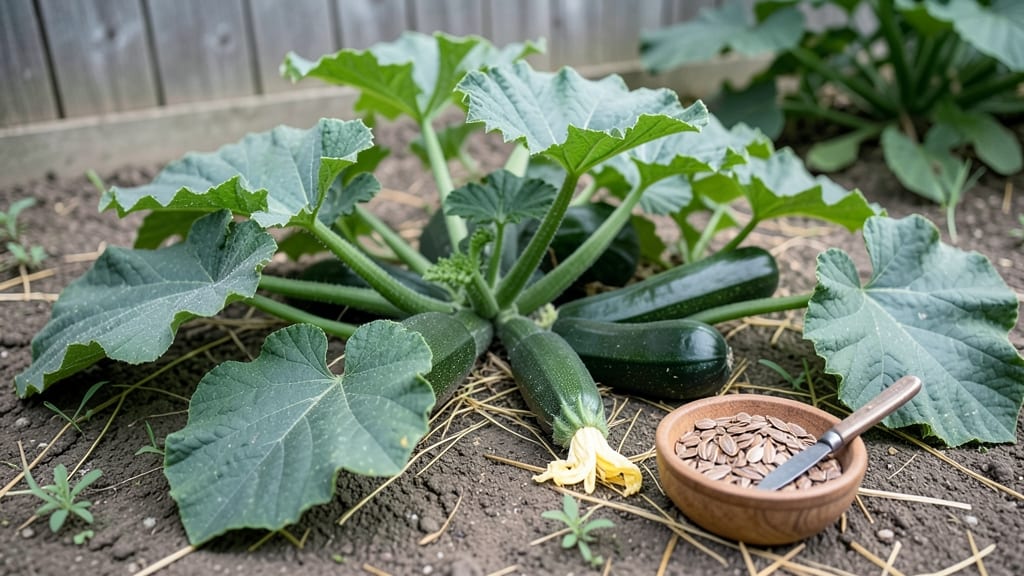
Saving zucchini seeds 🎃 from your summer harvest lets you grow heirloom-quality plants next year—and it’s easier than you’d think.
Did you know that skipping the store-bought seeds means your garden will thrive with plants that adapt perfectly to your climate? But timing is everything—harvest too early, and the seeds won’t germinate; wait too long, and they’ll spoil.
The key is knowing when to pull those yellowing fruits and how to process the seeds right.
Whether you’re a seasoned gardener or just starting, this step-by-step guide covers everything from picking the right zucchini to drying and storing seeds for years to come. No more guessing—just reliable, homegrown plants that taste like summer.
Ready to cut costs and grow stronger zucchini? Let’s dive into the simple techniques that turn this year’s harvest into next year’s garden gold.
When and how to harvest zucchini seeds from ripe fruits
Saving zucchini seeds from your garden is a rewarding way to preserve heirloom varieties and cut costs next season. The key is knowing when to harvest—not when the fruit is edible but when it’s fully mature and ready to release seeds.
This usually happens when the zucchini turns yellow and the skin becomes tough, signaling the seeds inside have reached peak viability. If you miss this window, the seeds may spoil or lose germination potential.
Timing is everything: harvest seeds too early, and they’re underdeveloped; wait too long, and they’ll ferment or attract pests. The ideal time is when the fruit’s skin turns from green to yellow, and the stem end dries out.
This typically occurs 40-60 days after flowering, depending on your climate. Once you spot these signs, it’s time to act—zucchini seeds degrade quickly once the fruit overripens.
Step-by-Step Guide to Harvesting Zucchini Seeds
- Step 1: Select the Right Fruit
Choose 3-5 fully yellow zucchini with no soft spots or bruises. Avoid fruits that have been damaged by pests or disease, as this can compromise seed quality.
- Step 2: Scoop Out the Seeds
Cut the zucchini in half lengthwise and use a spoon to scrape the gelatinous seed pulp into a bowl. Discard the flesh—only the seeds and surrounding mucilage matter.
- Step 3: Ferment the Seeds (Critical Step!)
Place the seed pulp in a clean jar and cover it with water. Let it ferment for 3-5 days at room temperature. This removes the bitter coating around seeds, improving germination rates.
- Step 4: Rinse and Dry
After fermentation, strain the seeds through a fine mesh sieve and rinse them thoroughly with water. Spread them on a paper towel or seed drying screen in a warm, dry place (70-80°F) for 3-5 days.
- Step 5: Test for Viability
Once dry, press a seed between your fingers—it should feel hard and crunchy. Discard any seeds that are soft, shriveled, or discolored. Store viable seeds in a paper envelope in a cool, dark place for up to 5 years.
Identifying viable seeds is just as important as harvesting them. Healthy seeds should be plump, dark-colored (usually white or cream), and free of cracks or mold. If you notice musty smells or black spots during drying, toss those seeds—they’re spoiled.
Pro tip: store seeds in paper envelopes (not plastic) to prevent moisture buildup, which can lead to mold.
Another common mistake? Harvesting seeds from hybrid zucchini varieties. If you’re unsure whether your plant is heirloom or hybrid, assume it’s hybrid—these seeds won’t grow true to type.
Stick to open-pollinated varieties like ‘Black Beauty’ or ‘Gold Rush’ for reliable seed-saving results. Always label your seeds with the variety name and harvest year to avoid confusion later.
Cross-pollination can also ruin your seed purity. Zucchini plants are heavily self-pollinating, but nearby pumpkins or squash can cross-breed. To minimize risks, plant 10+ feet away from other cucurbits or isolate your zucchini patch with a pollination barrier (like row covers) if you’re saving seeds for breeding.
Once your seeds are dry and stored, test a few before planting. Place 10 seeds on a damp paper towel in a sealed bag and keep them warm for a week. If 80% or more sprout, your seeds are viable.
If germination is low, try storing them in the fridge for a month to break dormancy—sometimes seeds just need a little extra encouragement to wake up!
Harvesting zucchini seeds is a small effort with big payoffs. Not only do you save money, but you also ensure your garden grows heirloom-quality produce year after year. Just remember: yellow fruit, fermentation, and patience are your best friends in the seed-saving process. Happy harvesting!
Best methods for cleaning, drying, and storing zucchini seeds long-term
Once you’ve harvested your zucchini seeds from ripe fruits, the next critical steps are cleaning, drying, and proper storage. These processes ensure your seeds remain viable for planting next season.
Skipping these steps can lead to mold, poor germination, or wasted effort. Let’s dive into the best practices to maximize your seed-saving success.
First, fermenting the seeds in water for 24-48 hours removes the gelatinous coating that clings to them. This step also helps separate viable seeds from spoiled ones. Simply place the seeds in a jar of water, stir occasionally, and discard any seeds that float or develop mold.
This method mimics natural decomposition and ensures only the healthiest seeds survive.
| Method | Process | Time Required | Best For |
|---|---|---|---|
| Fermentation | Soak seeds in water for 24-48 hours, stir daily, discard moldy/floating seeds | 1-2 days | Removing gelatinous coating |
| Air Drying | Spread seeds on a screen or paper towel in a shady, well-ventilated area | 5-7 days | Preventing mold and humidity damage |
| Oven Drying | Dry seeds at 100-110°F for 1-2 hours, stir occasionally | 1-2 hours | Faster drying in humid climates |
After fermentation, drying is key to preventing mold. Spread the cleaned seeds on a paper towel or screen mesh in a cool, dry, and well-ventilated area. Avoid direct sunlight, which can overheat and damage the seeds.
Aim for a humidity level below 40% to ensure even drying. This process typically takes 5-7 days, but monitor daily for moisture.
For storage, choose airtight containers like paper envelopes or glass jars with silica gel packets to absorb moisture. Label each container with the variety name and harvest year to avoid confusion.
Store seeds in a cool, dark place, such as a refrigerator or seed vault, where temperatures stay between 32-41°F. Properly stored zucchini seeds can remain viable for 3-5 years.
Before planting, test seed viability by placing a few in a moist paper towel for 48 hours. If most seeds sprout, they’re ready to use. If fewer than 70% sprout, consider treating them with a seed germination enhancer or sourcing fresh seeds.
This simple test saves time and ensures a successful garden next season.
Remember, humidity and temperature are your enemies during storage. Even slight moisture can trigger mold, while heat accelerates seed degradation. By following these steps, you’ll preserve your heirloom zucchini seeds and enjoy a thriving garden for years to come. Happy seed saving!