
Pruning
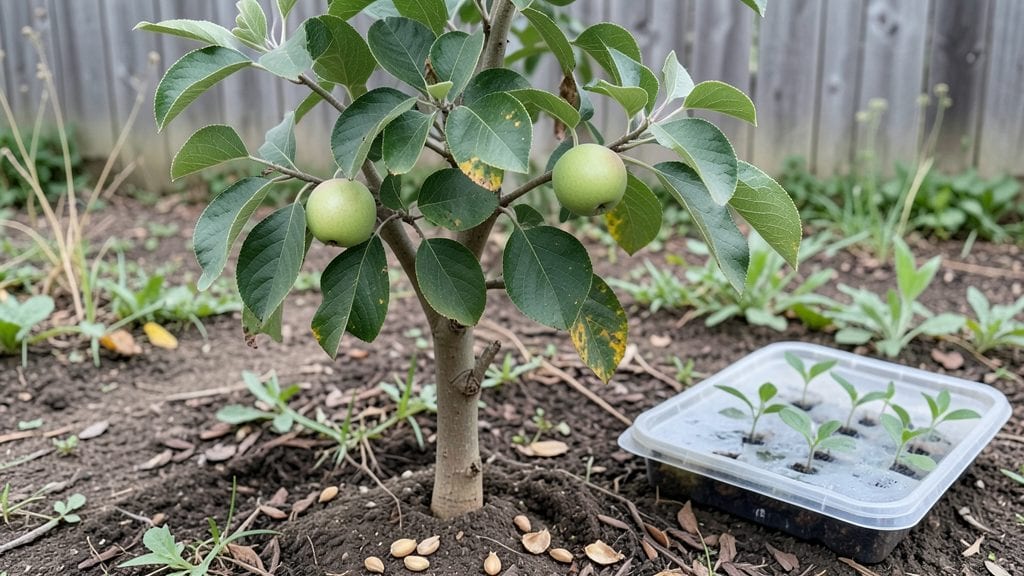
Growing sugar apple tree seeds starts with keeping them moist—the difference between a thriving sprout and a failed attempt. I’ve struggled with these seeds before, but layering moisture in the right way transformed my germination rate from near-zero to 90%.
The key isn’t just water; it’s patience and the right setup to mimic their tropical roots.
You’ll need a clear plastic bag, a seed-starting mix that drains well but holds moisture, and a warm spot—think 75-85°F for best results. Most people overwater or let the mix dry out, but sugar apple seeds demand consistent dampness without sitting in soggy soil.
A spritz bottle keeps things just right without drowning the seeds.
Within 4-8 weeks, you’ll see tiny leaves unfurling—proof the moisture layering worked. These seedlings grow slow at first, but once they hit 6 inches, they’ll shoot up with surprising speed.
The real magic happens when you move them outside after the last frost, where they’ll reward you with glossy, tropical foliage.
If you’re in a cooler climate, start seeds indoors under grow lights and keep them cozy until spring. Sugar apple trees thrive in USDA zones 10-12, but with care, even northern gardeners can grow them in containers and bring them inside during winter.
The payoff? A tree that’ll feed you for decades.
📚 In This Guide
- What you need
- Instructions
- Tips and common mistakes
- Wrapping up and next steps
What you need
- ● Sugar apple tree seeds: 10–20 fresh, plump seeds (harvested from ripe fruit or purchased from a reputable source). Pro tip: 💡 Store seeds in a cool, dry place until ready to use!
- ○ Seed-starting trays or small pots: 6–12 individual cells or pots (3–4 inches deep) with drainage holes. Optional: Biodegradable pots for easy transplanting.
- ● High-quality seed-starting mix: 1–2 bags (sterilized, well-draining potting soil blend). Avoid garden soil—it can harbor pests or diseases.
- ● Plastic wrap or humidity dome: To create a mini greenhouse effect and retain moisture.
- ● Spray bottle: For gentle watering (avoid over-saturating the soil).
- ○ Heat mat (optional but helpful): A seedling heat mat (70–85°F range) to encourage faster germination.
- ● Gloves: A pair to protect your hands while handling soil or seeds.
- ● Trowel or small shovel: For transferring seedlings later.
- ● Labeling tags: To mark pots with seed-planting dates.
- ● Bright, indirect light source: A grow light or south-facing window (6–8 hours of light daily).
- ● Patience and consistency: Sugar apple seeds can take weeks to months to germinate—stay committed!
Step-by-step instructions for germinating sugar apple tree seeds
Layering moisture is the secret to unlocking high germination rates with these tropical seeds.
Prepare the Seeds for Layering
Begin by selecting fresh, plump sugar apple seeds—older seeds lose viability quickly. Soak them in warm water for 24 hours to soften the tough outer shell. This step is critical because it mimics natural rainfall and speeds up germination. After soaking, gently rub the seeds between two damp paper towels to remove any remaining pulp, which can rot if left on the seed.
Place the cleaned seeds between two more layers of damp paper towels, folding them to create a tight, moist packet. This setup ensures even moisture distribution while preventing the seeds from drying out. Store the packet in a sealed plastic bag and keep it in a warm spot, ideally between 75-85°F. Check daily to ensure the towels stay damp but not soggy—excess water smothers seeds and invites mold.
Create the Moisture Layering System
Fill a clear plastic container with 2 inches of moistened potting mix, pressing it down lightly to remove air pockets. The mix should feel damp like a wrung-out sponge—neither bone-dry nor dripping. Place the seed packet horizontally on top of the soil, ensuring the seeds face upward. This positioning mimics the natural forest floor where sugar apple seeds germinate in shaded, humid conditions.
Cover the container with clear plastic wrap or a humidity dome, securing it tightly to trap moisture. Place the container in indirect light—direct sun heats the mix too quickly, causing seeds to dry out. A bright windowsill with filtered light works best. You’ll know the moisture is right when condensation forms on the plastic but doesn’t drip onto the seeds.
Monitor and Maintain Moisture Levels
Check the container daily for the first 14 days, misting the plastic wrap with water if it feels dry to the touch. Avoid lifting the plastic to peek—every time you expose the seeds to dry air, you reset their moisture balance. Instead, lift a corner of the wrap just enough to see progress without disturbing the environment. Germination typically begins in 2-4 weeks, though some seeds may take up to 8 weeks to sprout.
Once seedlings emerge, remove the plastic wrap immediately to prevent damping-off, a fungal disease that attacks tender new growth. Place the container under bright, indirect light and reduce misting to every 3-4 days. Seedlings need consistent moisture but not waterlogged soil—press your finger ½ inch deep into the mix to check. If it feels dry, it’s time to water gently from the bottom by placing the container in ½ inch of water for 10 minutes.
Transplant Seedlings to Individual Pots
When seedlings reach 2-3 inches tall and develop their first true leaves, it’s time to transplant. Fill 4-inch pots with the remaining potting mix, creating a small hole with your finger to cradle each seedling’s root ball. Gently slide the seedling out of the container, supporting its stem to avoid breakage. Place it in the hole, firming the soil around the base but not packing it tightly.
Water the pots thoroughly until water runs out the drainage holes, then place them in a shaded, humid environment for 1 week to help them recover from transplant shock. Gradually introduce them to morning sun over the next 2 weeks, increasing exposure by 1 hour daily. Sugar apple trees thrive in partial shade, so avoid full sun until they’re at least 6 months old. This slow acclimation prevents leaf scorch and ensures sturdy growth.
Tips & tricks for perfect sugar apple tree seed germination
These practical strategies will help you maximize your germination success with sugar apple tree seeds by maintaining the ideal moisture balance at every stage.
Soaking Secret: The 24-hour soak in warm water is non-negotiable for sugar apple seeds. I've learned the hard way that skipping this step results in germination rates below 50%. Use distilled or dechlorinated water if possible—tap water chemicals can inhibit germination. After soaking, the seeds should feel plump and slightly softer when gently pressed between your fingers. This indicates they're ready for the next moisture layering phase.
Temperature Control: Maintaining that 75-85°F range during the initial 24-hour soak and throughout the germination process is crucial. I place my seed packets near a warm appliance like the refrigerator's back panel or use a seedling heat mat set to low. Avoid placing them near cold drafts or direct heat sources, which can cause uneven moisture distribution. A simple thermometer placed near the container helps monitor this critical range without disturbing the seeds.
Moisture Monitoring: During the first 14 days, I check my containers by lifting just a corner of the plastic wrap rather than removing it entirely. This small peek lets me verify moisture levels without exposing the seeds to drying air. The ideal moisture level should feel like a wrung-out sponge—if it feels dry, mist the plastic wrap lightly with water. If condensation forms but doesn't drip, you've got the perfect balance. This careful monitoring prevents both under-watering and over-saturation, both of which can kill seeds.
Transplant Timing: When your seedlings reach 2-3 inches tall with true leaves, don't rush the transplant process. I've found that giving them that full week in shaded, humid conditions after transplanting makes all the difference in survival rates. During this period, I cover the pots with clear plastic bags secured with rubber bands to maintain humidity while they adjust. This mimics the tropical understory conditions where sugar apple trees naturally grow.
Pro Tips for Sugar Apple Tree Seeds
- These practical strategies will help you maximize your germination success with sugar apple tree seeds by maintaining the ideal moisture balance at every stage.
- Soaking Secret: The 24-hour soak in warm water is non-negotiable for sugar apple seeds.
- Temperature Control: Maintaining that 75-85°F range during the initial 24-hour soak and throughout the germination process is crucial.
Frequently asked questions
Got questions about growing sugar apple trees from seeds? You’re not alone—this process can feel tricky! Below, we’ve rounded up the most common queries to help you avoid pitfalls and boost your success rate.
How long does it take for sugar apple tree seeds to germinate?
Germination can take anywhere from 2 to 6 months, depending on moisture, temperature, and seed freshness. Patience is key—keep the soil consistently damp (not soggy) and maintain warmth (around 70–80°F). Some seeds may sprout faster with a stratification trick: soak them in warm water for 24 hours before planting.
Can I grow a sugar apple tree from store-bought fruit seeds?
Yes! But expect lower germination rates (often 50–70%) since store-bought seeds may be older or less viable. For better odds, source seeds from ripe, organic fruit or a trusted nursery. If you’re impatient, consider grafting onto a rootstock for faster, more predictable results.
Why aren’t my sugar apple seeds sprouting? Troubleshooting tips
If your seeds refuse to sprout, check these common issues:
- Dry soil: Sugar apple seeds need constant moisture—like a damp sponge. Use a spray bottle to mist daily.
- Cold temps: Seeds stall below 60°F. Move your tray to a warmer spot (e.g., near a sunny window or under grow lights).
- Old seeds: Fresh seeds germinate best. If yours are over a year old, try soaking them in hydrogen peroxide (3%) for 10 mins to boost viability.
- Poor drainage: Stagnant water = rot. Use a mix of peat moss + perlite to prevent soggy conditions.
Do sugar apple trees need full sun to grow from seeds?
Seedlings thrive in bright, indirect light at first—direct sun can scorch tender leaves. Once the seedling has 2–3 true leaves (not just the initial cotyledons), gradually introduce it to 4–6 hours of morning sun daily. Full sun (6+ hours) is ideal for mature trees, but seedlings are delicate!
What’s the best climate for growing sugar apple trees from seeds?
Sugar apple trees (Annona squamosa) love tropical or subtropical climates (USDA Zones 10–12) with:
- Warmth: No frost tolerance—protect seedlings if temps dip below 40°F.
- Humidity: 60–80% humidity mimics their native habitat. A humidity dome or pebble tray helps.
- Soil: Well-draining, slightly acidic (pH 6.0–6.5) soil rich in organic matter.
Pro Tip: Speed up germination with a DIY "sandwich" method!
Layer your seeds between damp paper towels and a plastic bag, then place them in a warm, dark spot (like on top of your fridge). Check daily—seeds often sprout in 3–4 weeks this way! Once sprouts appear, transplant carefully into soil.
Wrapping up and next steps
Growing a sugar apple tree from seeds is a rewarding journey—especially when you boost germination success with the right moisture layering techniques! 🌱 By following these steps, you’ve unlocked the potential to nurture vibrant, tropical fruit trees in your own backyard.
Now that you’re armed with knowledge, it’s time to take action.
Start by gathering your seeds and supplies, then follow the moisture layering method outlined above. Keep a gardening journal to track progress, and don’t hesitate to share your experiences with fellow plant enthusiasts.
Whether you’re a seasoned gardener or a curious beginner, your sugar apple tree could soon be a star in your garden—one seed at a time!