Vegetables
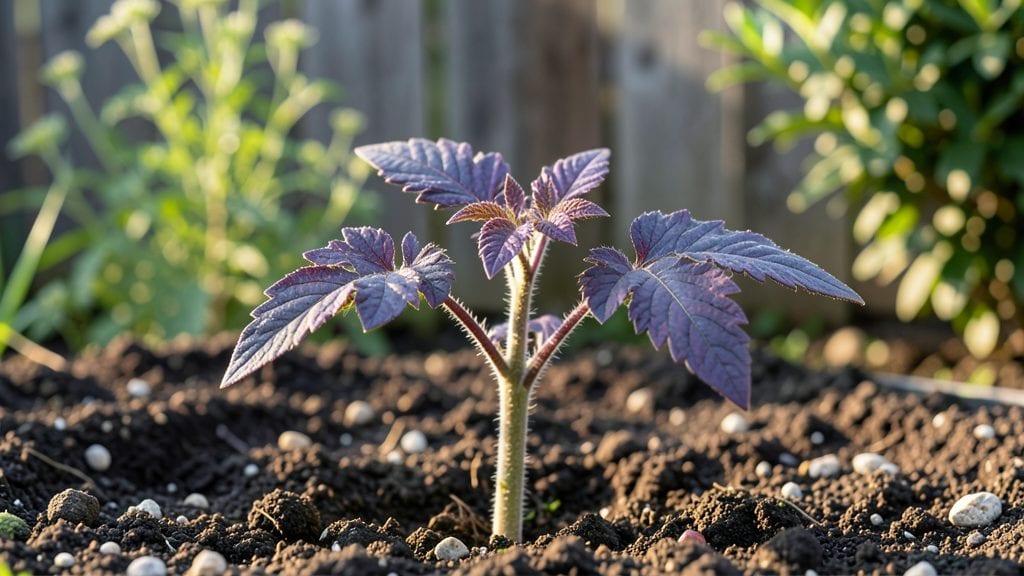
My tomato seedlings turned purple last spring, and I thought I'd lost them forever—until I discovered cold stratification could fix the problem. 🌱 The first time I saw those deep purple stems, I panicked, thinking it was a disease, but it was actually a phosphorus deficiency triggered by inconsistent temperatures.
Once I adjusted the soil and light, the seedlings bounced back stronger than ever, with vibrant green stems and lush foliage.
This isn't just about fixing purple seedlings—it's about understanding why it happens. Too much phosphorus, uneven light, or sudden temperature drops can all cause that telltale purple hue. The good news? A simple soil test and a few tweaks to your growing setup can prevent it.
I’ll walk you through the exact steps I used to revive my seedlings and keep them thriving, so you don’t have to guess what’s wrong.
By the end of this, you’ll know how to test your soil, adjust your fertilizer, and create the perfect environment for healthy seedlings. No more purple stems, no more wasted time—just strong, green plants ready for transplanting.
The key is acting fast and giving your seedlings the right conditions from day one.
This works for any tomato variety, whether you're growing heirlooms or hybrids, and it applies to both indoor and outdoor starts. Once you master cold stratification and soil balance, you’ll never have to worry about purple seedlings again. Let’s get those plants back to their vibrant best!
Root Causes Of Purple Seedlings
Discovering purple-tinged tomato seedlings can be alarming, but understanding the science behind it helps you take corrective action. Purple hues in young tomato plants are rarely a sign of disease—they’re usually a cry for help from your seedlings.
Let’s break down the most common reasons why your seedlings might be turning purple, along with the science that explains each cause.
Purple coloration in tomato seedlings is often a visual cue of nitrogen or phosphorus starvation. These essential nutrients are critical for healthy growth, and their absence triggers the production of anthocyanins—pigments that give plants their purple or red hues.
Think of it like a plant’s way of saying, “I’m hungry!”
- Nitrogen (N) Deficiency:
Nitrogen is the building block of chlorophyll, the green pigment responsible for photosynthesis. Without enough nitrogen, seedlings struggle to produce adequate chlorophyll, leading to stunted growth and purple stems or leaves. This deficiency often appears first in older leaves but can spread if unaddressed.
Actionable Fix: Use a balanced fertilizer (e.g., 10-10-10) or a nitrogen-rich amendment like composted manure. For seedlings, a diluted fish emulsion or seaweed extract can provide a quick nitrogen boost.
- Phosphorus (P) Deficiency:
Phosphorus is vital for energy transfer and root development. A lack of phosphorus can cause seedlings to develop dark purple or reddish stems and leaves, especially in cooler temperatures. This deficiency is common in seedlings because young plants have limited root systems to access nutrients from the soil.
Actionable Fix: Apply a phosphorus-rich fertilizer, such as bone meal or rock phosphate. For container seedlings, mix a slow-release phosphorus fertilizer into the growing medium at planting.
Tomato seedlings are tropical plants at heart and are highly sensitive to cold temperatures. When exposed to chilly conditions—especially below 50°F (10°C)—seedlings may produce anthocyanins as a protective measure. This pigment acts like sunscreen, shielding the plant from UV damage while it conserves energy.
- Cold Soil Temperatures:
If your seedlings are planted too early or the soil hasn’t warmed up, roots struggle to absorb nutrients efficiently. Cold stress can also disrupt nutrient uptake, leading to the same purple symptoms as a deficiency.
Actionable Fix: Use row covers, cold frames, or black plastic mulch to warm the soil. If starting indoors, ensure your seedling trays are placed in a warm, sunny spot (70–80°F or 21–27°C is ideal).
- Nighttime Chill:
Even if daytime temperatures are warm, cool nights (below 55°F or 13°C) can trigger purple coloration. This is especially true for heirloom or cold-sensitive varieties.
Actionable Fix: Move seedlings to a warmer location at night, such as a greenhouse or near a heat mat. For outdoor plants, use cloches or low tunnels to trap heat.
Water plays a crucial role in nutrient absorption, and imbalances can lead to purple seedlings. Both overwatering and underwatering can disrupt nutrient availability, causing stress that triggers anthocyanin production.
- Underwatering:
When seedlings don’t get enough water, their roots can’t access nutrients effectively. This leads to nutrient starvation, mimicking a deficiency. Purple stems or leaves may appear as the plant conserves energy.
Actionable Fix: Keep the growing medium consistently moist (not soggy) by watering at the base of the seedlings. Use a spray bottle for delicate seedlings to avoid disturbing the soil.
- Overwatering:
While less common, poor drainage or excessive moisture can suffocate roots, preventing them from absorbing nutrients. This can also lead to fungal issues, which may indirectly cause stress-related purple discoloration.
Actionable Fix: Ensure pots have drainage holes and use a well-draining soil mix (e.g., 60% potting soil, 30% perlite, 10% compost). Let the top inch of soil dry out between waterings.
Tomato seedlings thrive in bright, indirect light and adequate space. When these conditions aren’t met, seedlings may turn purple as they struggle to grow properly.
- Insufficient Light:
Weak or artificial light (like being too far from a grow light) can cause seedlings to stretch and become leggy. This weakens their ability to photosynthesize, leading to nutrient deficiencies and purple hues.
Actionable Fix: Provide 12–16 hours of light daily using a grow light (LED or fluorescent). Keep seedlings 2–3 inches away from the light source to avoid burning.
- Overcrowding:
Competition for nutrients and light in crowded trays can stress seedlings, causing them to turn purple. Roots may also become tangled, further limiting nutrient uptake.
Actionable Fix: Thin seedlings to 1–2 inches apart in trays or transplant them into individual pots once they develop their first true leaves. This gives roots room to expand and access more nutrients.
Tomatoes prefer a slightly acidic to neutral soil pH (6.0–7.0). If the pH is too high (alkaline) or too low (acidic), nutrients like nitrogen, phosphorus, and iron become unavailable to the plant, even if they’re present in the soil.
This can lead to purple discoloration as seedlings struggle to access essential elements.
- High pH (Alkaline Soil):
In alkaline conditions (pH > 7.0), nutrients like phosphorus, iron, and manganese bind to soil particles and become inaccessible. Seedlings may show purple hues as they starve for these critical elements.
Actionable Fix: Test your soil pH with a kit. If it’s too high, amend with sulfur or peat moss to lower it gradually. Avoid quick fixes like vinegar, which can harm seedlings.
- Low pH (Acidic Soil):
While less common, overly acidic soil (pH < 5.5) can also lock out nutrients like calcium and magnesium. This can stress seedlings and trigger purple coloration.
Actionable Fix: Raise the pH by adding lime or wood ash. Test the soil again after amending to ensure the pH is within the ideal range.
Fixing Purple Seedlings Naturally
Now that you understand why your tomato seedlings are turning purple—whether from cold stress, nutrient deficiencies, or environmental factors—it’s time to turn things around. The good news? Most of these issues are reversible with simple, garden-friendly fixes.
Below, we’ll break down cause-specific solutions and share prevention tips to keep your seedlings lush and green from the start.
If your seedlings are purple due to chilly temperatures (especially after cold stratification), they need gentle warmth and protection to recover.
🔥 Step 1: Move to a Warmer Spot
- Indoors? Place seedlings near a south-facing window or under grow lights (60–70°F is ideal).
- Outdoors? Use a mini greenhouse, cold frame, or row covers to trap heat.
- Avoid sudden heat shocks—gradually acclimate them over 1–2 days.
🌡️ Step 2: Regulate Temperature Consistency
- Daytime: 70–75°F (ideal for germination).
- Nighttime: No lower than 55°F (prevents stunting).
- Use a heat mat (set to 70°F) if seedlings are on a cool windowsill.
💡 Pro Tip:
If your seedlings were over-chilled during stratification, soak the soil in lukewarm water (not hot!) to jumpstart root activity. Purple leaves should fade within 3–5 days of stable warmth.
Purple stems or leaves often signal phosphorus or nitrogen shortages. Here’s how to correct it without overdoing fertilizers.
🍳 Step 1: Test Your Soil (Quick & Easy)
- DIY test: Moisten soil with water, then add a pinch of Epsom salt (magnesium sulfate) or baking soda (for calcium).
If purple persists, it’s likely nitrogen or phosphorus. - Store-bought test kits (like Luster Leaf) give precise readings in minutes.
👨🍳 Step 2: Apply the Right Fertilizer
| Deficiency | Fix It With | How to Apply |
|---|---|---|
| Nitrogen (Pale Purple) | Diluted fish emulsion or alfalfa meal | Mix 1 tbsp per gallon of water; water seedlings at soil level. |
| Phosphorus (Deep Purple) | Bone meal or rock phosphate | Sprinkle 1 tsp around seedlings, then water lightly. |
| Magnesium (Yellow Edges) | Epsom salt (1 tbsp per gallon) | Spray foliage or water soil (avoid overuse). |
| Calcium (Blossom End Rot Risk) | Crushed eggshells or lime | Crush eggshells into powder; mix into soil. |
⏰ Step 3: Wait & Monitor
- Purple should fade within 5–7 days if the issue was nutrient-related.
- Avoid over-fertilizing—young seedlings are sensitive to salt buildup.
If purple stems are due to light, wind, or transplant shock, these tweaks will help.
☀️ Step 1: Optimize Light Exposure
- Too little light? Move seedlings closer to grow lights (12–16 hours/day).
- Too much direct sun? Provide light shade cloth (30–50% coverage) to prevent stress.
- Leggy seedlings? Prune the top set of leaves to encourage bushier growth.
🌬️ Step 2: Protect from Wind & Drafts
- Outdoor seedlings? Use stakes or cages to stabilize them.
- Indoor seedlings? Keep them away from AC vents, fans, or open windows.
- Transplant shock? Water deeply before and after moving to reduce stress.
🎯 Prevention Tip:
Hardening off seedlings gradually (5–7 days before transplanting) prevents purple from shock. Start with 2 hours outside, then increase daily.
If purple is spotted, mushy, or accompanied by wilting, it could be fungal or bacterial infection (like Fusarium or Verticillium wilt).
🔪 Step 1: Isolate Affected Seedlings
- Remove and dispose of severely infected plants in the trash (not compost).
- Do not reuse contaminated soil—sterilize pots with bleach solution (1:10 ratio) or baking soda soak.
🌡️ Step 2: Treat with Fungicide
- Preventative spray: Mix 1 tsp neem oil + 1 tsp baking soda + 1 quart water. Spray every 7–10 days.
- Copper-based fungicides (like Copper Soap) work for bacterial issues.
✨ Prevention Tip:
- Sterilize tools between uses with rubbing alcohol.
- Rotate crops yearly to prevent soil-borne diseases.
To keep your tomato seedlings vibrant and green, follow these grower-approved tips: ✅ Start seeds indoors 6–8 weeks before last frost (avoids early cold stress). ✅ Use well-draining soil (mix potting soil + perlite + compost). ✅ Maintain consistent moisture—neither soggy nor bone-dry. ✅ Avoid overcrowding—thin seedlings to 2–3 inches apart for airflow. ✅ Monitor temps—keep seedlings above 55°F at all times.
With these fixes, your purple seedlings should bounce back to healthy green in no time—setting you up for bountiful, disease-resistant tomato plants come harvest season! 🍅🌿
Frequently asked questions
Is purple discoloration in tomato seedlings always a sign of a problem?
Not necessarily! While it often indicates nutrient deficiencies or stress, purple stems can also be a natural protective response to cold temperatures or bright light. If your seedlings are otherwise healthy and growing, mild purple may not require immediate action—just monitor them closely.
Can I still save tomato seedlings that have turned purple?
Most cases of purple seedlings are reversible with simple fixes like adjusting light, warming the soil, or adding phosphorus-rich fertilizer. Start by testing your soil pH and ensuring consistent moisture—you should see improvement within 5–7 days if the cause is environmental.
What’s the difference between purple from cold stress vs. nutrient deficiency?
The key difference is location: cold stress causes uniform purple along stems and leaves, while nutrient deficiencies (like phosphorus) often show as deep purple at leaf edges or between veins. Check your growing conditions—if temps are below 55°F, warmth is likely the issue.
Will over-fertilizing fix purple seedlings?
No—over-fertilizing can actually worsen the problem by burning delicate roots or causing salt buildup. Stick to diluted, organic fertilizers (like fish emulsion) and focus on correcting the root cause first. A soil test will help you avoid guesswork.
Can heirloom tomato varieties be more prone to purple seedlings?
Yes! Heirlooms often have thinner stems and slower growth, making them more sensitive to cold, light fluctuations, and nutrient imbalances. To prevent purple, start heirlooms indoors under grow lights and use a warmer-than-average soil mix (aim for 70–75°F).