Pests
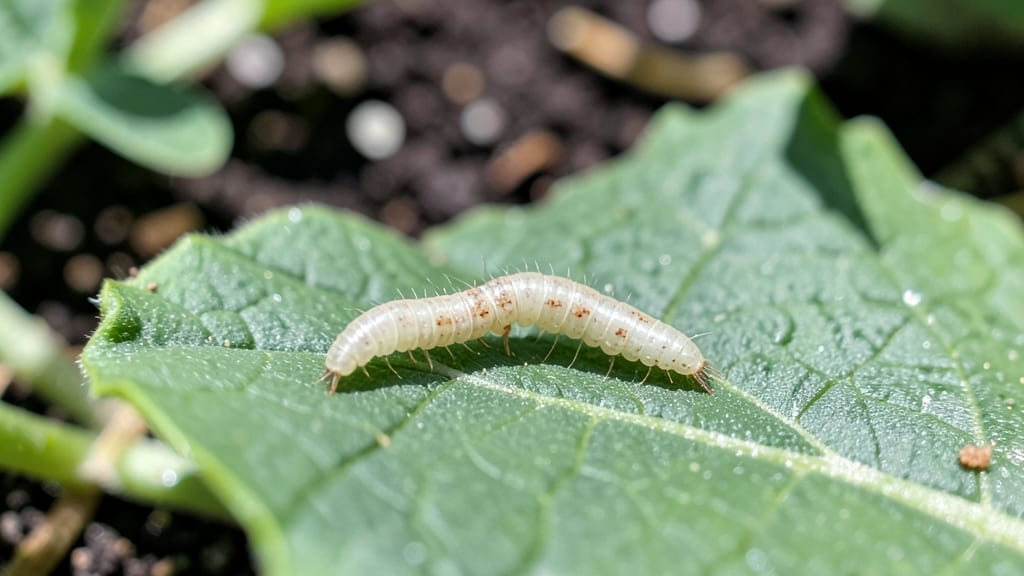
Nothing ruins a juicy watermelon harvest faster than those tiny, sneaky seed worms munching away unseen. 🌱 I’ve lost entire vines to them—until I learned how to spot and stop them before they strike.
The key is catching the problem early, when the damage is still small enough to fix without sacrificing your fruit.
These pests start as tiny eggs laid on leaves, then burrow into young fruit where they feast on seeds. By the time you see wilting vines or hollowed-out melons, it’s often too late to save them.
But with the right techniques—like hand-picking eggs, using row covers, and rotating crops—you can protect your plants without harsh chemicals.
You’ll end up with melons that stay plump, sweet, and free of those unsightly tunnels. The best part? These methods work whether you’re growing in a backyard plot or a small container garden. Let’s get those worms under control before they ruin your harvest.
Fair warning: once you see the damage, you’ll never ignore the first signs again. But the good news is, prevention is easier than you think—and your next watermelon season could be your best yet.
Root Causes Behind Seed Damage
Watermelon seed worms—those pesky Diaphania nitidalis larvae—don’t just appear out of thin air. Their presence is a direct result of specific conditions that make your melons an all-you-can-eat buffet for these tiny invaders.
Understanding these causes is the first step to stopping them before they ruin your harvest. Let’s break down the key reasons why these worms target your watermelons and how they sneak in undetected.
Watermelon seed worms thrive in cluttered, neglected growing spaces. When plant debris, old vines, or uneaten fruit linger in the field, they create the perfect hiding spot for adult moths to lay their eggs. Here’s how it happens:
- Leftover plant matter: Decaying leaves, stems, and fallen fruit provide shelter for moths during the day and a soft landing pad for their eggs.
- Weeds and overgrowth: Dense vegetation around watermelon patches offers cover for moths, allowing them to fly undetected to your crops.
- Compost piles nearby: If your compost heap is too close to the garden, it can unintentionally attract moths seeking a moist, nutrient-rich environment to reproduce.
Actionable fix: Clear the area of all plant debris before the growing season starts. Use a wheelbarrow or tarp to remove old vines and fallen fruit, and consider mulching with straw or black plastic to suppress weeds.
These worms start as eggs laid by the melon worm moth, a nocturnal fly that’s drawn to ripe or ripening fruit. Their egg-laying strategy is surprisingly precise—and sneaky. Here’s how they exploit your watermelons:
- Targeting ripe fruit: Moths use scent and color cues to locate watermelons that are nearing maturity. A ripe melon’s sweet aroma and yellowing rind signal “dinner’s ready.”
- Crepuscular activity: These moths are most active at dawn and dusk, when they slip in under the radar of both gardeners and predators like bats or birds.
- Clustered egg drops: A single female can lay up to 200 eggs, often in batches near the stem or blossom end of the fruit. These eggs hatch in just 3–5 days into hungry larvae.
Actionable fix:
- 🌙 Monitor at dusk: Use a flashlight to check for moths around your plants. If you spot them, consider setting up a UV light trap to lure them away.
- 🍉 Harvest strategically: Pick watermelons as soon as they’re ripe to remove the temptation for moths. Avoid leaving overripe fruit on the vine.
Watermelon seed worms love warmth and moisture—two conditions that accelerate their life cycle. Here’s why your garden might be serving as their personal spa:
- Ideal temperature range: These worms develop fastest in temperatures between 75–90°F (24–32°C). If your growing season is hot and prolonged, you’re essentially rolling out the welcome mat.
- High humidity: Moisture keeps eggs from drying out and speeds up larval growth. Overwatered soil or frequent rain can turn your field into a worm paradise.
- Plastic mulch or row covers: While these can protect against some pests, they also trap heat and humidity, creating a greenhouse effect that moths adore.
Actionable fix:
- 🌡️ Adjust irrigation: Water deeply but infrequently to avoid soggy soil. Aim for 1–1.5 inches per week, and water early in the day to reduce humidity at night.
- 🌬️ Improve airflow: Space plants properly (18–24 inches apart) and avoid overcrowding. Prune excess foliage to let air circulate.
In a balanced ecosystem, watermelon seed worms face threats from birds, parasitic wasps, and beneficial insects like Trichogramma (tiny egg predators). But modern farming practices often disrupt this natural defense system. Here’s how:
- Pesticide overuse: Broad-spectrum insecticides kill both pests and their natural enemies, leaving worms unchecked.
- Monoculture planting: Growing only watermelons (or other cucurbits) in a single area starves beneficial insects of diverse food sources.
- Urban or suburban gardens: Fewer birds and insects mean fewer mouths to eat the worms before they infest your fruit.
Actionable fix:
- 🐦 Attract wildlife: Install birdhouses or bat boxes near your garden. Plant native flowers (like dill or fennel) to draw in parasitic wasps.
- 🌿 Rotate crops: Avoid planting cucurbits (watermelons, cucumbers, squash) in the same spot year after year. Rotate with beans, tomatoes, or herbs.
By addressing these root causes—cleanliness, moth behavior, climate control, and ecosystem balance—you’ll make your watermelon patch far less appealing to seed worms. The key is proactive prevention, not just reactive damage control. Stay tuned for our next section on natural removal methods that keep your fruit worm-free and delicious!
Quick Fixes for Watermelon Seed Worms
Discovering tiny worms in your watermelon seeds can be frustrating, but the good news is that you can tackle this issue effectively without harming the fruit itself. Below are targeted solutions based on the root causes—whether it’s infestation prevention, organic removal, or long-term garden care.
Each method is designed to be practical, non-toxic, and easy to implement, even for beginner gardeners.
If you’ve already spotted worms in your watermelon seeds, act fast to prevent further spread while preserving the fruit’s quality.
🍳 Step 1: Inspect and Isolate Infested Fruit
- Check for signs: Look for small holes, chewed seeds, or webbing inside the rind. Discard heavily infested watermelons immediately.
- Wear gloves: Handle fruit with care—worms can spread to other produce if touched with bare hands.
- Store separately: Keep uninfested watermelons away from contaminated ones to avoid cross-contamination.
👨🍳 Step 2: Manual Removal (For Edible Seeds)
If you’re saving seeds for planting (and they’re only lightly infested):
- Rinse seeds: Soak them in warm water for 10–15 minutes to loosen worms. Drain and inspect under running water.
- Pick out worms: Use tweezers or a fine mesh strainer to remove any remaining larvae. Discard seeds with visible damage.
- Dry thoroughly: Spread seeds on a clean towel in sunlight (or a dehydrator) for 2–3 hours to kill any lingering eggs.
🥘 Step 3: Dispose of Infested Material Safely
- Do NOT compost: Worms and eggs can survive composting. Instead, seal infested seeds, rinds, or vines in a plastic bag and throw them in the trash.
- Clean tools: Disinfect pruners, knives, or cutting boards with a 1:10 bleach-water solution to prevent reinfestation.
The best way to avoid seed worms is to disrupt their lifecycle before they start. Here’s how:
🌱 Step 1: Choose Resistant Varieties
Some watermelon types are less attractive to seed worms. Opt for:
- ‘Sugar Baby’ (small, round varieties with tighter rinds)
- ‘Crimson Sweet’ (thicker skin deters pests)
- Heirloom varieties (often bred for natural pest resistance)
🌡️ Step 2: Optimize Planting Conditions
Worms thrive in warm, moist environments. Adjust your garden to make it less inviting:
- Space plants properly: Overcrowding creates humidity traps. Aim for 3–4 feet between vines.
- Improve airflow: Prune excess foliage to reduce shade and moisture buildup.
- Mulch strategically: Use straw or grass clippings (not fresh organic matter) to deter pests without adding nitrogen.
🎯 Step 3: Use Natural Predators and Traps
Encourage beneficial insects and set up barriers to keep worms away:
- Ladybugs and lacewings: Release or attract these predators, which eat watermelon seed worm eggs.
- Yellow sticky traps: Place them near plants to catch adult flies before they lay eggs.
- Diatomaceous earth (DE): Lightly dust the soil around vines (avoid direct contact with leaves). DE dehydrates worms but is safe for plants.
For existing infestations, these natural remedies can help break the worm cycle:
💡 Pro Tip: Neem Oil Spray
- Mix: 1 tbsp neem oil + 1 tsp mild soap (as an emulsifier) per quart of water.
- Apply: Spray early morning or late evening on leaves and soil. Reapply every 5–7 days during peak worm season (summer).
- Why it works: Disrupts worm feeding and reproduction without harming the plant.
🌿 Companion Planting
Plant these near watermelons to repel seed worms:
- Marigolds: Release a scent that deters pests.
- Basil or mint: Their strong aroma confuses flies.
- Nasturtiums: Act as a trap crop, luring worms away from watermelons.
🔥 Soil Solarization (For Severe Cases)
If worms are persistent in your garden:
- Water the soil thoroughly a few days before.
- Cover beds with clear plastic sheeting, securing edges with soil or bricks.
- Leave for 4–6 weeks in hot sun. The trapped heat kills eggs and larvae.
- Remove plastic and replant after cooling the soil.
To keep your watermelons worm-free long-term:
- Rotate crops: Avoid planting watermelons (or other cucurbits like cucumbers/squash) in the same spot for 3+ years.
- Clean up debris: Remove all plant residue after harvest to eliminate hiding spots.
- Monitor regularly: Check vines and fruit weekly for early signs of infestation.
- Use row covers: Lightweight fabric can block adult flies from laying eggs (remove when flowering for pollination).
With these targeted strategies, you can enjoy healthy, worm-free watermelons without resorting to harsh chemicals. Start with prevention, act quickly if you spot signs, and your garden will stay pest-resistant all season long! 🍉✨
Frequently asked questions
What exactly are watermelon seed worms?
These are the larvae of the melon worm moth (Diaphania nitidalis), tiny green or white caterpillars that burrow into watermelon seeds. They start as eggs laid on leaves, then hatch into larvae that tunnel through fruit, creating hollowed-out seeds and unsightly damage. The adults are small moths that fly at dawn and dusk, making them hard to spot until it's too late.
How do I tell if my watermelon has seed worms?
Look for these red flags: small holes in the rind, chewed seeds inside the fruit, or webbing near the stem end. Cut open suspect melons—if you see tiny white or green worms (about 1/4-inch long) or hollowed-out seeds, that’s your confirmation. The damage often starts near the blossom end where moths lay their eggs.
Can I still eat watermelons with seed worms?
Yes, but only if the infestation is light! The worms themselves aren’t harmful to humans. Simply cut away the damaged sections and eat the rest. For heavily infested fruit, compost it (sealed in a bag) or discard it—worms can spread to other produce if left in the garden. Always wash hands and tools after handling contaminated melons.
What’s the fastest way to get rid of seed worms naturally?
For immediate action, try neem oil spray (mix 1 tbsp neem oil + 1 tsp soap per quart of water) and apply at dusk. Another quick fix is diatomaceous earth—sprinkle lightly around vines (avoid leaves). For prevention, use row covers early in the season and remove any overripe fruit promptly to break the worm’s life cycle.
Will companion planting really work against these worms?
Plant marigolds, basil, or nasturtiums near your watermelons—their strong scents confuse adult moths. Nasturtiums even act as trap crops, luring worms away. Plus, these plants attract beneficial insects like ladybugs that eat worm eggs. Just avoid planting them too close to your melons, as they may compete for nutrients.