
Pests
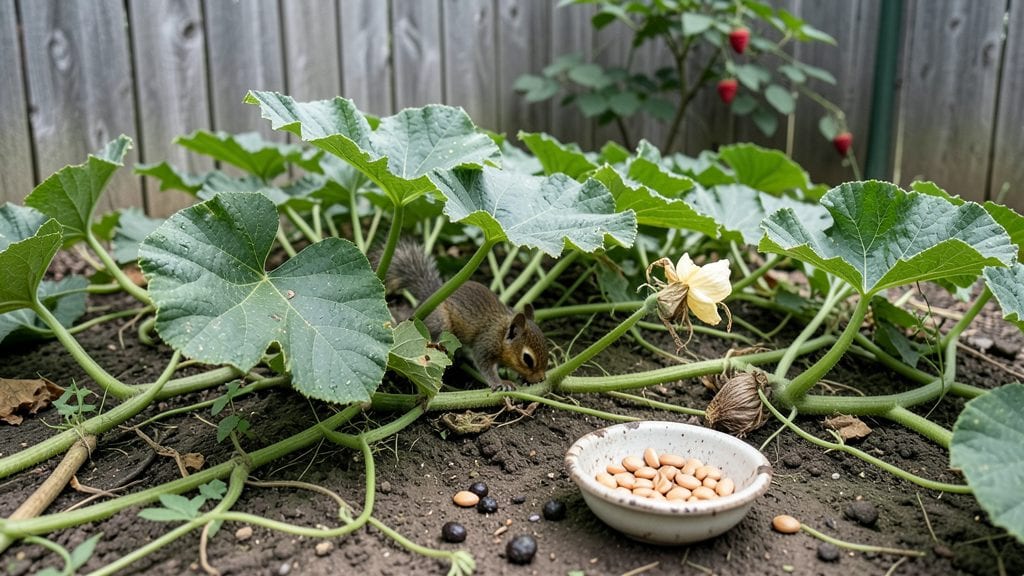
Animals that eat pumpkin seeds include squirrels, birds like blue jays and cardinals, raccoons, deer, and small mammals such as chipmunks and mice, which rely on them for protein and fats.
These tiny seeds pack a nutritional punch that makes them irresistible to wildlife. 🌰 Rich in magnesium, zinc, and healthy fats, they provide essential energy for creatures preparing for winter or raising young.
Unlike fruits, which are seasonal, pumpkin seeds often remain available long after the pumpkin rots, serving as a late-season food source. Birds like cardinals prefer them whole, while squirrels and raccoons may crack them open to access the nutrient-dense kernels.
What's fascinating is how different species adapt to access these seeds. Ground-foraging animals like chipmunks dig through decaying pumpkins, while birds may carry seeds away to cache them for later.
This behavior not only benefits the animals but also aids in seed dispersal, helping pumpkin plants spread naturally in the ecosystem.
💡 In This Article
- How Pumpkin Seeds Fuel Wildlife Diets
- Gardening Tips to Attract Seed-Loving Wildlife
How pumpkin seeds fuel wildlife diets
Pumpkin seeds act like nature's multivitamin for wildlife, offering a perfect balance of 25-30% protein and 40-50% healthy fats by weight. This calorie-dense combination makes them ideal for animals preparing for hibernation or migration.
For example, a single 1-ounce serving (about 28 seeds) contains roughly 150 calories, comparable to a small energy bar—critical for creatures like squirrels that need to store fat reserves for winter.
Birds such as blue jays and cardinals prefer whole seeds because their beaks can crack the hard shells, while mammals like raccoons and deer rely on their stronger jaws to break them open.
The magnesium and zinc in seeds support immune function and bone health, making them especially valuable during breeding seasons when animals need extra nutrients. 🌰 What's surprising is how these seeds remain nutritious even after the pumpkin decays, as their hard shells protect the kernels from spoilage for months.
Seasonal availability plays a key role in why wildlife targets pumpkin seeds. Unlike fruits that ripen briefly, pumpkins often persist into late fall, providing a reliable food source when other options dwindle.
For instance, deer may graze on rotting pumpkins to access seeds, while birds like mourning doves will peck at exposed seeds on the ground. This delayed availability explains why pumpkin patches become wildlife hotspots long after harvest.
Omnivores like raccoons and opossums treat seeds as a protein supplement, often consuming them alongside insects or fruits. Herbivores such as deer and rabbits, however, rely more on the seeds' fiber content to aid digestion.
The 1.5-2 grams of fiber per ounce helps these animals process tough plant materials more efficiently—a natural digestive aid that's rare in their typical diet of leaves and twigs.
Size matters too. Smaller mammals like chipmunks and mice can't crack open large pumpkin seeds, so they often target the smaller varieties or rely on seeds that have already been broken by larger animals.
This creates a food chain where different species play complementary roles in seed dispersal and consumption. 🌿 For example, a blue jay might carry a seed away to cache it, only for a squirrel to later dig it up and partially eat it before burying the remains—each interaction spreads seeds and enriches the soil.
What most people don't realize is how these seeds support wildlife reproduction. Studies show that female animals consuming pumpkin seeds produce offspring with stronger immune systems, thanks to the seeds' high vitamin E and omega-3 fatty acid content.
This makes pumpkin seeds a keystone food source in many ecosystems, particularly in temperate regions where they bridge the gap between summer abundance and winter scarcity.
The texture also plays a role in species preferences. Birds prefer the crisp, dry seeds that are easy to carry, while mammals often seek out seeds that have begun to soften from moisture—making them easier to chew.
This explains why you'll see raccoons digging through damp pumpkin patches long after birds have moved on to other food sources. 🦝