Lawn
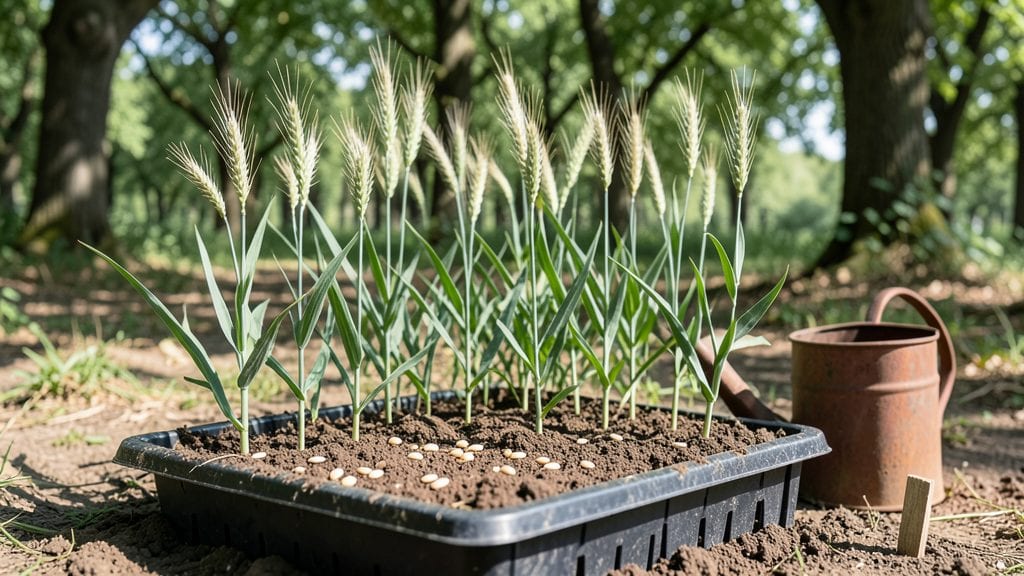
Planting wheat seeds at the right depth is the foundation of a healthy harvest—too shallow and they dry out, too deep and they struggle to break through.
Picture this: you’ve spent weeks preparing your 6a zone soil, clearing weeds, and timing your early spring planting window—only to watch your wheat seeds fail to sprout. That’s the heartbreak of getting the depth wrong, and it happens more often than you’d think.
The ideal wheat seed depth isn’t just a number—it’s a balance of soil type, moisture, and even your local climate.
Too shallow, and your seeds bake in the sun; too deep, and they rot before they ever see daylight. 1.5 to 2 inches is the sweet spot, but we’ll break down why that range works and how to adjust it for your specific conditions.
Whether you’re using a seed drill or just a hand trowel, you’ll learn how to plant for consistent germination, avoid common pitfalls, and set your wheat up for a strong start toward that late summer harvest.
Optimal wheat seed depth for maximum germination rates
Getting the wheat seed depth right is one of the most critical factors for strong germination and healthy growth. Too shallow, and seeds dry out or get baked by sun; too deep, and seedlings struggle to break through the soil.
Research shows that planting wheat at 1.5 to 2.5 inches below the soil surface maximizes root development and emergence success.
The ideal depth isn't just a number—it depends on your soil type, moisture levels, and even your local climate. In cooler regions like USDA Zone 5, slightly deeper planting (closer to 2.5 inches) helps protect seeds from frost.
Meanwhile, warm climates like Zone 8 often benefit from shallower depths (around 1.5 inches) to prevent overheating.
Here’s why depth matters: seeds need consistent moisture and darkness to germinate, but they also require enough energy to push through the soil. Planting too deep forces seedlings to expend precious reserves just to reach the surface, while shallow planting risks exposing seeds to drying winds or predators.
Let’s break down the science and practical tips for achieving the perfect wheat seed depth in your garden or field.
For most gardeners, the 1.5 to 2.5-inch range covers 90% of successful plantings, but fine-tuning based on your conditions makes all the difference. For example, if you’re planting in sandy soil, which drains quickly, aim for the shallower end (1.5 inches) to keep seeds moist.
Conversely, clay soil holds moisture well, so you can plant slightly deeper (2 to 2.5 inches) without risking drought stress.
In cool climates, like the Pacific Northwest or northern Midwest, deeper planting (up to 2.5 inches) helps insulate seeds from late frosts. Meanwhile, in warm climates, such as the Southwest or Southeast, shallower depths (around 1.5 inches) reduce the risk of seeds overheating.
Always check your local frost dates and adjust accordingly.
One common mistake is planting wheat too shallowly, especially in windy areas. Seeds can dry out or blow away before germinating. To avoid this, use a seed drill or your finger to create furrows at the correct depth, then cover them lightly with soil.
A good rule of thumb: the furrow should be deep enough to hide the seed but not bury it completely.
After planting, monitor soil moisture closely. Wheat seeds need consistent moisture to germinate, but waterlogging can suffocate them. Aim for 1 inch of water per week, either from rainfall or irrigation.
In dry spells, a light mulch (like straw) can help retain moisture and protect young seedlings from temperature swings.
If you’re planting in containers or raised beds, the same depth rules apply, but pay extra attention to drainage. Wheat hates soggy roots, so ensure your containers have drainage holes and use a well-draining soil mix.
For raised beds, amending the soil with compost before planting improves moisture retention and root development.
Finally, don’t overlook the role of seed quality. Older or damaged seeds may require slightly shallower planting to compensate for reduced vigor. Always test a small batch of seeds for germination rates before committing to a full planting.
If germination is slow, consider adjusting your depth or soil conditions accordingly.
By mastering the optimal wheat seed depth, you’ll set your crop up for strong, uniform germination and healthier plants from day one. Experiment with small test plots to fine-tune your approach based on your specific growing conditions.
How soil conditions affect wheat seed planting depth
Soil type plays a critical role in determining the perfect wheat seed depth for your crop. Clay soil, for example, retains moisture but can become waterlogged, while sandy soil drains too quickly, both affecting seedling emergence. Loamy soil, the ideal medium, balances moisture and nutrients, making it easier to achieve consistent germination rates.
Understanding these differences helps you adjust planting depth to match your soil’s unique characteristics.
The ideal planting depth for wheat seeds is generally 1.5 to 2.5 inches, but this varies based on soil texture and moisture levels. In heavy clay soils, for instance, seeds should be planted slightly deeper—around 2 to 2.5 inches—to avoid surface crusting, which can smother emerging seedlings.
Conversely, sandy soils require shallower planting (1 to 1.5 inches) to ensure seeds stay hydrated long enough to germinate.
Planting wheat seeds too deep (below 2.5 inches) can lead to poor emergence because seedlings struggle to break through compacted layers. Shallow planting (less than 1 inch) exposes seeds to drought stress and bird predation. Always adjust depth based on soil type and moisture to avoid these pitfalls.
Moisture retention is another key factor in determining seed depth. Dry soils require deeper planting to protect seeds from desiccation, while well-watered soils allow for shallower depths. For example, in arid climates, planting at 2 inches deep ensures seeds stay moist long enough to sprout.
Meanwhile, in humid regions, a depth of 1.5 inches reduces the risk of fungal diseases caused by excess moisture.
Soil temperature also influences planting depth. Cooler soils (45–55°F) slow germination, so seeds should be planted slightly deeper (2 inches) to maintain stable conditions. Warmer soils (60–75°F) speed up germination, allowing for shallower planting (1.5 inches).
Always check soil temperature with a soil thermometer before planting to avoid delays or uneven sprouting.
Compaction is a common issue in heavily tilled or trafficked soils, where dense layers can prevent seedlings from emerging. If your soil feels hard when pressed, increase planting depth by 0.5 inches to help seedlings penetrate the compacted zone.
Loosening the soil with a garden fork before planting can also improve root establishment and reduce depth-related stress.
Troubleshooting depth-related problems starts with observing seedling emergence. If you notice uneven sprouting, check for inconsistent planting depths or soil crusting. For poor germination, verify that seeds weren’t planted too deep or exposed to extreme temperatures.
Adjust future plantings by using a seed depth gauge or marking rows with a wooden stake for consistency.