
Trees
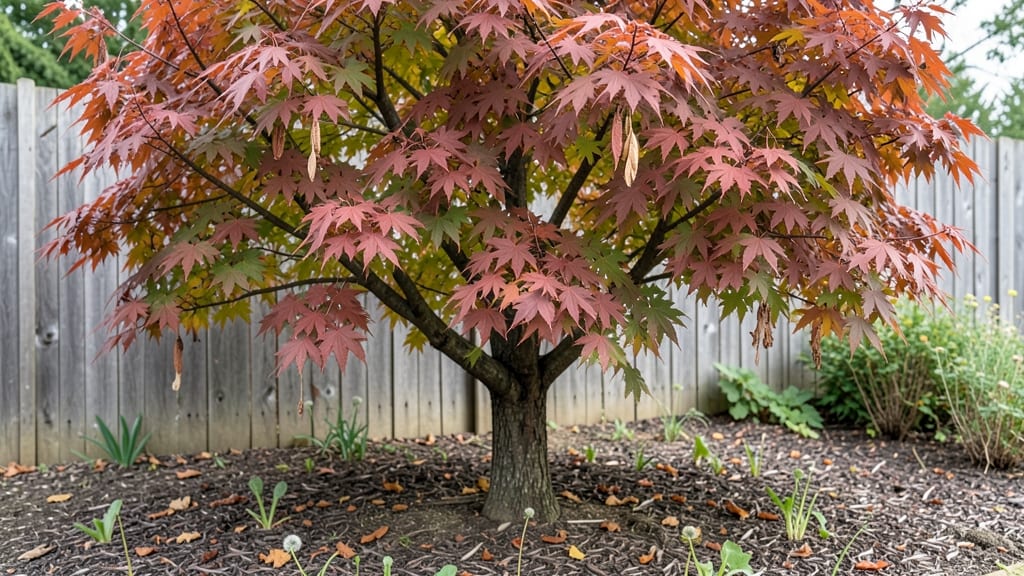
Maple seeds fall between late summer and early autumn, but the exact timing depends on the species and your local climate.
Watching those iconic helicopter seeds spiral to the ground is a classic sign of autumn—but did you know the timing varies wildly by species? Sugar maples drop seeds earlier than red maples, while silver and boxelder maples can lag behind by weeks.
Even a 5-degree temperature shift can push the schedule forward or back.
If you're hoping to collect seeds for propagation or just love the sight of them twirling down, knowing your local maple species and climate zone is key.
Below, I break down the exact timing for each type, plus how to spot the perfect moment to gather them before they hit the pavement.
Whether you're a gardener or just enjoy nature's little helicopters, this guide helps you predict when your backyard maple 🌳 will start its annual seed show.
Maple seed drop timeline by species: sugar vs red vs silver vs boxelder
If you’ve ever watched those iconic maple samaras spiral from the sky, you know they’re nature’s autumn clock—but their timing isn’t set in stone. Each maple species has its own schedule, influenced by temperature, location, and even tree health.
Whether you’re collecting seeds for propagation or just admiring the show, knowing these peak seed drop windows will help you predict when to look up—or down! 🌳
The sugar maple (Acer saccharum) is the most predictable of the bunch, often dropping seeds in late September to early October in most regions. But shift just 100 miles south, and you might see them as early as mid-September.
Meanwhile, red maples (Acer rubrum) tend to be early bloomers, with seeds falling 2-3 weeks sooner than sugar maples—sometimes even in late August in warm climates. 🍂
Silver maples (Acer saccharinum) are the speed demons of the maple world, often releasing seeds as early as August in southern states. Their seeds drop earlier and faster than other species, sometimes within just 2-3 weeks of blooming. On the flip side, boxelder maples (Acer negundo) are the stragglers, with seeds lingering on the tree until November in cooler zones. Their timing can stretch over 6+ weeks, making them the most variable. 🌿
Here’s the exact timeline for each species, including regional adjustments and temperature triggers:
<summary-table>| Species | Peak Seed Drop Window | Early Drop (Warm Zones) | Late Drop (Cool Zones) | Temperature Trigger |
|---|---|---|---|---|
| Acer saccharum (Sugar Maple) | Late September–Early October | Mid-September (Zone 7+) | Mid-October (Zone 4-5) | 50–60°F nighttime temps |
| Acer rubrum (Red Maple) | Early–Mid October | Late August–September (Zone 8+) | Late October (Zone 5) | 45–55°F nighttime temps |
| Acer saccharinum (Silver Maple) | Late August–September | Early August (Zone 9+) | October (Zone 6) | 60–70°F daytime temps |
| Acer negundo (Boxelder) | September–November | Late August (Zone 8+) | December (Zone 4) | 35–45°F nighttime temps |
Temperature is the biggest wildcard in maple seed timing. A warmer-than-average fall can push sugar maples to drop seeds by mid-September, while a cool, wet autumn might delay them until November.
For example, in New England, sugar maples often wait until after the first frost to release seeds, while in Texas, they might start as early as August. Pay attention to nighttime lows—once they dip into the 50s°F, most maples start the seed-drop process. ☀️
If you’re planning to collect maple seeds for propagation, time your harvest right: silver maples need quick action (they drop fast!), while boxelders give you a longer window. For sugar and red maples, aim for peak leaf color—that’s when most seeds are ready to fall.
Pro tip: Lay down tarps or mesh bags under your target tree 1-2 weeks before the expected drop to catch them fresh. 🪴
Regional microclimates can also shift timing by weeks. Urban areas with heat islands might see seeds drop 10–14 days earlier than rural spots, while mountainous regions could delay drops by 3+ weeks.
For instance, a red maple in Denver (Zone 5) might not drop seeds until October 15, while one in Atlanta (Zone 7) could start as early as September 1. Keep a local phenology calendar or check with nearby cooperative extension offices for hyper-local data. 📋
Don’t overlook the role of tree age and health. Mature, well-established maples produce seeds 2–3 weeks earlier than younger trees, which may still be building energy reserves. Stressed trees—those dealing with drought, pests, or poor soilfewer viable seeds.
If your maple’s seeds are small, shriveled, or not spiraling, it might be signaling nutritional stress. 🌡️
For gardeners in USDA Zones 3–5, expect later seed drops due to cooler temperatures. In Zone 6–7, timing shifts to early-to-mid fall, and in Zones 8–9, you might see seeds as early as late summer.
If you’re in a transition zone (like Zone 6b), watch for frost warnings—a sudden cold snap can trigger an early seed drop in some species. 🌬️
Knowing these species-specific timelines isn’t just for seed collectors—it’s also key for wildlife management. Birds like goldfinches and woodpeckers rely on maple seeds for winter food, so a delayed drop can disrupt their diets.
If you’re noticing fewer seeds on the ground than usual, it might be worth checking your tree’s health or local weather patterns. 🐦
How climate and location shift maple seed fall dates by weeks (or months)
If you’ve ever watched maple seeds spiral like tiny helicopters, you know they’re a sure sign of fall—but their arrival time can shift dramatically based on where you live.
In USDA Zone 4, like northern New England, seeds might start dropping as early as late August, while in Zone 9, such as Southern California, they could linger until November. These shifts aren’t random; they’re tied to temperature, elevation, and even local microclimates.
Elevation plays a surprising role too. A red maple at 2,000 feet in the Appalachians might release seeds 2–3 weeks earlier than one at sea level in the same region. Meanwhile, urban areas with heat islands can delay seed drop by 10–14 days compared to rural spots.
Understanding these patterns helps you predict when to collect seeds for propagation or simply enjoy their whirlwind descent.
Drought and early frost are the wildcards. A prolonged dry spell can force seeds to drop weeks early, while a sudden October frost might trap them on branches until spring. These extremes are why gardeners in transition zones, like the Midwest, often see the most unpredictable timing.
Take New England versus the Pacific Northwest as a case study. In Vermont’s Green Mountains, sugar maples often drop seeds by mid-September due to cooler nights, while in Washington’s Cascade foothills, the same species might not release seeds until October.
The difference? Daylength and soil moisture interact with genetics to create these shifts.
Microclimates add another layer. A south-facing slope can warm seeds enough to drop 10 days earlier than a north-facing one just 50 feet away. Even a large pond nearby can delay seed drop by keeping humidity high.
For gardeners, this means checking multiple trees in your yard—timing can vary by days or weeks between them.
If you’re collecting seeds for propagation, plan ahead. In drier climates, like Arizona’s Zone 7b, seeds may drop by mid-September and need immediate sowing. In wetter zones, like Oregon’s Coast, you might have until November.
Watch for seed color changes—when they turn brown and papery, they’re ready to go. Keep an eye on the forecast too; a hard freeze can ruin your harvest if seeds are still on the tree.
🌳