How To
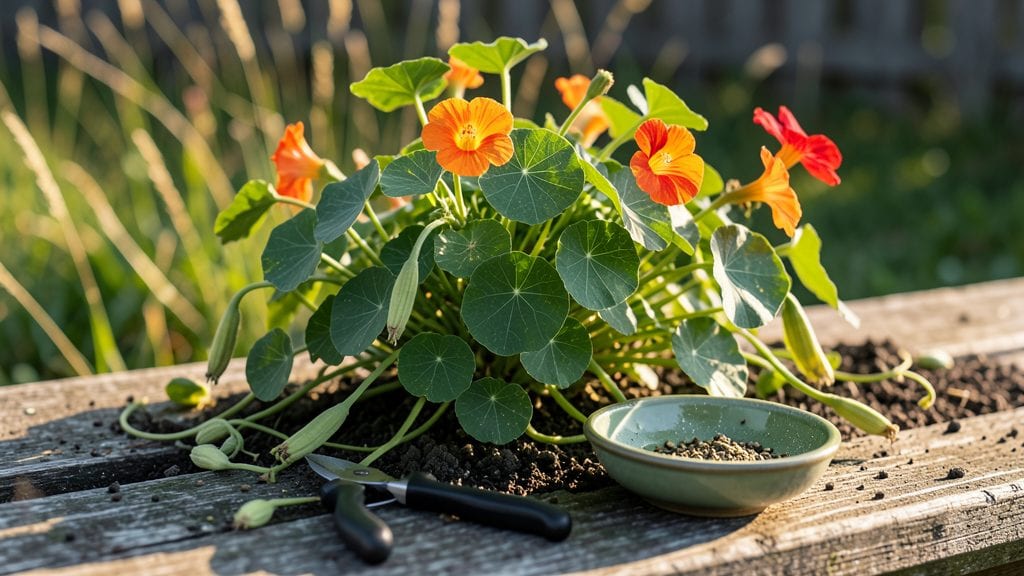
Picking nasturtium seeds at the right time means the difference between strong germination and wasted effort.
Nasturtiums aren’t just beautiful edible flowers—their seeds are a gardener’s secret weapon for self-sufficiency. But timing your harvest wrong can mean wasted potential. Learn the exact window to pick nasturtium seeds for the highest germination rates and strongest plants.
In USDA Zone 6a, the best time to harvest nasturtium seeds is between July and September, when the seed pods turn brown and papery. Waiting too long means the pods split open, scattering seeds everywhere.
Here’s how to spot the perfect moment, avoid common mistakes, and store seeds for planting next spring.

Optimal harvest time for nasturtium seeds: when flowers turn to seed pods
Timing your nasturtium seed harvest is everything—pick too early, and you’ll get low germination rates. Harvest too late, and the pods explode, scattering seeds everywhere. The 4-6 week window from bloom to seed readiness is your golden opportunity, but understanding the pod development stages is key to success.
Nasturtium flowers begin as vibrant orange, yellow, or red blooms that last just 3-5 days before wilting. After pollination, the flower petals fall, and a small green pod forms. This pod undergoes a dramatic transformation over 4-6 weeks, changing color and texture until it’s ready for harvest.
Environmental factors like temperature, humidity, and sunlight directly impact seed maturation. In hot, dry climates, pods mature faster, while cool, damp conditions can slow the process. Understanding these seasonal variations helps you predict the best harvest window for your region.
Here’s the breakdown of what to watch for during each stage of pod development:
<summary-table>| Stage | Pod Appearance | Texture | Time After Bloom | Harvest Readiness |
|---|---|---|---|---|
| Green Pod Stage | Bright green, firm | Hard, closed | 0-14 days | Not ready |
| Transitional Stage | Green-brown, slightly wrinkled | Slightly softening | 14-28 days | Monitor closely |
| Mature Stage | Fully brown, papery | Dry, brittle | 4-6 weeks | Ready to harvest |
| Overripe Stage | Brown, cracked open | Seeds scattered | 6+ weeks | Too late |
The mature stage is your sweet spot for harvesting. At this point, the seed pods turn a rich brown color and develop a papery, brittle texture. A gentle squeeze should make the pod crackle, indicating dry seeds inside.
If you hear a rattle when you shake the pod, that’s a sure sign the seeds are ready.
Pay attention to the plant’s overall health as well. When the leaves begin yellowing and the plant starts to die back, it’s a natural signal that the seeds are nearing maturity. This usually happens in late summer to early fall, depending on your USDA hardiness zone.
Harvesting in the morning after the dew has dried is ideal. The dry conditions prevent moisture from causing mold during storage. Use clean, sharp scissors or pruners to snip the pods from the stem, leaving about 1 inch of stem attached for easier handling.
If you miss the perfect window, don’t panic. Nasturtiums are self-seeding plants, meaning they’ll scatter seeds on their own when the pods burst open. However, hand-harvesting ensures better germination rates and gives you control over where the next generation grows.
Store harvested seeds in a cool, dry place in a paper envelope for up to 5 years.
One common mistake is harvesting seeds when the pods are still partially green. These seeds often fail to germinate because they’re not fully mature. Always wait until the pods are fully brown and dry to guarantee viable seeds for your next planting season.
Pro tip: Label your seed pods with the variety name and harvest date. This helps you track which nasturtiums produce the best-tasting flowers or the hardiest plants for your garden.
Over time, you’ll develop a keen eye for the perfect harvest moment, ensuring a steady supply of these edible, pollinator-friendly flowers year after year.
Signs your nasturtium seeds are ready: how to test for maximum germination
Harvesting nasturtium seeds at the right time ensures high germination rates and healthy new plants. The key is watching for visual cues that signal maturity.
When seed pods turn from green to dry brown, it’s time to act—but don’t wait too long, or the pods will split open and scatter seeds.
Start by examining the pod texture—ripe seeds feel papery and brittle, almost like crumpled paper. If you gently squeeze a pod and hear seeds rattling inside, that’s another sign of readiness. These small but critical details make all the difference in seed viability.
Here’s the golden rule: Harvest when pods are fully brown but before they crack open. Use this quick test—if a pod crumbles easily between your fingers, it’s ready. But if it’s still firm or green, give it another 3-5 days of drying time on the plant.
Key Takeaway: When to Pick Nasturtium Seeds
- Pod color: Fully brown and dry (not green or partially green)
- Texture: Papery and brittle—crushes easily between fingers
- Sound test: Seeds rattle when shaken
- Timing: Harvest before pods split open (late summer to early fall)
For a foolproof method, try the float test. Place a few seeds in a bowl of water—if they sink immediately, they’re ready for planting. But if they float or take time to sink, they’re not fully mature yet.
This trick works especially well for large batches of seeds and saves you from guessing.
If you harvest too early, seeds may fail to germinate or produce weak seedlings. On the flip side, waiting too long risks seed loss from cracked pods or rain. Aim for dry, sunny weather when harvesting to avoid moisture-related issues that can spoil seeds.
Once harvested, store seeds in a cool, dry place like an envelope or jar with a silica gel packet to absorb moisture. Properly stored, nasturtium seeds stay viable for up to 5 years, giving you a long-term supply for future gardens. Just label your containers clearly to avoid confusion!
Don’t overlook the plant’s natural cycle—as leaves yellow and die back, it’s nature’s way of telling you it’s time to harvest. Paying attention to these seasonal cues ensures you never miss the perfect window for seed collection.