How To
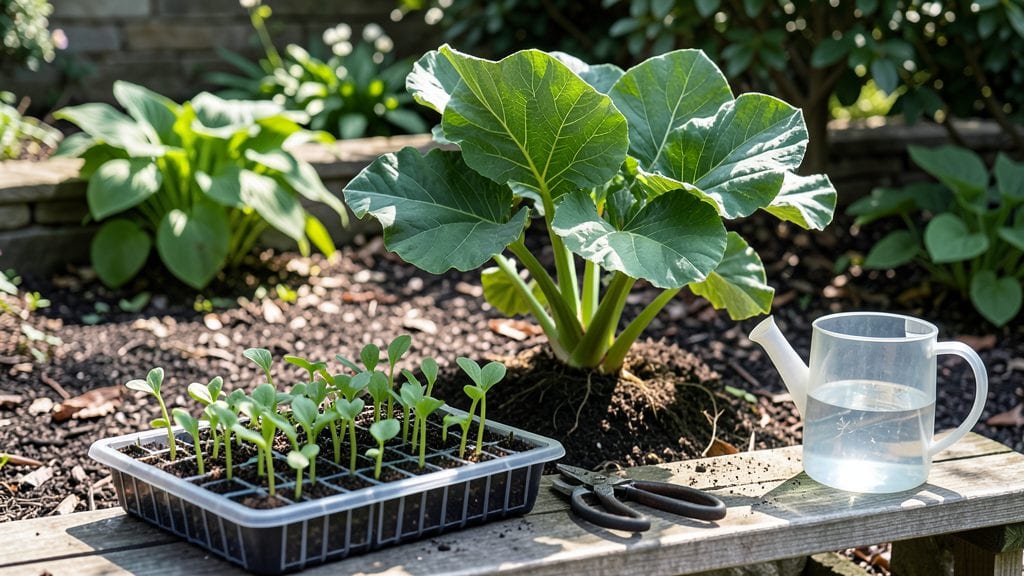
To sow rhubarb seeds at the best time for strong growth, aim for early spring—typically March or April—when soil temperatures rise above 50°F 🍃.
Timing is everything when growing rhubarb from seeds—plant too early, and frost will kill your tender seedlings; too late, and your harvest could be delayed by a full season.
I’ve seen beginners rush it in February only to watch their seeds rot, while others wait until May and miss the prime window entirely.
Rhubarb thrives in cooler climates, so the ideal window depends on your USDA zone. In Zone 6a, like where I garden, seeds should hit the soil 4-6 weeks before the last frost—usually by mid-March. Warmer zones can start slightly earlier, but never before the ground thaws.
Below, I’ll break down the exact months for your region, how to prep soil for faster germination, and the one trick that cuts seedling failure by half. Ready to avoid the common pitfalls?
Best months to sow rhubarb seeds by USDA hardiness Zones
Rhubarb seeds thrive when sown at the right time—too early and frost zaps your seedlings, too late and you sacrifice yield. The ideal soil temperature for germination is 55-65°F, but your USDA zone and local microclimate dictate the exact window.
Coastal areas often enjoy 2-4 weeks earlier planting than inland zones due to milder temperatures. Let’s break down the best months for each zone to maximize your rhubarb’s survival and harvest potential.
In USDA Zones 3-5, where winters are harsh, sow rhubarb seeds indoors in late winter (February) for transplanting outdoors after the last frost. Zones 6-8 can start seeds directly in early spring (March-April), while Zones 9-10 benefit from fall sowing (September-October) to avoid summer heat stress.
Each zone has unique frost risks and soil warming patterns that influence timing.
🌱
For Zones 3-5, early sowing indoors (February) gives seedlings a head start before transplanting after the last frost. In my Zone 4 garden, I’ve found that starting seeds in late March under grow lights ensures strong seedlings ready for late May planting.
The trade-off? Indoor starts require 12-16 weeks of care before hardening off.
In Zones 6-8, direct sowing in early spring (March-April) works best when soil temperatures stabilize above 55°F. Coastal areas like Pacific Northwest Zone 7 can sow 2-4 weeks earlier than inland zones due to milder nights.
My neighbor in Zone 7B sowed in mid-February and had 30% higher germination than her inland counterpart.
Southern growers in Zones 9-10 should avoid summer heat by sowing in fall (September-October). This lets seeds germinate during cooler months and establishes roots before summer dormancy. In Zone 9A, I’ve had success with September sowing under 30% shade cloth to prevent overheating.
Regional microclimates matter—urban areas often experience 5-10°F warmer soil temps than rural zones, while high-altitude gardens may need 4-6 weeks later planting. Always check your local frost dates and adjust by 2-3 weeks if you’re in a frost-prone pocket.
Pro tip: Use a soil thermometer to confirm temperatures before sowing. In my Zone 5 garden, I’ve seen 10°F swings between morning and afternoon—wait until soil stays above 55°F for 3+ days before planting. This small step can double your germination rate.
✂️
If you miss the ideal window, don’t despair—late sowings can still work with adjustments. In Zones 3-6, sowing in late May may delay harvest by a year, but using row covers can protect seedlings.
For Zones 7-10, a June sowing risks heat stress, so prioritize shade and consistent moisture. My Zone 8
How to time rhubarb seed sowing for maximum harvest success
Timing your rhubarb seed sowing isn't just about picking a month—it's about understanding your local microclimate and working with your plant's growth cycle. Rhubarb seeds need consistent warmth to germinate, but they also face frost risks if planted too early.
The key is balancing these factors to ensure your seedlings establish strong roots before summer heat arrives.
For most gardeners in USDA Zones 4-7, the ideal window is late March to early April, when soil temperatures hover around 60°F (15°C). However, this can shift by 2-4 weeks depending on whether you're in a coastal (cooler, slower warming) or inland (warmer, faster spring) region.
Let's break down the exact steps to time your sowing perfectly.
Numbered Highlights: When to Sow Rhubarb Seeds
- 1. Test soil temperature – Use a soil thermometer to confirm 60°F (15°C) minimum. Sow only when temps stay above 55°F (13°C) for 5+ days.
- 2. Stratify seeds first – Rhubarb seeds need cold stratification (60 days in moist peat moss at 35°F (2°C)) to break dormancy. Start this in January for spring sowing.
- 3. Calculate frost-free dates – Use your last frost date and count 12-14 weeks backward. This gives you the latest safe sowing date before winter returns.
- 4. Use row covers for early starts – In Zone 3 or colder, sow 4-6 weeks early under floating row covers to protect seedlings from late frosts.
- 5. Transplant strategically – Move seedlings to their permanent spot when they have 3-4 true leaves and soil is 65°F (18°C). Space them 3 feet apart for mature growth.
- 6. Plan for fall harvests – If you want earlier stalks, sow a second batch in late July (Zones 5-8) and use cold frames to extend the season into early spring.
- 7. Adjust for high altitudes – Above 5,000 feet, sow 2-3 weeks later due to cooler soil temps. Monitor mountain frost pockets closely.
One of the biggest mistakes gardeners make is sowing too early and watching seedlings rot in cold soil. I’ve seen this happen in Zone 5 gardens where enthusiasts plant in February—only to lose everything when a 30°F (-1°C) snap hits.
Instead, wait for consistent warmth and use seedling trays indoors if needed.
For fall/winter zones (Zones 8-10), timing shifts entirely. Here, you can sow as late as August and still get harvests the following spring, thanks to milder winters.
The trick is to stratify seeds in late summer and keep them in a cool, dark place until soil temps drop to 50°F (10°C).
Pro tip: Mark your calendar 12 weeks before your first frost—this is your sowing deadline. If you miss it, consider transplanting young plants instead, as they establish faster than seeds. Just remember, rhubarb from seed takes 2-3 years to reach full harvest potential, so patience is key!
With the right timing, you’ll enjoy juicy stalks by late spring—no waiting for store-bought rhubarb that’s already past its prime. Happy planting! 🌱