
Companion Plants
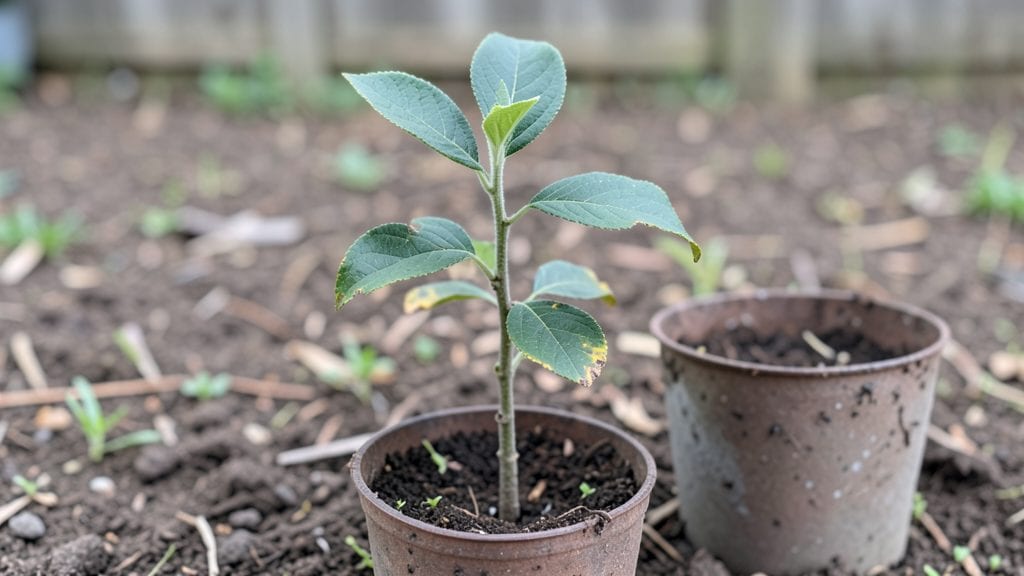
A 1-month apple seedling is your first step toward a backyard orchard, and getting it right now means a stronger tree in just a few years. 🌱 I’ve watched these tiny shoots transform into sturdy saplings, and the key is in the details—light, water, and soil work together like a team.
Most beginners overwater or let them dry out, but the secret is consistency: damp (not soggy) soil and bright, indirect light. That first month sets the foundation for everything that follows.
The right setup is simpler than you think: a small pot with drainage holes, a mix of potting soil and compost, and a spot near a window where it gets 4-6 hours of sunlight daily. Too much shade now means leggy, weak stems later.
I’ve seen seedlings double in height in just two weeks when given the right conditions—proof that patience pays off. You’ll also want to check for pests like aphids, which love tender new growth but can be wiped away with a damp cloth.
By following these steps, you’ll end up with a thriving 3-4 inch seedling ready for transplanting in spring. The roots will be strong enough to handle moving, and the stem will be sturdy enough to support future fruit.
The best part? You’ll recognize a healthy seedling by its vibrant green leaves and firm stem—no more guessing whether it’s a weed or your future apple tree.
This method works for any apple variety, whether you’re growing from a store-bought seed or a saved one from a favorite fruit. The only real challenge is staying consistent, but the payoff—a tree that could bear fruit in 5-7 years—makes it worth it. Let’s get those roots growing strong!
📚 In This Guide
- What you need
- Instructions
- Tips and common mistakes
- Wrapping up and next steps
What you need
- ● Growing a 1-month apple seedling is an exciting journey, and having the right materials ensures a smooth start! Here’s what you’ll need:
- ● Pro tip: 💡 Skip the store-bought seeds! Organic apple seeds germinate faster and stronger—just be patient, as they may take 2–4 weeks to sprout.
Instructions for growing a sturdy apple seedling in 30 days
Here's how to nurture a healthy young apple tree in just a month—no patience required.
🌱 Step 1: Start Seeds in a Humid, Warm Environment
Fill your 4-inch pots with moistened seed-starting mix, pressing it down gently to remove air pockets. Plant each apple seed ½ inch deep—deeper seeds take longer to sprout. I like to place two seeds per pot so I have a backup if one doesn’t germinate.
Cover the pots with plastic wrap or a humidity dome to trap warmth. Apple seeds need consistent 70-75°F soil temperatures to sprout reliably. Place them near a sunny window or under a grow light. You’ll see tiny sprouts in 2-4 weeks, but don’t be surprised if it takes longer—some seeds are stubborn.
💧 Step 2: Water Gently and Keep Soil Consistently Moist
Once sprouts appear, remove the plastic wrap immediately to prevent damping-off. Water the seedlings only when the top ½ inch of soil feels dry. I use a spray bottle for precision—overwatering at this stage causes roots to rot before they even get strong.
Place a small tray filled with pebbles and water beneath the pots to increase humidity without soggy soil. This mimics the damp forest floor where apple trees naturally grow. You’ll know moisture is right when the soil looks dark and crumbly, not shiny or powdery.
☀️ Step 3: Provide Bright, Indirect Light for Strong Growth
Move seedlings to a spot with 6-8 hours of bright, indirect light daily. A south-facing window works, but direct midday sun can scorch tender leaves. If using artificial light, keep it 4-6 inches above the plants and on for 14 hours per day.
Rotate the pots a quarter turn every few days so seedlings grow straight instead of leaning toward the light. You’ll notice strong stems and deep green leaves within 2 weeks—that’s your sign they’re thriving. If leaves look pale or stretched, the light isn’t strong enough.
🪴 Step 4: Fertilize Lightly and Prune for Bushier Growth
After 3 weeks, when seedlings have 2-3 sets of true leaves, add a weak solution of balanced fertilizer (5-5-5). I mix just ½ teaspoon per gallon of water—too much fertilizer burns young roots. Water thoroughly after fertilizing to rinse away excess salts.
Pinch off the top set of leaves when the seedling reaches 6 inches tall. This encourages the plant to branch out instead of growing one long, weak stem. You’ll see new side shoots forming within 1 week, giving your seedling a sturdy, tree-like shape.
⏰ Step 5: Harden Off and Prepare for Transplanting
During the final week, start hardening off your seedling by placing it outside in partial shade for 1-2 hours daily. Gradually increase outdoor time over 5-7 days until it can stay out all day. This toughens the plant so it doesn’t shock when moved to the garden.
Choose a cloudy day to transplant your 4-inch-tall seedling into its permanent spot. Dig a hole twice as wide as the pot but no deeper. Gently remove the seedling, loosen the roots, and plant it so the top of the root ball sits 1 inch below soil level. Water deeply to settle the soil around the roots.
Tips & tricks for growing a sturdy apple seedling
Here's what I've learned from growing apple seedlings in just 30 days—tricks that'll help you avoid the most common mistakes and get the strongest possible start.
Seedling Temperature: Those 70-75°F soil temperatures are critical for germination. I've found that placing pots on a seedling heat mat set to 75°F speeds up sprouting from 2-4 weeks to just 10-14 days. Just make sure the mat stays on low—too much heat can actually inhibit growth. If you don't have a heat mat, place pots on top of your refrigerator (not inside) for gentle warmth.
Lighting Strategy: For the 6-8 hours of bright indirect light, I recommend using a combination of natural and artificial light. Position your seedlings near a south-facing window during daylight hours, then supplement with a LED grow light for 2-3 hours in the evening if needed. The 14-hour light cycle is crucial—apple seedlings need this long day to develop strong stems.
Watering Wisdom: The key to keeping soil consistently moist without overwatering is to check with your finger. Stick your index finger about ½ inch into the soil—if it feels dry at that depth, it's time to water. I've ruined seedlings by overwatering, so I always use the "damp sponge" test: squeeze a handful of soil—if water drips out, it's too wet.
Fertilizer Timing: That 3-week mark for fertilizing is perfect timing. I like to make my fertilizer solution the night before and let it sit so the salts dissolve completely. When you add the ½ teaspoon per gallon, be sure to water the soil thoroughly before and after to prevent salt buildup. You'll notice a real difference in leaf color and growth within just 5-7 days after fertilizing.
Pro Tips for 1 Month Apple Seedling
- Here's what I've learned from growing apple seedlings in just 30 days—tricks that'll help you avoid the most common mistakes and get the strongest possible start.
- Seedling Temperature: Those 70-75°F soil temperatures are critical for germination.
- Lighting Strategy: For the 6-8 hours of bright indirect light, I recommend using a combination of natural and artificial light.
Frequently asked questions
Got questions about growing a 1-month apple seedling?
You’re not alone! Here are answers to the most common queries to help you nurture your tiny tree with confidence.
How tall should my 1-month apple seedling be?
A healthy 1-month-old apple seedling typically stands 2–6 inches tall, depending on the variety and growing conditions. Focus on strong roots (not just height)—healthy seedlings will have a sturdy stem and a few small leaves. If growth stalls, check light exposure or soil moisture.
Can I transplant my seedling after just 1 month?
Transplanting too early can shock delicate roots, but you can repot or move it outdoors if temperatures are mild (above 50°F/10°C). Harden it first by placing it outside for 1–2 hours daily over 5–7 days. Use well-draining soil and avoid direct sun for the first week post-transplant.
Will my apple seedling ever produce fruit?
Yes—but patience is key! Seed-grown apple trees (not grafted) may take 5–10 years to bear fruit, and varieties may differ from the parent tree. For faster results, consider grafting a known variety onto your seedling’s rootstock later. Choose disease-resistant varieties like ‘Granny Smith’ or ‘Fuji’ for better odds.
What should I do if my seedling’s leaves turn yellow?
Yellow leaves often signal overwatering, underwatering, or pests. Check the soil—it should be moist but not soggy. Inspect the undersides of leaves for mites or aphids (use a magnifying glass!). Adjust watering (let the top inch dry between waterings) and treat pests with neem oil if needed.
Are there faster-growing alternatives to apple seedlings?
If you’re eager for fruit, skip the seedling stage and buy a 1–2-year-old bare-root apple tree from a nursery. These are grafted, disease-resistant, and ready to plant. For a middle ground, try apple tree cuttings (rooted in water first) or companion plants like comfrey or clover to boost soil health for your seedling.
Wrapping up and next steps
Growing a 1-month apple seedling is a rewarding journey that sets the foundation for a thriving fruit tree! 🌱 With the right care—like proper soil, sunlight, and patience—you’ll nurture strong roots and healthy growth.
Whether you’re aiming for a backyard harvest or just love the magic of watching life sprout, you’ve got this!
Ready to take the next step? Once your seedling hits 3-4 inches tall, consider transplanting it into a larger pot or garden bed. Keep an eye on its progress—your future apple tree is just getting started! 🍏✨