Flowers
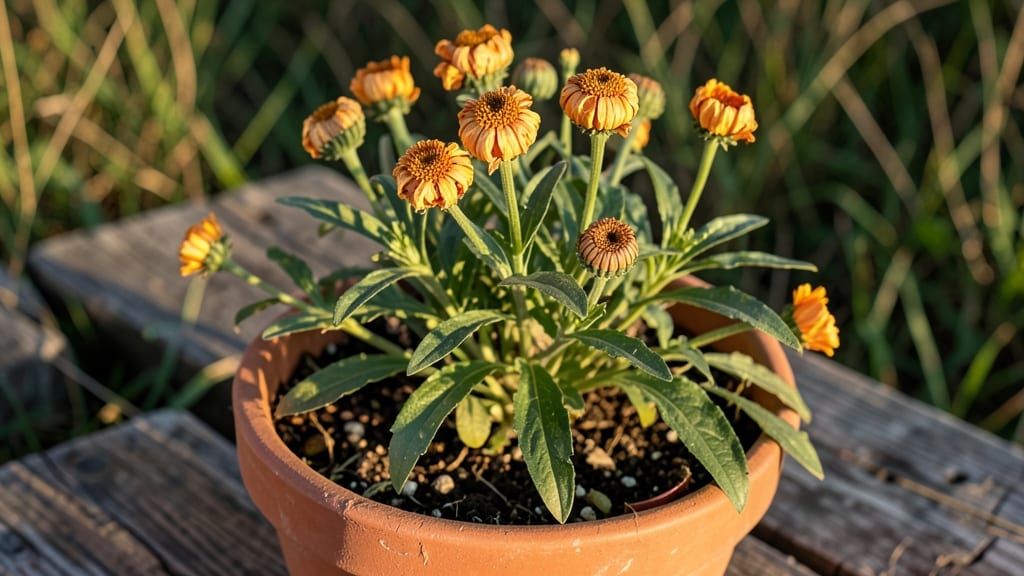
Calendula seed heads form after flowers fade, turning from vibrant orange to brown when fully mature. Harvest them by cutting stems, dry in bundles or spread on screens, then store seeds in paper envelopes in a cool, dark place for next season’s planting.
These dried flower clusters aren't just decorative—they're packed with seeds ready for replanting. 🌿 The transformation from bright orange petals to brown seed pods signals peak harvest time, usually 6-8 weeks after flowering.
I always harvest on dry mornings to prevent moisture from sticking to the seeds, which can lead to mold during storage. Once you've collected them, proper drying is key: hanging them upside down in a well-ventilated area preserves their viability better than flat drying methods.
What makes calendula seeds special is their remarkable germination rate when stored correctly. Unlike many flowers, they maintain viability for 2-3 years if kept in ideal conditions. I've found that paper envelopes actually work better than glass containers—they allow for better air circulation while protecting against pests.
The cool, dark storage environment mimics the natural dormancy period these seeds need to break through when spring arrives.
💡 In This Article
- Identifying and Harvesting Mature Calendula Seed Heads
- Best Drying and Storage Methods for Calendula Seeds
Identifying and harvesting mature calendula seed heads
Calendula seed heads reach maturity when their vibrant orange petals fully wither and the central seed pods turn a deep, papery brown. This transformation typically occurs 6-8 weeks after flowering, though environmental factors like temperature and sunlight can accelerate or delay the process.
The seed pods themselves develop a slightly rough texture—almost like crinkled parchment—when ready for harvest. Here's what's happening biologically: as the flowers fade, the plant redirects energy from petal production to seed development, creating these distinctive seed heads that resemble tiny, dried daisies.
The key visual cue is the color shift from bright orange to a muted brown, often accompanied by the petals curling back to expose the seed center.
I've noticed that seed heads harvested too early (when still partially orange) produce seeds with lower viability, while those left too long may scatter seeds prematurely. The ideal moment is when 70-80% of the seed pods have turned brown but before they begin cracking open.
Cutting stems at this stage ensures you capture the maximum seed yield while preventing natural seed dispersal.
When harvesting, use clean, sharp pruners to cut stems 2-3 inches below the seed head. This prevents damage to the main plant and allows for better air circulation during drying. The stems should be completely dry before processing—any moisture trapped in the stems can lead to mold during storage.
I recommend harvesting on dry, sunny mornings to minimize humidity exposure, which is particularly important in humid climates where seed heads can develop fungal issues within 24 hours of harvest.
Timing matters because calendula seeds have a natural dormancy period that's broken by proper drying. If harvested too wet, seeds may fail to germinate or develop mold. The drying process also kills any potential pests or pathogens that might be present.
Once cut, you can either hang the stems in small bundles or lay them flat on screens. Hanging preserves the natural seed head structure better, while flat drying spreads them out for more even moisture loss.
What most gardeners don't realize is that calendula seed heads actually contain hundreds of tiny seeds per head, each capable of producing new plants. The seed pods are designed to release seeds gradually, which is why proper harvesting timing is crucial.
If you miss the window, you risk losing seeds to wind dispersal or attracting pests like aphids that target ripe seed heads. The plant's natural seed release mechanism makes calendula an excellent candidate for naturalizing in garden beds over time.
One advanced tip is to gently rub mature seed heads between your fingers once dry—the seeds will easily separate from the papery chaff. This method works best when the seed pods have fully matured but haven't begun cracking open naturally.
The resulting seeds are lightweight and will float on air currents, which is why storing them in breathable containers is essential for preventing clumping and maintaining viability.
Remember that the health of your calendula plants depends on proper seed head management. If you leave too many seed heads on the plant, it can divert energy away from future blooms.
I typically remove about 30-50% of seed heads from each plant to maintain a balance between seed production and continued flowering throughout the season. This practice ensures you get both beautiful blooms and a good seed harvest.