Featured
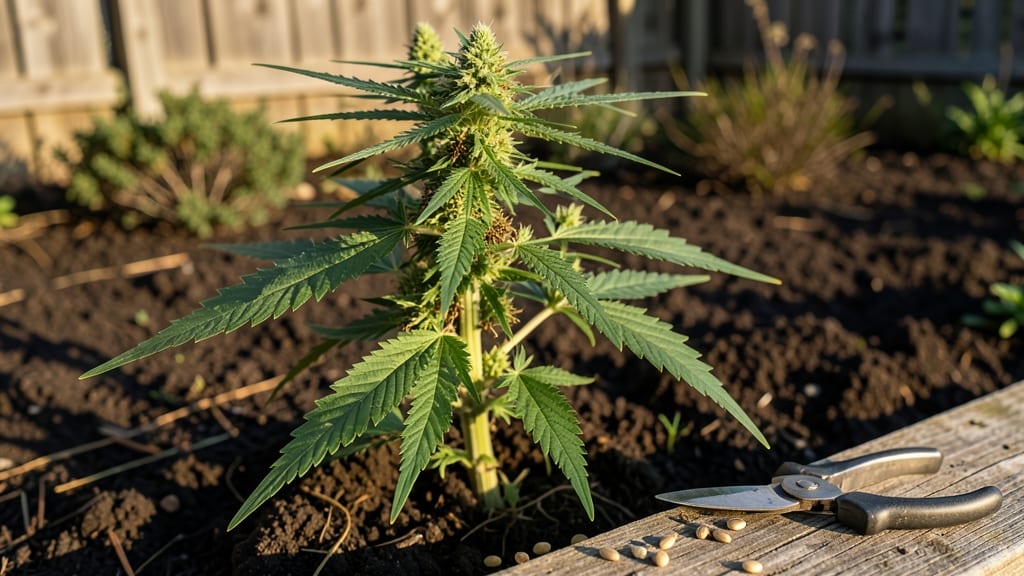
Can birds eat hemp seeds? Yes, they can enjoy hemp seeds in moderation as a safe, protein-rich treat, but avoid feeding them seeds coated in salt or seasoning, and never give them raw hemp oil or processed hemp products.
Hemp seeds are a nutrient powerhouse for birds, packed with 10 grams of protein per 3 tablespoons—about the same as sunflower seeds but with added omega-3 and omega-6 fatty acids for feather health and energy. 🌿 The key is moderation: while these seeds are safe, they shouldn't replace a bird's regular diet.
For wild birds like finches or chickadees, a few scattered seeds can provide a welcome protein boost, while pet birds like parrots may enjoy them as an occasional snack. Always opt for unsalted, unseasoned seeds to avoid digestive issues or toxicity.
When feeding hemp seeds, focus on freshness and preparation. Lightly toasting them can enhance digestibility, but never cook them with oils or seasonings. Place seeds in shallow dishes or on flat surfaces where birds can easily access them—this mimics natural foraging behaviors and reduces waste.
Remember, while hemp seeds are beneficial, they should complement—not replace—a balanced diet of seeds, grains, and fresh foods tailored to your bird's species.
💡 In This Article
- Nutritional Value of Hemp Seeds for Birds
- Safe Ways to Feed Hemp Seeds to Birds
Nutritional value of hemp seeds for birds
Hemp seeds are a nutritional goldmine for birds, offering a perfect balance of 31 grams of protein per 100 grams—nearly double that of sunflower seeds (16g/100g). This protein content supports muscle development and energy levels, especially for active species like hummingbirds or fledgling birds.
The seeds also contain 33% healthy fats, including omega-3 and omega-6 fatty acids, which promote feather health and reduce inflammation. 🌟 These fats are essential for maintaining vibrant plumage and supporting the immune system during molting seasons.
The mineral profile of hemp seeds is equally impressive, with significant amounts of magnesium, zinc, and iron—critical for metabolic function and red blood cell production.
For example, a single tablespoon of hemp seeds contains 25% of the daily magnesium requirement for small birds, which aids in nerve function and muscle relaxation.
Compared to flaxseeds (another bird-safe option), hemp seeds provide a broader spectrum of nutrients, including higher levels of arginine, an amino acid that supports cardiovascular health in birds.
One of the most compelling benefits of hemp seeds is their high digestibility. Birds lack the enzymes to break down certain plant fibers, but hemp seeds' soft, oily texture makes them easier to process than harder seeds like walnuts.
The low phytic acid content (compared to grains) means birds can absorb more minerals without digestive strain. This is particularly valuable for wild birds, whose natural diets often lack concentrated protein sources during migration or nesting seasons.
However, the nutritional benefits come with a caveat: hemp seeds are calorie-dense, with 553 calories per 100 grams. Overfeeding can lead to obesity in pet birds, especially species prone to weight gain like finches or canaries.
The key is moderation—think of hemp seeds as a 10-15% supplement to their primary diet, not a staple. For instance, a small parrot might safely consume 1 teaspoon of hemp seeds per week, while wild birds can enjoy them as an occasional treat during feeding sessions.
When comparing hemp seeds to other bird-safe seeds, the differences become clear. Sunflower seeds offer more calories (600 calories/100g) but less protein, while flaxseeds provide excellent omega-3s but lack the balanced amino acid profile of hemp.
The unique combination of protein, healthy fats, and minerals in hemp seeds makes them a superior choice for birds needing a nutrient boost without the risks of processed or seasoned alternatives.
For pet bird owners, this means hemp seeds can be a valuable addition to a pellet-based diet, especially for species like cockatiels or budgies that require additional protein during breeding season.
Wild bird enthusiasts can scatter hemp seeds in garden feeders to attract species like goldfinches or sparrows, which are drawn to high-protein treats. The key is always to monitor intake and ensure the seeds are served in their most natural, unprocessed form.