
Pests and Diseases
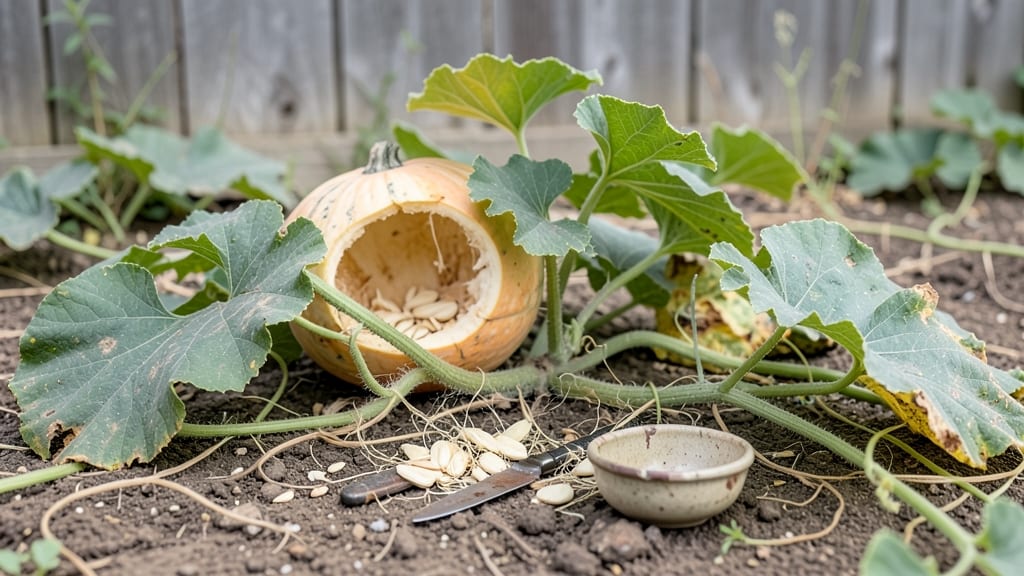
Chickens can eat pumpkin guts and seeds in moderation, as they provide fiber and nutrients, but avoid feeding moldy or spoiled sections, which can cause digestive issues or toxicity. Always remove any stringy vines or large chunks to prevent choking hazards.
Pumpkin isn't just safe for chickens—it's a nutritional powerhouse when prepared correctly.
The fibrous flesh and seeds offer essential vitamins like A and E, plus minerals such as magnesium and zinc, which support feather health and immune function. 🌟 However, the key lies in balance: overfeeding can lead to loose stools or obesity, so think of pumpkin as a supplement, not a staple.
I’ve found that chickens adore cooked pumpkin chunks (raw is fine too, but cooking softens it for easier digestion), and the seeds act like tiny, crunchy treats—just crush them slightly to avoid waste.
To maximize safety, always wash pumpkin scraps thoroughly to remove any pesticide residue, and steer clear of seasoned or processed varieties (like canned pumpkin pie filling), which may contain harmful additives.
For extra convenience, I often blend pumpkin into their feed or mash it into their water—it’s a simple way to boost their diet without the risk of overfeeding.
💡 In This Article
- Nutritional Value of Pumpkin Guts and Seeds for Chickens
- Safe Ways to Feed Pumpkin to Chickens: Preparation and Serving Tips
Nutritional value of pumpkin guts and seeds for chickens
Pumpkin flesh and seeds are packed with nutrients that directly benefit chickens' health. The orange flesh contains vitamin A (about 2,800 IU per 100g), which supports vision, immune function, and feather quality—critical for egg-laying hens.
The seeds add magnesium (376mg per 100g) and zinc (6.6mg per 100g), both essential for bone development and wound healing. What's fascinating is how these nutrients work together: vitamin A enhances gut lining integrity, while magnesium helps regulate muscle contractions, including those in the digestive tract. 🔥
The fiber content in pumpkin (around 3g per 100g) acts like a natural broom for chickens' digestive systems, preventing issues like impacted crop or vent.
The seeds' high oil content (about 30% of their weight) provides concentrated energy, but this is why moderation matters—too much can lead to weight gain or loose stools.
I've noticed that chickens with access to pumpkin scraps show improved egg shell quality, likely due to the balanced calcium-to-phosphorus ratio (about 1:1) in the flesh. The seeds' protein content (19g per 100g) also makes them a valuable supplement, especially for growing chicks.
Here's what happens when chickens process these nutrients: The beta-carotene in pumpkin converts to vitamin A in their livers, which then gets distributed throughout their bodies. The seeds' phytosterols help reduce cholesterol absorption, while the fiber binds to toxins in their digestive tract.
This dual-action system explains why pumpkin is such a popular remedy for chickens with mild digestive upset. However, the key factor is balance—pumpkin should make up no more than 10% of their diet, with the rest being their regular feed. 💫
Overfeeding risks become clear when you consider the sugar content: pumpkin contains about 6g of natural sugars per 100g, which can ferment in their gut if consumed in excess. I've seen cases where chickens developed loose stools after eating pumpkin rinds daily for weeks.
The seeds' high fat content can also cause obesity if fed in large quantities, particularly in layer hens that are already prone to weight gain.
What most people don't realize is that the moisture content in pumpkin (about 90%) can dilute their regular feed's nutritional density if given in unlimited quantities.
For practical application, think of pumpkin as a dietary supplement rather than a primary food source. A tablespoon of mashed pumpkin per chicken daily provides these benefits without risk of overfeeding.
The seeds should be limited to about 1 teaspoon per chicken weekly, as their high fat content is potent. When preparing pumpkin, cooking it slightly (steaming for 5-10 minutes) enhances digestibility by breaking down some of the tougher fibers while preserving most nutrients.
This gentle preparation makes the difference between a beneficial treat and one that causes digestive upset.
The texture contrast between soft pumpkin flesh and crunchy seeds actually stimulates chickens' natural foraging behaviors. I've observed that chickens will peck at both components differently—they'll gulp down the soft flesh quickly while carefully picking through seeds.
This dual-texture feeding mimics their natural diet of both soft and hard elements, making pumpkin not just nutritious but also mentally stimulating. The visual appeal of bright orange pumpkin pieces also makes it an attractive addition to their diet, encouraging even picky eaters to try it. ✨
What's often overlooked is how pumpkin supports chickens' natural detoxification processes. The fiber binds to heavy metals and pesticides that might be present in their regular feed, helping their bodies eliminate these toxins more efficiently.
This is particularly valuable for chickens raised in intensive systems where environmental contaminants might be more prevalent. The combination of fiber, vitamins, and minerals in pumpkin creates a synergistic effect that goes beyond simple nutrition—it actively supports their overall physiological health.