How To
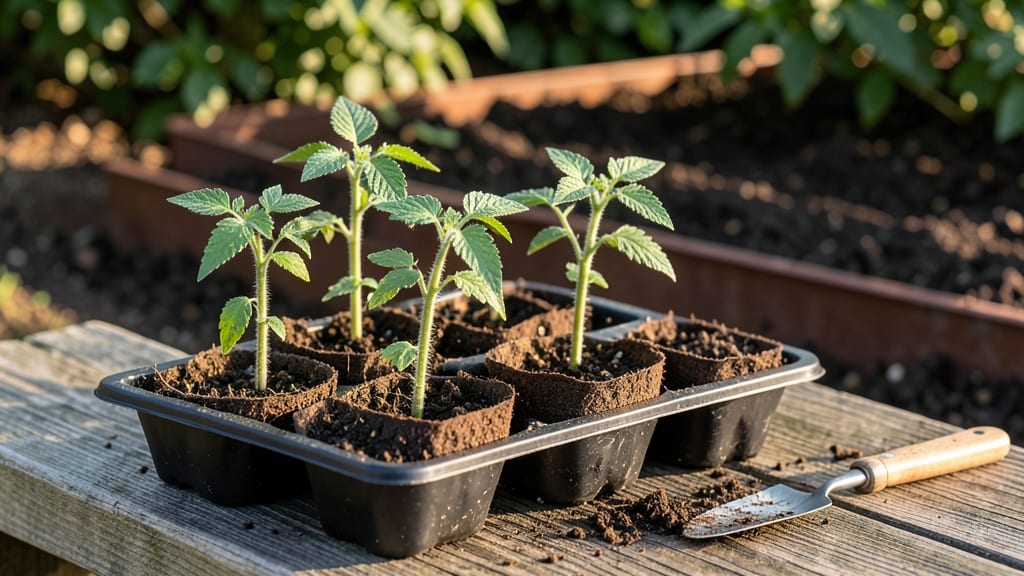
Starting tomato seeds early 🍅 is the secret to beating the last frost and walking out to juicy red fruit by June.
Struggling to get your tomato seeds to sprout fast enough? A simple 5-day moisture trick can cut germination time in half—giving your plants a head start before the last frost. Here’s how to maximize early growth without expensive gear.
Most gardeners wait until March, but those extra weeks indoors make all the difference in Zone 6a. With the right warmth and humidity, you’ll see sprouts in days instead of weeks, and your seedlings will be stocky and ready for transplant.
Below, I’ll walk you through the exact method I use to get fast, healthy starts—plus the best varieties for early harvests and the common mistakes that kill germination.
The 5-Day moisture trick to germinate tomato seeds faster
If you’ve ever waited weeks for your tomato seeds to sprout, you’re not alone. The key to faster germination lies in controlling moisture, warmth, and humidity—three factors that most gardeners overlook.
This 5-day trick uses simple household items to create an ideal environment, cutting germination time from 14–21 days down to just 3–7 days. No fancy equipment needed!
Tomato seeds thrive when kept in a consistently moist environment between 70–85°F. Traditional soil methods often fail because they dry out too quickly or lack airflow.
This trick mimics the natural humidity of a greenhouse but works on your kitchen counter. The best part? You can monitor progress daily without disturbing the seeds.
Step-by-Step: The 5-Day Moisture Trick
-
Day 1: Prep Your Seeds
Soak tomato seeds in warm water for 12 hours to soften the outer shell. Use a paper towel or peat pot lined with damp paper towels. -
Day 2: Layer for Humidity
Place seeds between two damp paper towels in a ziplock bag. Seal loosely to allow airflow. Store in a warm spot (75–85°F), like on top of your fridge. -
Day 3: Check Moisture Daily
Spritz seeds with water if towels dry out. Avoid over-saturating—they should stay damp, not soggy. Place near a grow light or sunny window for indirect light. -
Day 4: Transplant Sprouts
Once tapered roots appear (3–5 days), transfer seedlings to seed trays or peat pots filled with moist seed-starting mix. Bury seeds ¼ inch deep. -
Day 5: Harden Off
Move trays to a bright, warm spot (65–75°F). Keep soil moist but not waterlogged. After 7 days, introduce seedlings to outdoor conditions for 1 hour daily.
🌱 Pro Tip: Use a seed heating mat ($15–$25) for faster results if your home runs cold.
Why does this work? Tomato seeds need consistent moisture to activate enzymes that break down stored nutrients. The paper towel method keeps seeds hydrated without drowning them, while the warmth speeds up metabolic processes. Indirect light prevents leggy sprouts while still encouraging growth.
For organic gardeners, swap paper towels for coconut coir or jute sacks. Both materials retain moisture better than traditional towels and are compostable. If you’re using peat pots, pre-moisten them for 24 hours before planting to prevent seed desiccation.
Watch for mold (white fuzz) or rotten smells—these signal overwatering. If you see either, open the bag for 12 hours to dry out slightly. Most seeds will sprout within 3–5 days using this method, giving you a 2-week head start over traditional soil planting.
Once your seedlings have 2–3 true leaves, transplant them into 3-inch pots with a balanced fertilizer (5-5-5). Keep them in a sunny window or under grow lights for 10–12 hours daily. By the time your last frost date arrives, your tomato plants will be robust enough to thrive outdoors.
This trick works for all tomato varieties, from heirloom to hybrid seeds. Early varieties like ‘Stupice’ or ‘Early Girl’ often germinate even faster with this method, making them perfect for northern climates where growing seasons are short.
For southern gardeners, you can start seeds as early as January and still have time for multiple harvests.
Remember: patience is key during the first 48 hours. Some seeds may take slightly longer, but the majority will follow suit. Once you see those first green shoots, you’ll know your hard work paid off—and your garden is one step closer to a bountiful tomato harvest.
Why traditional methods fail (and how to fix them)
Most gardeners struggle with slow tomato seed germination because traditional methods often rely on cold soil or inconsistent moisture. Even with proper seed depth and sunlight, seeds can take 2–3 weeks to sprout—too late for early harvests.
The 5-day moisture trick bypasses these issues by creating an ideal humid microclimate that mimics tropical conditions where tomatoes thrive.
Common mistakes like overwatering or poor airflow create soggy soil that suffocates seeds. Others plant too early in cold soil (below 60°F), slowing metabolic activity.
Even direct sunlight can dry out seeds before they sprout. The moisture trick eliminates these problems by controlling humidity, temperature, and oxygen flow simultaneously.
⚠️ Tomato Seeds Early: The #1 Mistake Killing Your Sprouts
Planting in cold soil (below 60°F) is the #1 reason seeds fail to germinate on time. Even with organic additives, seeds won’t activate their enzymes until soil warms to 70–85°F. Fix it: Use a seedling heat mat ($15–$25) or place trays on top of your refrigerator (not inside) to maintain 75°F consistently.
Pro Tip: Test soil temp with a thermometer—if it’s below 65°F, delay planting or use the moisture trick indoors.
Let’s compare organic vs. synthetic soil additives for speed. Organic options like compost or worm castings improve soil structure but work slower (adding 3–5 days to germination). Synthetic additives like mycorrhizal fungi or bio-stimulants can cut time by 24–48 hours, but they’re costlier ($10–$20 per bottle).
For early planting, I recommend a 50/50 mix of coco coir (for moisture retention) and perlite (for airflow) to balance speed and sustainability.
The moisture trick works because it traps humidity at 90% while allowing oxygen exchange. A damp paper towel or peat pot creates this environment without drowning seeds.
Traditional soil methods often fail because they can’t maintain this balance—either drying out or becoming waterlogged. The trick also reduces fungal risk by preventing stagnant water around seeds.
For fastest results, pair the moisture trick with a grow light (12–16 hours/day) once sprouts appear. Avoid direct sunlight during germination—it can overheat seeds. Once seedlings have 2 true leaves, transplant them into well-draining soil with a 5-10-10 fertilizer ratio to support early growth.
Remember: patience is key, but consistency is everything. The moisture trick won’t work if you forget to mist or let the environment dry out. Set a daily reminder to check humidity levels—aim for damp (not wet) conditions.
With this method, you’ll see sprouts in 3–5 days instead of weeks, giving your tomato plants a competitive edge before the last frost.