
Watering
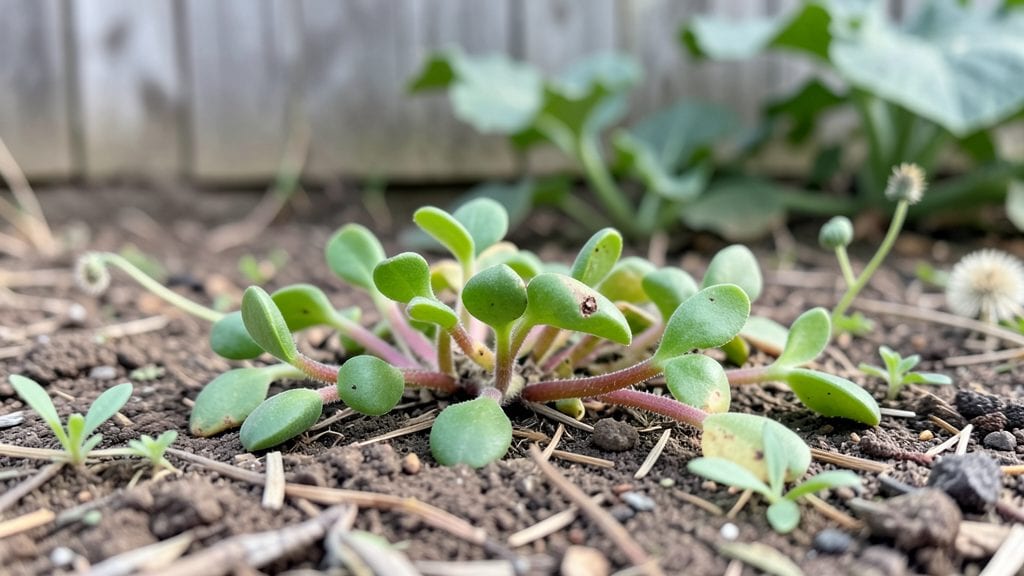
Common purslane seedlings pop up faster than most greens—in just 10 days—and I’ve learned the secret is treating them like the tough, drought-loving survivors they are. 🌱 The first time I grew them, I nearly drowned the seeds because I assumed they needed constant moisture like lettuce.
Nothing could be further from the truth: these little guys thrive with minimal fuss.
You’ll need well-draining soil (they hate soggy roots) and a spot with 4-6 hours of sun daily, though they tolerate partial shade better than most greens. The real magic happens when you let them spread—purslane’s thick, succulent stems store water, so overwatering is the fastest way to kill them.
A simple tray or shallow container works perfectly for seedlings, and they don’t need transplanting until they’re crowded.
By day 10, you’ll have a lush mat of bright green leaves ready to harvest. The flavor is tangy and slightly citrusy, perfect for salads or sautéing, and the plants keep producing as long as you give them space.
The key is patience: let them grow 3-4 inches tall before cutting, and they’ll bounce back faster than any other green I’ve tried.
Here’s the thing—purslane grows wild in many climates, so if you’ve ever pulled it from your garden thinking it was a weed, you’ve already grown it. Now you know how to cultivate it intentionally. Ready to try it?
📚 In This Guide
- What you need
- Instructions
- Tips and common mistakes
- Wrapping up and next steps
What you need
- ● Common purslane seeds: 1–2 tbsp (about 20–40 seeds). Opt for organic, non-GMO seeds for the best results.
- ● Seed-starting mix: 1–2 gallons of lightweight, well-draining potting soil (sterilized to prevent mold).
- ● Containers: Small seed trays (with drainage holes) or
- ● Biodegradable peat pots (for transplanting directly into the garden).
- ● Watering can or spray bottle: With a fine mist nozzle for gentle hydration.
- ● Grow lights or sunny windowsill: Purslane loves light! A minimum of 6–8 hours of sunlight daily (or a grow light if indoors).
- ● Gloves: To keep hands clean while handling soil.
- ● Plant labels: Markers or tags to track seedling progress.
- ○ Humidity dome or plastic wrap: Helps retain moisture during germination (optional but helpful).
- ● Fertilizer (mild & balanced): 1 tsp of 5-5-5 or fish emulsion per gallon of water (after sprouts emerge).
- ○ Thermometer (optional): Ideal germination temp: 70–80°F (21–27°C).
Step-by-Step instructions for growing common purslane seedlings
Here's how to get your fast-growing purslane seedlings up in just 10 days—no fuss, no waiting.
🌱 Step 1: Prepare Your Trays and Soil Mix
Use a shallow tray with drainage holes—purslane hates soggy roots. Fill it with 2 gallons of moistened potting mix (never garden soil—it’s too dense). Press the soil down lightly so it’s firm but not packed. I like to sprinkle a pinch of compost over the top for extra nutrients, then mix it in gently with my fingers.
Purslane germinates best in warm soil—aim for 70-75°F. If your space runs cooler, pop the tray on a seedling heat mat for a few hours before planting. The soil should feel damp like a wrung-out sponge, not dripping wet. Too much moisture slows germination.
🌱 Step 2: Sow Seeds Shallowly and Keep Them Warm
Scatter the purslane seeds thinly over the soil—don’t bury them deep. Just press them into the surface with your fingertip or a small spoon. Purslane seeds need light to germinate, so covering them would block their growth. Aim for 5-6 seeds per square inch—you’ll thin later.
Mist the tray lightly with a spray bottle until the soil looks evenly damp. Cover the tray with a clear plastic dome or wrap it in plastic wrap to trap warmth and humidity. Place it in a bright, warm spot (like a sunny windowsill or under grow lights). Check daily—condensation should form on the plastic, but no water should pool.
⏰ Step 3: Watch for Sprouts in 5-10 Days
Purslane seedlings pop up fast—usually within 5-10 days. You’ll see tiny, round cotyledons (the first leaves) pushing through the soil. Once 50% of seeds sprout, remove the plastic immediately to prevent mold. Keep the soil lightly moist—never soggy—by misting every 2-3 days or when the top inch feels dry.
Here’s the thing—purslane grows quickly, so don’t let seedlings crowd. When they reach 1 inch tall, thin them to 2 inches apart using scissors (snip at soil level) or your fingers. Save the thinnings for salads—they’re still edible!
☀️ Step 4: Move to Bright Light and Harden Off
Once seedlings have 2-3 true leaves (the second set after cotyledons), they’re ready for full sun. If growing indoors, move them to a south-facing window or under grow lights for 12-14 hours daily. You’ll know they’re happy when leaves stay dark green and compact—not stretched or pale.
To prepare for outdoor planting, harden off the seedlings over 3-5 days. Start by placing them outside in partial shade for 1 hour, then gradually increase time and sun exposure. By day 5, they should handle full sun without wilting. Purslane’s tough—it thrives in heat and drought once established.
🌿 Step 5: Transplant or Harvest Young Greens
Transplant seedlings to your garden or containers when they’re 2-3 inches tall and have 4-5 true leaves. Space them 6 inches apart in well-draining soil. Water deeply after planting to settle roots. Alternatively, harvest the youngest leaves (the tender ones near the base) when plants are 3-4 inches tall—they’re perfect for salads.
Real talk: Purslane grows so fast you’ll need to harvest often to keep it productive. Let a few flowers form for seeds, but pinch them back if you want leafy greens. With this method, you’ll have edible greens in under 3 weeks—no waiting around!
Tips & tricks for fast-germinating purslane seedlings
These quick tips will help you get your purslane seedlings thriving in record time—no waiting around!
Soil Temperature is Everything: That 70-75°F soil temperature in Step 1 is non-negotiable for fast germination. I learned this the hard way after trying to grow purslane in cooler conditions—it took nearly twice as long to sprout. If your space runs cooler, use a seedling heat mat for just a few hours before planting to kickstart germination. A simple infrared thermometer (under $20) lets you check soil temp without guessing.
Light Requirements After Germination: Once you remove the plastic in Step 3, move your tray to the brightest spot you have—even if it’s not full sun yet. Purslane seedlings grow toward light, and weak light causes leggy, stretched plants. Under grow lights? Keep them 2-3 inches above the seedlings for optimal growth. I’ve seen seedlings go from 1 inch to 3 inches in just 5 days with proper light!
Thinning Strategy: When you thin to 2 inches apart in Step 3, don’t toss those little seedlings! They’re perfectly edible—just chop them up and add to salads or smoothies. I’ve used thinnings in pesto and they add a lovely tangy flavor. The key is to thin early—crowded seedlings compete for nutrients and grow slower, which defeats the purpose of this fast-growing method.
Pro Tips for Common Purslane Seedling
- These quick tips will help you get your purslane seedlings thriving in record time—no waiting around!
- Soil Temperature is Everything: That 70-75°F soil temperature in Step 1 is non-negotiable for fast germination.
- Light Requirements After Germination: Once you remove the plastic in Step 3, move your tray to the brightest spot you have—even if it’s not full sun yet.
Frequently asked questions
Got questions about growing common purslane seedlings? You’re not alone!
Here are the most common concerns—and quick, practical answers to help you succeed with this fast-growing green.
How long does it take for common purslane seeds to germinate?
Common purslane seeds are insanely fast—expect sprouts in just 3–10 days! Warm soil (70–85°F) and consistent moisture speed things up. If germination takes longer, check seed viability or ensure they’re in well-draining soil with indirect sunlight.
Why are my purslane seedlings wilting or turning yellow?
Wilting or yellowing usually signals overwatering or poor drainage. Purslane thrives in dry soil—water only when the top inch feels dry. If roots look mushy, repot in a well-draining mix. Yellow leaves can also mean nutrient deficiency; a light fertilizer boost (like compost tea) helps.
Can I grow common purslane indoors?
Purslane adapts well to containers or windowsills with 4–6 hours of sunlight daily. Use a shallow tray (roots are shallow) and keep soil barely moist. A south-facing window or grow light works perfectly—just avoid overcrowding to prevent leggy seedlings.
What can I substitute if I can’t find purslane seeds?
If purslane seeds are MIA, try these fast-growing alternatives:
- Baby spinach (ready in 2–3 weeks)
- Arugula (peppery, harvest in 4 weeks)
- Microgreens (radish or broccoli) (sprout in 7–10 days)
- Portulaca (moss rose) (similar drought tolerance)
Does purslane need full sun, or can it grow in shade?
Purslane is sun-loving but flexible. For best growth, aim for full sun (6+ hours/day), but it tolerates partial shade (4–6 hours). In shady spots, growth slows, and stems may stretch. If indoors, supplement with a grow light to keep it compact and flavorful.
Wrapping up and next steps
Growing common purslane seedlings is a rewarding experience—especially when you see those vibrant little greens sprouting in just 10 days! 🌱 With the right soil, moisture, and care, you’re well on your way to a thriving harvest.
Whether you’re a beginner or a seasoned gardener, this fast-growing green is a fantastic addition to your garden or kitchen.
Now that you’re armed with the knowledge, why not take the next step? Start planting those seeds today and enjoy the satisfaction of homegrown, nutrient-packed greens. Happy gardening! 🌿