
Vegetables
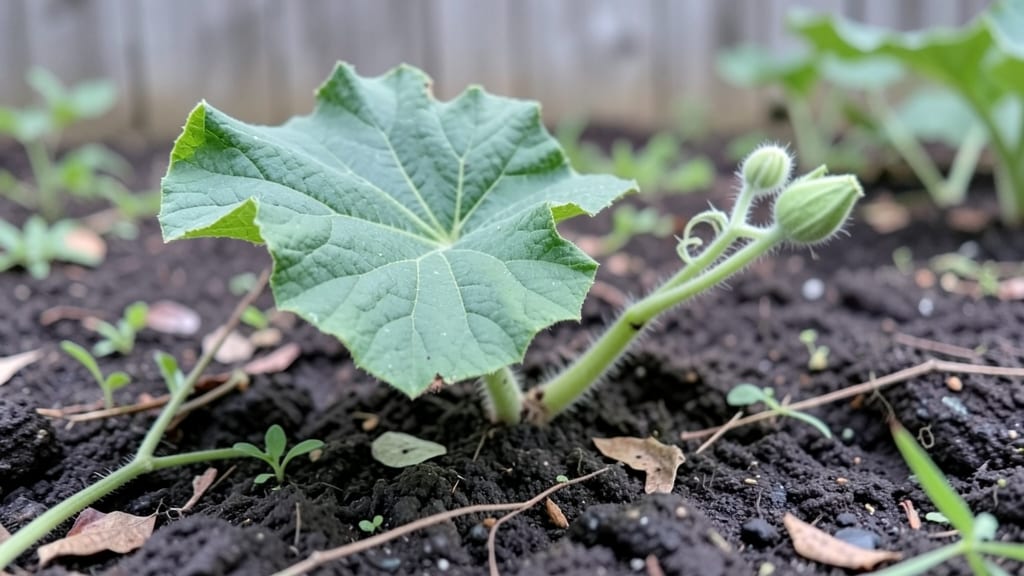
Mastering cucumber seedling identification begins with those first jagged leaves—no squash or melon will fool you once you know what to look for. 🌱 I’ve spent years helping new growers spot the telltale signs, and the difference between a healthy cucumber seedling and a confused look-alike comes down to three key details: leaf shape, stem texture, and growth speed.
Those early clues save you from pulling out the wrong plants later.
The real giveaway is the lobed, rough-edged leaves that appear almost scalloped, not smooth like squash. Healthy cucumber stems stay hairy and slightly fuzzy, while weak seedlings develop yellowing leaves or stretch too tall toward light.
I’ve seen beginners mistake squash seedlings for cucumbers because of similar leaf color, but squash leaves are broader and more rounded at the edges.
Once you confirm it’s a cucumber, you’ll want to act fast—these seedlings need transplanting within 2-3 weeks to avoid root-bound stress. Keep an eye out for aphids or damping-off fungus, which can turn those promising starts into sad, wilted messes.
The right identification now means bigger harvests later with fewer surprises.
This works for both garden beds and containers, so whether you’re growing in soil or pots, the same rules apply. Let’s get those seedlings thriving before they outgrow their space—or your patience.
Common Causes of Misidentifying Seedlings
When you’re staring at a tray of tiny green sprouts, it’s easy to assume they’re all cucumbers—until you notice one looks suspiciously different. Misidentifying cucumber seedlings often boils down to a mix of biological quirks, environmental factors, and even sneaky garden pests.
Understanding why these mix-ups happen can save you time, space, and a future battle with unwanted vines. Let’s break down the real culprits behind seedling confusion.
Not all seeds are what they seem. If you’re using heirloom or hybrid seeds, some may behave unexpectedly due to cross-pollination or accidental mixing. For example:
- Cross-pollination: Cucumbers (Cucumis sativus) can cross with wild relatives like Cucumis hardwickii or even squash (Cucurbita spp.), especially if they’re planted nearby. The result? Seedlings with unexpected leaf shapes—lobed, serrated, or deeply veined—rather than the classic cucumber’s smooth, palmate leaves.
- Seed contamination: Stale or improperly stored seeds may sprout into volunteer plants (weeds or related species) that tag along with your intended crop. A common culprit is wild cucumber (Echinocystis lobata), whose seedlings resemble cucumbers but grow into aggressive, thorny vines with star-shaped leaves.
- Mislabeling: Even reputable seed packets can be swapped or mislabeled in storage. A bag marked "Marketmore Cucumber" might actually contain zucchini or melon seeds, leading to seedlings with broad, rough leaves instead of cucumber’s delicate, serrated edges.
Actionable fix: Buy seeds from trusted suppliers, store them in airtight containers, and test a few seedlings before committing to transplanting. If in doubt, snap a photo and compare it to a local university extension guide.
Seedlings don’t just pop up identical—they’re shaped by their growing conditions from day one. Extreme temperatures or inconsistent moisture can trigger abnormal growth patterns that make identification tricky:
- Cold soil delays: If soil temps dip below 50°F (10°C), cucumber seeds may germinate slowly or unevenly, producing stunted, yellowish seedlings with thicker stems—a trait more common in stressed plants than healthy ones.
- Heat shock: Sudden warmth (above 90°F/32°C) can cause "damping-off", where seedlings develop dark, mushy stems and collapse. Survivors may sprout with irregular leaf shapes due to rapid, unbalanced growth.
- Moisture swings: Alternating between drought and flood stresses seedlings, leading to crinkled or curled leaves—a red flag that the plant isn’t thriving. Some growers mistake these for pest damage when it’s actually a watering issue.
Actionable fix: Use a seedling heat mat to maintain 70–85°F (21–29°C) soil temps and keep moisture consistently damp (not soggy). If leaves look off, check the stem base for signs of rot or pests before assuming it’s a misidentified species.
Before you can even label your seedlings, insects or pathogens might have already altered their appearance. Common culprits include:
| Pest/Disease | What It Does to Seedlings | How It Mimics Misidentification |
|---|---|---|
| Fungal damping-off (Pythium, Rhizoctonia) | Dark, watery stems; seedlings topple over | Makes healthy cucumber seedlings look dead or deformed, leading to confusion with weak wild types |
| Aphids | Curled, yellowed leaves; sticky residue ("honeydew") | Distorts leaf shape, making them resemble stressed squash seedlings instead of cucumbers |
| Cutworms | Cleanly severed stems at soil level | Surviving seedlings may look stunted or malformed, tricking growers into thinking they’re a different species |
| Powdery mildew | White, powdery coating on leaves | Alters leaf texture, making identification harder (especially in low light) |
Actionable fix: Inspect seedlings daily for pests or fungal signs. Use neem oil or soapy water sprays preemptively, and avoid overcrowding trays (which traps humidity and invites disease). If a seedling looks "off," isolate it before the issue spreads.
Cucumbers aren’t the only plants with palmate leaves and vines. Several close relatives can throw you off if you’re not paying attention to key details:
- Squash (Summer/Winter):
- Leaf shape: Broad, lobed, or jagged edges (vs. cucumber’s smooth, serrated lobes)
- Stem: Thicker, often hairy or ridged
- Tell-tale clue: Squash seedlings may show cotyledons (first leaves) that are more rounded than cucumber’s pointed tips.
- Melons (e.g., Cantaloupe, Honeydew):
- Leaf shape: Deeply serrated, sometimes fragrant when crushed (cucumber leaves aren’t strongly scented)
- Stem: Often woody or ridged as they mature
- Tell-tale clue: Melon seedlings may have hairy stems early on, unlike cucumbers.
- Bitter Melon (Momordica charantia):
- Leaf shape: Star-shaped with sharp spines along the stem
- Stem: Prickly, unlike cucumber’s smooth stems
- Tell-tale clue: If your "cucumber" seedlings have thorns, it’s not a cucumber!
Actionable fix: Learn the cotyledon stage
Identifying your cucumber seedlings correctly is just the first step—now it’s time to tackle the issues that might be holding them back. Whether your seedlings are leggy, stunted, or showing signs of disease, these practical solutions will help you revive and strengthen them. Below, we’ve mapped out the most common problems and their fixes, along with prevention tips to keep your seedlings thriving. Thin your seedlings early to give each plant enough space to grow. Here’s how: Prevention: Start with properly spaced seeds or transplant seedlings into larger containers early. If sowing directly, follow seed packet spacing guidelines. Leggy seedlings need immediate support and better growing conditions: Prevention: Use a seedling heat mat (70–75°F) to speed up germination and avoid overwatering. Thin seedlings sooner rather than later to reduce competition. Act fast to prevent spread and save your seedlings: Prevention: Sterilize soil and containers before planting. Avoid overhead watering, and choose disease-resistant cucumber varieties if fungal issues are common in your area. Combat pests without harsh chemicals: Prevention: Inspect seedlings regularly, especially after bringing them indoors or from a garden center. Use row covers for outdoor seedlings to block pests. Adjust the environment to keep seedlings happy: Prevention: Monitor your growing space with a thermometer. Avoid planting cucumbers until soil temps are consistently above 60°F. With these fixes, your cucumber seedlings should bounce back stronger than ever. Remember, prevention is key—proper spacing, sunlight, and airflow will save you from most headaches down the road. Happy growing! 🌱💚 Look for palmate leaves with jagged, scalloped edges—cucumber seedlings have 3-5 lobes with rough, serrated edges. The stems stay hairy and slightly fuzzy, and the first true leaves appear within 1-2 weeks after germination. Compare to squash (broader leaves) or melons (stronger scent). Common look-alikes include squash (broader leaves) and wild cucumber (thorny vines). Check the cotyledons (first leaves)—cucumber seedlings have pointed tips, while squash are more rounded. Also verify the stem texture: cucumbers stay fuzzy, while melons develop woody ridges. Don't panic! If they're edible varieties like squash or melons, you can still grow them. For weeds or bitter plants (like bitter melon), remove them immediately to prevent cross-pollination. Test unknown plants by tasting a small piece if safe—though always confirm identification first. Transplant within 2-3 weeks of germination to avoid root-bound stress. Healthy seedlings should have 2-3 true leaves and 1-2 inches of stem. Delaying too long risks stunted growth or shock when moved to garden beds. Compare your seedlings to online plant databases like the University of Minnesota Extension or apps like PlantNet. Take photos of both leaves and stems—the combination is key. For quick verification, check the leaf vein pattern (cucumbers have prominent veins).Quick Fixes for Common Seedling Struggles
Frequently asked questions
How can I tell if my young plant is a cucumber seedling?
Why do some of my seedlings look like cucumbers but aren't?
What should I do if I accidentally planted non-cucumber seedlings?
How long do I have to identify and transplant cucumber seedlings?
Can I use photos to identify my seedlings?