Vegetables
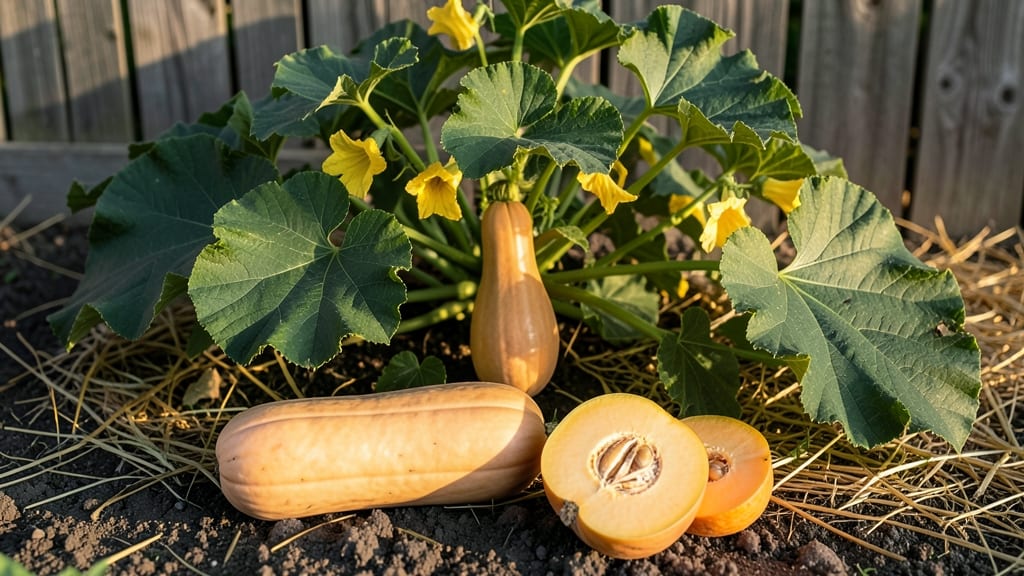
Yes, butternut squash does have seeds, though they’re small, flat, and clustered near the center of the fruit. Unlike pumpkin seeds, they’re not edible raw and require cooking or roasting for safe consumption, with a mild, nutty flavor similar to pumpkin seeds. The flesh surrounding them is the primary edible part of the squash.
Butternut squash seeds develop naturally as part of the fruit's reproductive cycle, forming after pollination and growing inside the cavity where the squash's stem connects. 🌱 These tiny, oblong seeds are encased in a thin membrane, which is why they're often overlooked when carving the squash.
While they won't harm you raw, their bitterness and potential toxins make cooking essential before eating—think of them like raw cashews, which also need toasting to unlock their full flavor potential.
Once properly prepared, these seeds can be seasoned with salt, smoked paprika, or even maple glaze for a delicious snack. I've used them in place of pumpkin seeds in granola recipes, where their subtle sweetness shines through.
The key difference from pumpkin seeds lies in their delicate texture and milder taste, making them perfect for those who prefer a more understated crunch.
💡 In This Article
- Butternut Squash Seed Anatomy and Growth Process
- Harvesting, Cooking, and Using Butternut Squash Seeds
Butternut squash seed anatomy and growth process
Here's what's actually happening inside that butternut squash: those tiny seeds form through a fascinating botanical process. After pollination—where pollen from male flowers fertilizes female flowers—each fertilized ovary begins developing into the fruit we recognize.
Inside, the ovules transform into seeds while the ovary walls thicken into the squash's edible flesh. The seeds themselves are arranged in a spiral pattern within the central cavity, a natural design that maximizes space efficiency in the growing fruit.
The seeds themselves are typically about 1/4 inch long and 1/8 inch wide, with a flat, oval shape that makes them distinct from the larger, more rounded seeds of pumpkins or gourds.
Their placement near the stem end isn't random—this area receives the most nutrients during growth, allowing the seeds to mature fully.
What most people don't realize is that these seeds contain trace amounts of cucurbitacin, a natural compound that can cause bitterness if consumed raw—similar to why raw cashews need toasting to remove their natural toxins.
The growth process takes about 45-55 days from pollination to full maturity, during which time the seeds develop from soft, white structures to their final hard, brown appearance. This timeline explains why butternut squash seeds are smaller than their pumpkin counterparts—they have less time to grow before harvest.
The seed's outer shell contains about 30% oil content, which is why they develop that rich, nutty flavor when properly cooked, much like how sunflower seeds release their oils when roasted.
What makes butternut squash seeds different from other winter squash varieties is their delicate membrane—thinner than pumpkin seeds but thicker than zucchini seeds. This membrane protects the embryo inside while allowing nutrients to transfer during growth.
When you cut into a ripe butternut squash, you'll often find these seeds clustered in groups of 30-50 per cavity, surrounded by a thin layer of stringy pulp that needs to be removed before cooking.
Interestingly, these seeds play a crucial role in the plant's life cycle beyond just reproduction. They contain all the genetic information needed to grow a new butternut squash plant, with their hard outer shell providing protection during germination.
The seed's size and shape actually help with dispersal—birds and small animals often carry them away from the parent plant, creating new growth opportunities in different locations. This natural dispersal mechanism explains why butternut squash plants can thrive in diverse environments once established.
One fascinating comparison is how these seeds differ from their pumpkin relatives. While pumpkin seeds are larger (1/2 inch long) and more triangular, butternut squash seeds are flatter and more elongated—almost like tiny, oblong rice grains.
This difference affects their culinary uses, with butternut seeds being better suited for grinding into flour or using in delicate seasoning blends rather than as a standalone snack like pumpkin seeds.
Understanding this growth process helps explain why the seeds are always found near the stem end—they develop from the flower's ovary, which remains connected to the plant's vascular system longest.
This concentrated nutrient flow is what allows the seeds to reach maturity while the surrounding fruit develops its signature sweet, orange flesh. 💫