
Lawn
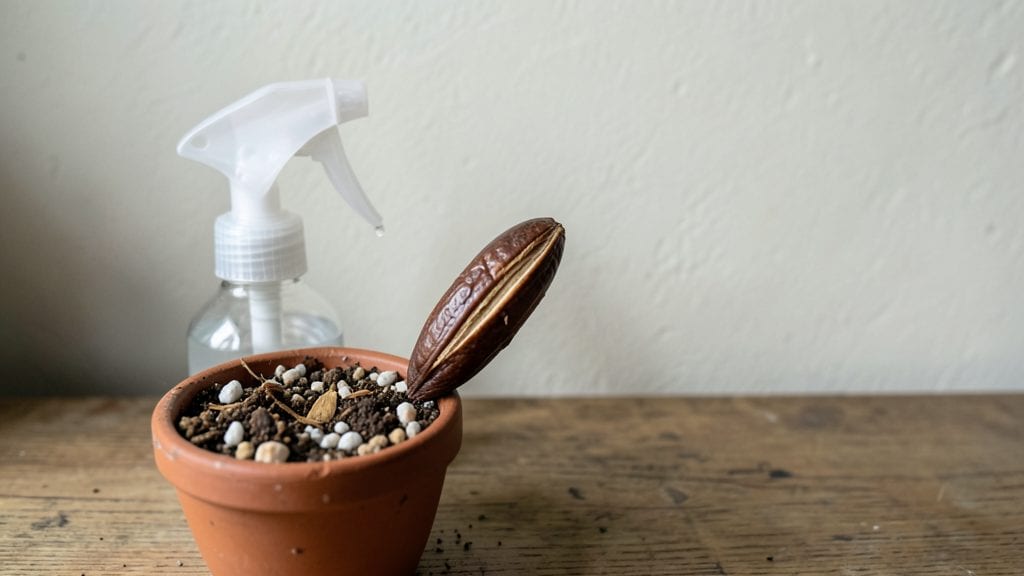
Turning that dried mango pit into a tropical tree might sound like magic, but it’s a straightforward process anyone can master with the right steps. ✨ I’ve grown three mango trees from store-bought seeds, and the first leaves appear within weeks—proof that even kitchen scraps hold potential.
The key is patience and knowing exactly when to soak, plant, and nurture those tiny seeds.
You’ll need just a few supplies: a warm spot, a small pot with drainage, and a mix of potting soil and perlite to keep roots happy. Most people skip the soaking step, but I’ve found soaking the seed for 24 hours before planting nearly doubles germination rates.
The seeds need warmth—think 75-85°F—and bright, indirect light to avoid leggy seedlings that flop over.
By month three, you’ll have a sturdy sapling with glossy leaves, though don’t expect fruit for 5-10 years—these trees take time to mature. The real reward is watching it grow from a scraggly seedling into a small tropical tree that thrives indoors or outdoors in warm climates.
With proper care, you’ll have a living reminder of your first gardening win.
Here’s where it gets interesting—most homegrown mango trees need grafting to produce fruit, but the tree itself becomes a stunning ornamental plant. Whether you’re growing it for the journey or the future harvest, the process is oddly satisfying. Let’s get those seeds sprouting!
📚 In This Guide
- What you need
- Instructions
- Tips and common mistakes
- Wrapping up and next steps
What you need
- ● Dried mango seeds: 3–5 fresh, dried mango pits (ensure they’re fully dried and hard—no soft or moldy seeds!).
- ● Paper towels or coffee filters: 2–3 sheets (for germination prep).
- ● Plastic bag or airtight container: 1 medium-sized (to create humidity for sprouting).
- ● Small pots or seed trays: 3–5 (3–4 inches in diameter, with drainage holes).
- ● Potting soil: 1 bag (well-draining, organic mix—look for keywords like "seed starting" or "cactus/succulent blend").
- ● Spray bottle: 1 (for gentle watering).
- ○ Clear plastic wrap or humidity dome: 1 (optional but helpful for retaining moisture).
- ● Grow lights or sunny windowsill: Access to indirect sunlight (6+ hours/day) or a 12–14 inch LED grow light.
- ○ Fertilizer (optional): Balanced liquid fertilizer (5-5-5 or 10-10-10 NPK ratio) for seedlings.
- ● Patience! Germination can take 2–6 weeks—consistency is key.
- ● Safety first: Wear gloves when handling dried mango pits (they can be sharp!).
- ● Pro tip: Soak seeds in warm water for 24 hours before planting to speed up germination. 💡
- ● Location: Choose a warm spot (70–85°F) for optimal growth.
Step-by-Step instructions for growing a mango tree from a dried seed
Turn that leftover dried mango pit into a lush tropical tree with these simple steps.
🌱 Step 1: Prepare the Seed for Germination
Start by cleaning the dried mango seed—scrub off any remaining fruit flesh with warm water and let it dry completely for 24 hours. The seed’s hard outer shell slows water absorption, so soak it in lukewarm water for 7-10 days, changing the water daily. Place the seed in a small mesh bag or a jar with holes to keep it submerged but allow airflow.
You’ll know it’s ready when the shell softens and a tiny white root (radicle) emerges. This can take 5-14 days, depending on room temperature—75-80°F speeds things up. If mold appears, rinse the seed and refresh the water immediately. Patience here pays off—rushing the soak can damage the seed.
🪴 Step 2: Plant the Germinated Seed
Fill a 4-inch diameter pot with well-draining potting mix (avoid garden soil—it compacts and suffocates roots). Make a 1-inch deep hole in the center and place the germinated seed ½ inch deep, with the root pointing downward. Gently press the soil around it to secure it without compacting.
Water lightly until the soil feels moist but not soggy. Place the pot in a bright, indirect light spot—direct sun can scorch the delicate seedling. Cover the pot with a clear plastic bag to retain humidity, but remove it daily for 10 minutes to prevent mold. Within 2-4 weeks, you’ll see the first true leaves (not the initial seed leaves)—this is your cue to start normal watering.
☀️ Step 3: Care for the Seedling
Once the seedling has 3-4 true leaves, move it to a sunny windowsill or under a grow light for 12-14 hours daily. Mango seedlings need bright, indirect light to avoid leggy growth. Water when the top inch of soil feels dry, but avoid overwatering—yellowing leaves signal too much moisture.
After 3 months, if the seedling has 4-5 leaves and a 2-inch stem, it’s time to repot into a 6-inch pot with fresh potting mix. Fertilize lightly with a balanced liquid fertilizer (5-5-5) every 4-6 weeks in spring and summer. By 6 months, you’ll see the first buds—these will eventually bloom into fragrant white flowers.
⏰ Step 4: Transition to Outdoor Growth
When temperatures stay above 50°F at night, acclimate the seedling outdoors by placing it in partial shade for 2-3 hours daily, gradually increasing exposure over 2 weeks. After 4 weeks, it can handle full sun for 6+ hours daily. Choose a protected spot—young mango trees are sensitive to wind and frost.
Water deeply 2-3 times weekly, ensuring the soil drains well. Mature mango trees thrive in USDA Zones 10-11, but container-grown trees can survive cooler climates if brought indoors during winter. With consistent care, your seedling could produce fruit in 3-5 years—though it may take longer for tropical varieties to bear fruit in cooler regions.
Tips & tricks for growing a mango tree from a dried seed
Here's what I learned the hard way after watching seeds fail—these tricks make all the difference between a thriving tree and a sad, moldy experiment.
Soaking Strategy: The 7-10 day soak in Step 1 is non-negotiable, but here's the thing: use a mesh bag or jar with holes to keep the seed submerged without trapping stagnant water. I tried just placing it in a bowl once, and the water turned murky within 24 hours—mold set in by day 4. Change the water daily, and if you see any fuzzy growth, rinse immediately. The goal is to soften the shell while preventing bacteria.
Temperature Matters: That 75-80°F range in Step 1 isn't just a suggestion—it's the sweet spot for germination. If your home runs cooler, place the soaking container near a sunny window or use a small heating pad set to low under the jar. I've seen seeds take twice as long to sprout when kept below 70°F. Once the radicle appears, keep it warm until planting to prevent it from drying out.
Lighting Secrets: In Step 3, when you move to bright indirect light, here's the visual cue: your seedling should grow toward the light but never touch it. If it starts leaning dramatically, rotate the pot daily. I use a grow light on a timer for 12-14 hours—it's more consistent than windowsill light. And watch for leggy growth (long stems with small leaves)—that's a sign it needs stronger light or less time in shade.
Transplanting Timing: The 3-month mark for repotting in Step 3 is perfect, but here's the subtle detail: check for roots growing through the drainage holes. If you see any, it's definitely time. When repotting, use a pot just 2 inches larger in diameter than the current one—too big too soon can drown the roots. I always add a handful of perlite to the fresh potting mix for better drainage, especially since mango trees hate soggy feet.
Pro Tips for Dried Mango Seed
- Here's what I learned the hard way after watching seeds fail—these tricks make all the difference between a thriving tree and a sad, moldy experiment.
- Soaking Strategy: The 7-10 day soak in Step 1 is non-negotiable, but here's the thing: use a mesh bag or jar with holes to keep the seed submerged without trapping stagnant water.
- Temperature Matters: That 75-80°F range in Step 1 isn't just a suggestion—it's the sweet spot for germination.
Frequently asked questions
Got questions about growing dried mango seeds? You’re not alone! Here are some of the most common queries—plus quick, practical answers to help you succeed.
Can I grow a mango tree from a dried seed?
Yes!
Dried mango seeds (like those from store-bought mangoes) can sprout, but they’re trickier than fresh seeds. Soak them in warm water for 24–48 hours to soften the hard shell before planting. Germination may take weeks or even months, so patience is key.
How long does it take for a dried mango seed to sprout?
Timing varies! With proper soaking and warmth (70–85°F), you might see sprouts in 2–6 weeks. Some stubborn seeds take 2–3 months. Keep the soil moist but not soggy, and place the pot in a bright, indirect-light spot.
Do I need to use special soil for mango seed germination?
Not necessarily! A well-draining seed-starting mix (or even a 50/50 blend of potting soil and perlite) works great. Avoid heavy garden soil—it can suffocate the seed. A small pot (4–6 inches) with drainage holes is ideal.
Can I use dried mango seeds from a grocery store?
Absolutely!
Store-bought dried mango seeds are perfect for growing—just ensure they’re firm and intact (no cracks or mold). Rinse them gently before soaking to remove any residue. Pro tip: Choose seeds from ripe, organic mangoes when possible for better success.
Will my mango tree grow true to the parent fruit?
Probably not! Seed-grown mangoes often produce different varieties than the parent fruit. For consistent results, grafted trees are best. But don’t worry—your tree will still be a beautiful, tropical addition to your garden, even if the fruit tastes unique!
Still stumped? Drop your question in the comments—we’re happy to help!
Wrapping up and next steps
Growing a mango tree from a dried seed isn’t just fun—it’s a rewarding journey that connects you to nature’s bounty! 🌱 Whether you’re an urban gardener or a curious beginner, this simple method proves that even kitchen scraps can become something extraordinary.
Start small, stay patient, and soon you’ll be harvesting your own tropical treasure.
Ready to take the next step? Plant that seed today—your future mango tree is waiting! 🌳💚