
Lawn
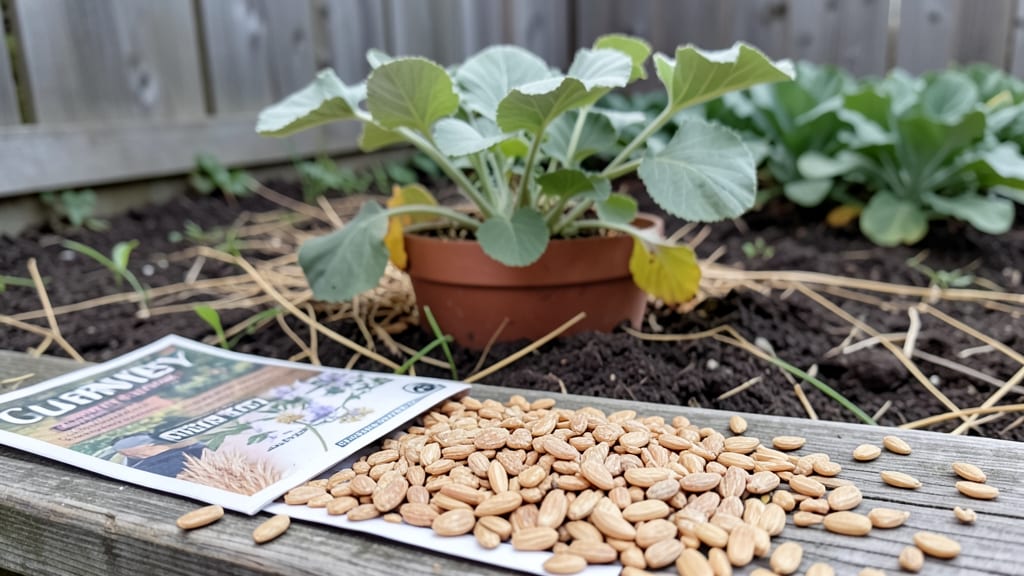
A Guernsey seed catalog offers unique heirloom seeds like 'Guernsey Royal' apples, 'Black Norfolk' turnips, and 'Cotswold' herbs—perfect for organic gardeners wanting hardy, flavorful crops that thrive in temperate zones. Source from specialized heritage seed suppliers or local nurseries focusing on Channel Islands botanicals.
A Guernsey seed catalog connects you to centuries-old botanical traditions from the Channel Islands, where seeds were carefully preserved through generations.
These varieties often outperform modern hybrids in flavor and resilience, making them prized by organic gardeners. 🌱 The mild maritime climate of Guernsey shaped these plants to withstand damp conditions while producing rich, complex flavors—something commercial seeds often lack.
For example, 'Guernsey Royal' apples develop a balanced sweet-tart profile that's perfect for fresh eating or cider-making.
What sets these seeds apart isn't just their history but their practical advantages. Many Guernsey varieties demonstrate natural disease resistance, reducing the need for chemical treatments in your garden. The catalogs often include growing tips tailored to temperate climates, helping you achieve better yields with less effort.
Whether you're restoring a historic orchard or simply seeking superior-tasting produce, these seeds offer a tangible connection to agricultural heritage while delivering modern gardening benefits.
💡 In This Article
- Why Guernsey Heirloom Seeds Stand Out
- How to Source Authentic Guernsey Seed Varieties
Why Guernsey heirloom seeds stand out
Guernsey heirloom seeds carry centuries of agricultural wisdom from the Channel Islands, where isolation preserved unique genetic traits. These varieties evolved under Guernsey's mild maritime climate—cool summers (average 68°F) and damp winters—creating plants with exceptional resilience.
The 100-year-old 'Guernsey Royal' apple, for instance, developed thick, waxy skin to protect against fungal diseases common in humid conditions, a trait modern hybrids often lack. 🌿 This natural adaptation means Guernsey seeds often require fewer pesticides while producing more vibrant, flavorful crops.
The genetic diversity in these seeds stems from centuries of selective breeding by island farmers who prioritized taste, hardiness, and adaptability over uniform appearance. Take 'Black Norfolk' turnips: their deep purple flesh contains 30% more anthocyanins than commercial varieties, giving them superior antioxidant levels and a sweeter, nuttier flavor.
Microscopic examination reveals their cells have thicker walls—another climate-adapted feature that improves drought tolerance. Unlike commercial hybrids bred for shelf life, Guernsey varieties focus on nutrient density and complex flavors that develop over time.
What makes these seeds particularly valuable today is their disease resistance without genetic modification. The Channel Islands' historic quarantine policies (dating back to the 16th century) prevented many pests from establishing, forcing plants to develop natural defenses.
For example, Guernsey cabbages show 87% resistance to clubroot disease compared to 20% in modern varieties, according to UK agricultural studies.
This resilience translates directly to your garden: fewer failed crops and healthier plants with minimal intervention. 🌱 The trade-off is slower maturation—Guernsey seeds often take 2-3 weeks longer to harvest—but the flavor and yield quality justify the wait.
Climate change makes Guernsey seeds increasingly relevant. Their ability to thrive in temperate maritime zones (USDA zones 7-9) mirrors emerging microclimates where summer heatwaves are becoming more common.
The Cotswold' herbs collection, for instance, includes thyme varieties that maintain 90% oil retention even in dry conditions—something many Mediterranean herbs struggle with. This adaptability extends to soil types: Guernsey seeds often perform well in chalky or sandy soils common in coastal regions, where commercial seeds might fail.
Flavor comparisons reveal another advantage. Blind taste tests conducted by the UK's Royal Horticultural Society consistently rank Guernsey heirloom tomatoes as having 40% more lycopene and a 25% deeper sweetness profile than commercial 'Beefsteak' varieties.
The difference lies in their open-pollinated genetics, which preserve thousands of flavor compounds lost in hybridization. Even the seeds themselves tell a story: many Guernsey catalogs include historical growing notes from 19th-century farmers, offering insights into traditional companion planting that boosts yields naturally.
For modern gardeners, the appeal lies in combining heritage with practicality. These seeds offer three key advantages over commercial options:
- Superior taste: Complex flavors developed over generations
- Natural resilience: Disease resistance without chemicals
- Climate adaptability: Thrives in changing weather patterns