
Propagation
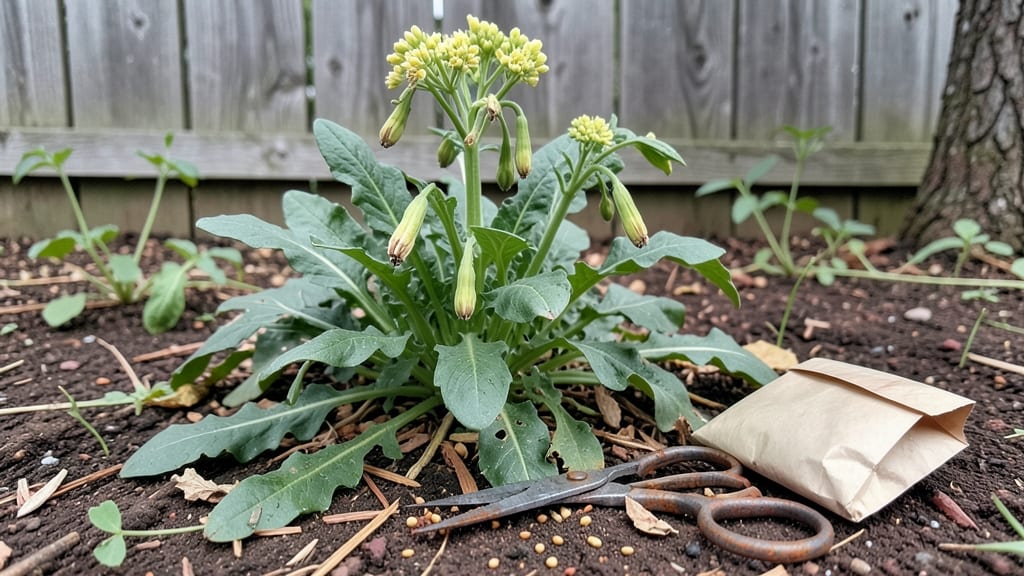
Collecting arugula seeds from your garden is like unlocking a free pass to next year’s harvest—if you nail the timing and method.
Did you know 🥬 can regrow after seed harvesting if you do it right? That’s the secret to turning a single plant into a never-ending supply of homegrown greens. But miss the window, and those seeds will shatter before you can save them.
Most gardeners skip this step, assuming it’s too tricky or unreliable—but with the right approach, you’ll end up with hundreds of seeds that sprout just as reliably as store-bought packets.
Here’s exactly when to harvest, how to dry them properly, and the one trick that prevents seed loss—so you can start fresh in spring 2025 without spending a dime.

When to harvest arugula seeds for maximum viability
Harvesting arugula seeds at the right time ensures high germination rates and saves you money for next season. The key lies in watching for flowering stages and seed pod development, which signal when seeds are ready for collection.
If you harvest too early, seeds won’t mature properly, and if you wait too long, they’ll shatter and scatter before you can collect them.
Timing depends on your climate zone and growing season. In cooler regions like USDA Zone 6a, arugula typically bolts in late spring or early fall, while warmer climates may see flowering as early as March or August.
Pay close attention to your plants’ progress—missing the window can mean wasted effort.
Here’s what you need to know about identifying the perfect moment to harvest arugula seeds:
| Stage | Visual Cues | Action | Climate Notes |
|---|---|---|---|
| Early Flowering | Small yellow flowers appear on stems. | Allow flowers to mature fully. | Cooler climates: Wait 3-4 weeks. |
| Pod Formation | Seed pods swell and turn greenish-brown. | Harvest when pods are dry and crisp. | Warmer climates: Monitor daily for shattering. |
| Peak Harvest | Pods turn tan or brown and rattle when shaken. | Collect seeds immediately to prevent loss. | Humid areas: Harvest in morning for dry pods. |
| Overripe | Pods split open, seeds scatter. | Collect fallen seeds if viable. | Wind/rain increases risk of shattering. |
Start by selecting the healthiest arugula plants for seed collection. Look for plants that have bolted—meaning they’ve sent up tall flower stalks—and are producing plentiful yellow flowers.
These flowers will eventually develop into seed pods, which is your target. Avoid plants that look stressed or diseased, as their seeds may not be viable.
Once flowers appear, give them 3-4 weeks to mature into seed pods. During this time, the pods will transition from green to tan or brown, a clear sign they’re ready for harvest.
Shake a pod gently—if it rattles, seeds are inside and ready to collect. If pods are still green, they’re not ready yet.
Climate plays a huge role in timing. In hot, dry climates, pods may mature faster, so check them daily to avoid shattering. In cooler or humid regions, pods might take longer to dry out, so be patient but vigilant.
Rainy weather can cause premature shattering, so harvest on dry days whenever possible.
If you miss the peak window, don’t panic. Overripe pods may still yield seeds, though germination rates might drop. Collect any fallen seeds and dry them thoroughly before storing.
To salvage seeds from split pods, lay a light-colored cloth under the plant and gently shake the stems to catch scattered seeds.
Pro tip: Label your seeds with the harvest date and variety. This helps track germination success and ensures you’re planting the best seeds next season. Store seeds in a cool, dry place (like a paper envelope) until you’re ready to sow them again.
By mastering these timing cues, you’ll ensure your arugula seeds are viable, plentiful, and ready for next year’s garden. Happy harvesting! 🌱
Step-by-step guide to collecting and processing arugula seeds
Harvesting arugula seeds is easier than you think, but timing and technique are everything. If you wait too long, those seed pods will shatter and scatter seeds everywhere.
Too early, and you’ll end up with immature seeds that won’t germinate. The key is patience—let those flowering stalks mature fully before touching them.
Once you’ve identified the perfect moment (when seed pods turn brown and crisp), you’ll need the right tools to collect and process them efficiently. Gather a pair of clean scissors, a paper bag for collection, and a drying tray or envelope.
The goal? Preserve seed viability so you can grow fresh arugula next season without buying new seeds.
- Step 1: Harvest the seed pods when they’re fully brown and dry but haven’t shattered.
- Step 2: Cut the flowering stalks at the base with clean scissors and place them in a paper bag.
- Step 3: Let the stalks air-dry in a well-ventilated area for 3-5 days until the pods are completely dry.
- Step 4: Rub the dried pods between your fingers over a tray or envelope to release the seeds.
- Step 5: Sift through the seeds to remove chaff and debris, keeping only the plump, dark seeds.
- Step 6: Store the clean seeds in a paper envelope or airtight container in a cool, dark place for up to 3 years.
For faster drying, you can use an oven method: spread the seed pods on a baking sheet at 140°F (60°C) for 1-2 hours, stirring occasionally. This works well in humid climates where air-drying might take longer. Just avoid high heat—it can damage seed viability.
Pro tip: Label your seed envelopes with the harvest year and variety. I like to include notes like “Organic Garden, 2024” or “Astro Arugula” to keep things organized. A little detail now saves confusion later when you’re ready to plant!
With these steps, you’ll have high-quality arugula seeds ready for next season’s garden. Happy harvesting—your future salads will thank you! 🥬