Blooming
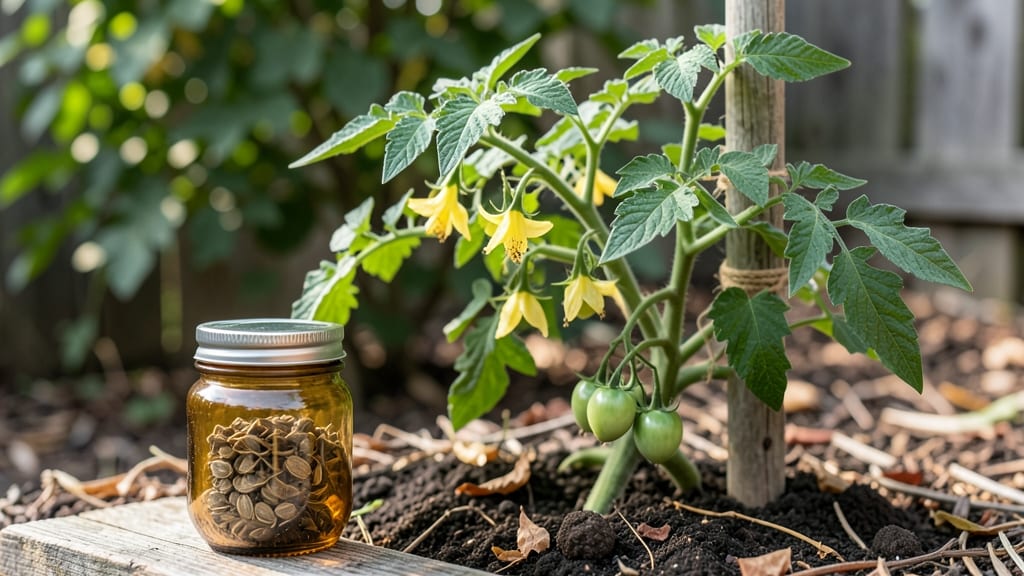
Tomato seeds remain viable for 3 to 5 years when stored properly in cool, dry conditions, though germination rates decline after the first year. Optimal storage includes sealed containers, moisture control, and temperatures below 40°F to preserve longevity.
Understanding how long tomato seeds stay viable helps gardeners plan ahead for next season's harvest. 🌱 The key to extending their shelf life lies in controlling moisture and temperature—even slight humidity or warmth can trigger premature sprouting or deterioration.
I've found that paper envelopes work almost as well as commercial desiccant packets, especially when stored in a cool basement or refrigerator drawer. What's fascinating is that heirloom varieties often outlast hybrid seeds, thanks to their thicker seed coats and genetic resilience.
For those who want to push viability beyond five years, freezing seeds in sealed containers with a moisture absorber is your best bet. The cold slows down metabolic processes, preserving the seed's internal structure.
Just remember: older seeds may take longer to germinate, so don't be discouraged if your first planting attempt shows slower sprouting rates.
💡 In This Article
- Factors Affecting Tomato Seed Viability Over Time
- Best Tomato Seed Storage Methods for Maximum Longevity
Factors affecting tomato seed viability over time
Here's what's actually happening inside that seed packet: tomato seeds are living organisms with delicate biological processes that determine their lifespan. The seed coat acts like a natural barrier, protecting the embryo from environmental damage while maintaining dormancy.
When this protective layer stays intact and dry, it preserves the seed's internal moisture balance—critical for enzymatic activity that keeps the embryo alive. Think of it like a tiny, airtight capsule where every molecule matters.
The key factor is water activity—seeds need to stay below 10% moisture content to prevent microbial growth and enzymatic degradation. At room temperature, seeds lose viability 10-20% per year due to natural aging processes, but this accelerates dramatically when exposed to humidity above 50%.
The science behind this involves lipid oxidation in the seed membrane, which creates free radicals that damage cellular structures over time. Even a single humid summer in improper storage can reduce germination rates by 30-50%.
Temperature thresholds create another critical boundary: seeds stored above 77°F experience accelerated aging equivalent to 2-3 extra years of storage time. This is why cool basements (50-60°F) work better than kitchen cabinets. The cold slows metabolic processes while preventing heat-induced protein denaturation in the seed embryo.
Oxygen exposure also plays a role—limited air prevents oxidative damage, which is why sealed containers outperform open jars by 2-3 years in viability.
What most people don't realize is how genetic variability affects these timelines. Heirloom varieties with thicker seed coats (like Brandywine or Cherokee Purple) often maintain 80% germination after 5 years, while modern hybrids may drop below 50% after just 3 years.
The seed coat's permeability to gases and water varies by variety—some absorb moisture 30% faster than others, making them more vulnerable to storage conditions.
Seed dormancy mechanisms also shift over time. Fresh seeds often require stratification (cold treatment) to break dormancy, but older seeds may need scarification (nick the seed coat) to trigger germination. This is why your 5-year-old seeds might sprout more reliably when soaked in warm water for 24 hours before planting.
The biological clock inside each seed ticks differently based on these storage conditions.
Consider these biological realities when planning your seed storage: a 1% moisture increase can cut viability by 1 year, while a 10°F temperature rise accelerates aging by 50%. The combination creates what seed scientists call "storage life curves"—where small environmental changes have outsized impacts on longevity. 💫