
How To
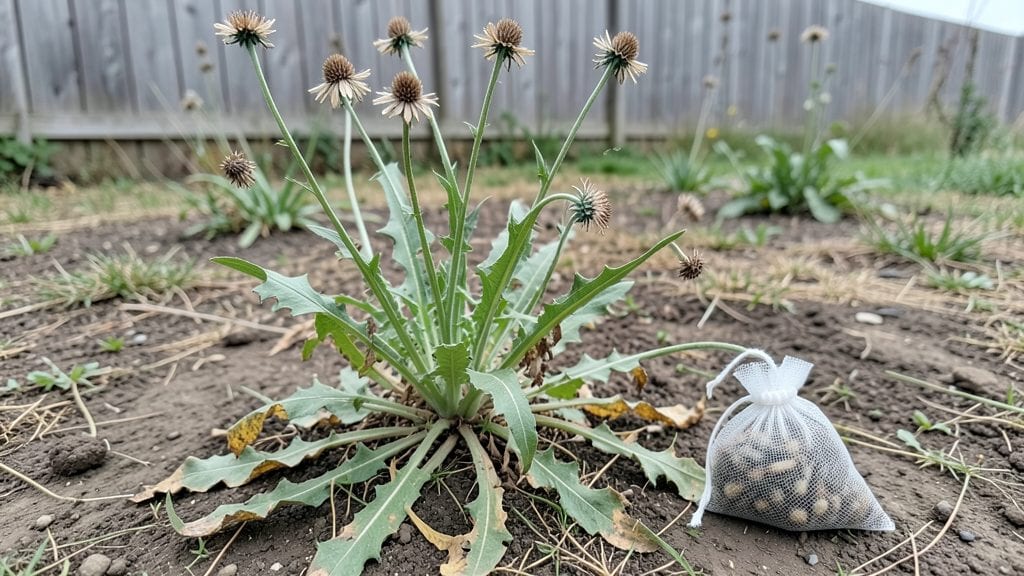
Harvesting chicory seeds at the perfect moment turns your garden into a self-sustaining treasure chest 🌱—just before the wind steals them away.
Chicory’s delicate blue flowers may seem fleeting, but timing your harvest right means you’ll bag seeds that stay fresh for years—whether you’re brewing your own coffee substitute or planting next year’s crop. Miss the window, and you’re left with empty pods or seeds that won’t sprout.
This guide breaks down the exact moment to cut your chicory, the tools you’ll need, and how to dry and store seeds so they stay viable through winter. No more wasted blooms or guesswork—just a reliable stash for your garden.
From recognizing mature seed heads to avoiding common pitfalls, you’ll learn how to maximize your yield and keep your chicory thriving for seasons to come.

When to harvest chicory seeds for maximum viability & yield
Timing is everything when harvesting chicory seeds. Miss the window, and you risk low viability or seeds scattering before you collect them. The key lies in recognizing the three-phase maturation process: bud formation, full bloom, and seed head drying.
Each stage offers a brief opportunity to capture seeds at peak quality.
Chicory typically enters its seed maturation phase between late summer and early fall, depending on your USDA zone. In Zone 6a, I’ve found the best harvest window opens around mid-August and closes by early October.
Watching for weather conditions like dry, warm days is equally critical—humidity can ruin your harvest faster than you can say "seed loss."
Here’s the critical visual guide to help you identify the perfect moment:
During the seed head stage, chicory’s brown seed heads will rattle when shaken—a telltale sign of maturity. This is your prime harvest window, but act quickly. If you wait too long, the seed pods will split open, and seeds will scatter across your garden.
I’ve lost entire harvests to this—don’t let it happen to you!
Pay close attention to the color transition. Chicory seed heads start yellow-green and gradually turn tan or brown. The moment they reach this dry, papery state, they’re ready.
Pro tip: Cut the entire seed head (about 2-3 inches of stem) to ensure you capture all seeds. Use clean, sharp scissors to avoid crushing the delicate stems.
Weather plays a pivotal role in seed viability. Harvest on dry, sunny days to prevent moisture damage during drying. If rain is forecasted within 48 hours, prioritize harvesting immediately—wet seeds are prone to mold and rot.
I once left my chicory seeds out overnight after a light shower, and 50% of them spoiled. Lesson learned!
For maximum yield, focus on harvesting seeds from the healthiest plants. Look for straight stems, vibrant foliage, and abundant seed heads. These plants will produce the most viable seeds.
Avoid harvesting from weak or diseased plants, as their seeds may not germinate well. If you’re growing chicory for both greens and seeds, prioritize seed harvests from the oldest plants first.
One common mistake is harvesting seeds too early. Green seed heads contain immature seeds that won’t germinate. Always wait until the seed heads are fully brown and brittle to the touch.
To test readiness, gently rub a seed head between your fingers. If seeds easily release, they’re ready. If not, wait another 2-3 days.
Timing your harvest correctly ensures high germination rates and strong seedling growth next season. By mastering these three-phase cues and weather-dependent strategies, you’ll transform chicory’s fleeting blooms into a reliable seed source for years to come. Happy harvesting!
Step-by-step chicory seed harvesting techniques
Harvesting chicory seeds requires precision to ensure viable seeds for next season’s garden. Once the blue flowers fade and brown seed heads form, timing and technique become critical. I’ve learned that even a slight delay can cause seeds to scatter, while harvesting too early results in low germination rates.
With the right approach, you’ll maximize your yield and preserve seeds for up to 3 years under proper conditions.
Before you begin, gather your harvesting tools—a pair of sharp pruning shears, a clean bucket, and a drying tray. Humidity-sensitive varieties like radicchio chicory demand extra care, so I always work on dry, sunny days to minimize moisture exposure.
If you’re harvesting for coffee substitutes, focus on fully mature seed heads, as these contain the highest concentration of caffeine-like compounds.
How to Harvest Chicory Seeds
-
Step 1: Identify Mature Seed Heads
Look for brown, dry seed heads that rattle when shaken. Avoid harvesting if pods are still green or firm—this indicates immature seeds.
-
Step 2: Cut Seed Heads at the Base
Use clean pruning shears to snip the entire seed head just above the stem. Place heads in a paper bag to allow airflow while preventing seed loss.
-
Step 3: Dry Seed Heads Indoors
Hang heads upside down in a well-ventilated, shady area for 2-3 weeks. Avoid direct sunlight to prevent seed discoloration or premature germination.
-
Step 4: Thresh Seeds Gently
Once dry, rub the seed heads between your hands or use a clean cloth to release seeds. Sift through a fine mesh sieve to separate seeds from chaff and debris.
-
Step 5: Store Seeds Properly
Transfer seeds to a paper envelope or airtight container with a silica gel packet to absorb moisture. Label with the harvest date and store in a cool, dark place.
One common mistake I’ve seen is harvesting seeds during high humidity, which can cause mold growth and reduce viability. If you’re in a wet climate, consider using a dehumidifier or electric fan to speed up drying.
For large-scale harvests, a seed thresher can save time, but hand-threshing ensures gentler handling of delicate seeds.
After drying, test seed viability by placing 10 seeds on a damp paper towel for 5 days. If 80% or more sprout, your seeds are ready for planting.
I’ve found that chicory seeds stored in paper envelopes maintain viability longer than those in plastic, thanks to better air circulation. Always prioritize dry conditions—even slight moisture can trigger premature sprouting.
For gardeners in USDA Zone 6a, aim to harvest seeds between late August and early October to avoid early frost. If frost threatens, accelerate drying indoors with a space heater on low setting.
Remember, patience is key—rushing the process risks low-quality seeds that won’t germinate well. With these techniques, you’ll enjoy a reliable seed supply for years to come.