
Picking
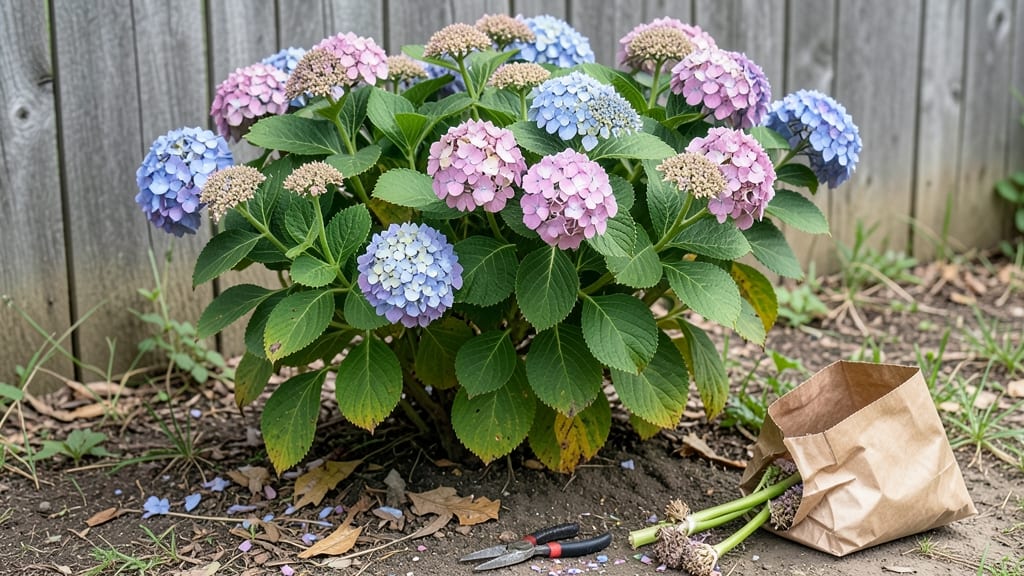
Harvesting hydrangea seeds transforms last year’s faded blooms into next season’s potential showstoppers. 🌿 The key is timing—wait until the seed heads turn brown and papery, usually 6–8 weeks after flowering, when they’re dry but haven’t scattered their seeds.
I’ve saved seeds from my own plants for years, and the process is simpler than it seems once you know the right steps.
You’ll need just three basic tools: clean pruners for cutting stems, a paper bag for collecting seeds, and a dry, shaded spot for storage. Gloves help if your hydrangeas attract aphids, which can hitch a ride on the seed heads.
The goal is to preserve viability while preventing mold—overcrowded seeds or damp conditions are the biggest threats to success.
Once collected, spread the seeds on a tray to dry completely for 2–3 weeks, stirring occasionally. Store them in an envelope or jar in a cool, dark place until spring planting.
Germination rates vary, but with proper care, you’ll see tender seedlings emerge in 2–4 weeks, ready to grow into next year’s blooms.
This method works for all hydrangea types, though some varieties like oakleaf or panicle produce more reliably from seed. Start small—just a few seed heads—and experiment with different drying times to find what works best in your climate. Your patience will pay off in a garden full of homegrown hydrangeas.
📚 In This Guide
- What you need
- Instructions
- Tips and common mistakes
- Wrapping up and next steps
What you need
- ● Mature hydrangea plant: Choose a healthy, Hydrangea macrophylla (bigleaf hydrangea) or Hydrangea paniculata (panicle hydrangea) with seed pods (usually appearing in late summer/fall).
- ● Sharp pruning shears: A pair of clean, bypass pruners (4-6 inch blades) to snip seed pods without damaging the plant.
- ● Paper bags or envelopes: Brown kraft paper bags (8x10 inches) or seed envelopes to store pods while they dry.
- ● Labeling tags or markers: Small plant tags or a permanent marker to label seeds by variety and harvest date.
- ● Drying tray or screen: A flat, breathable surface (like a wire mesh tray or cardboard box with holes) to air-dry seed pods.
- ● Small bowl or container: For collecting seeds once pods are fully dried and split open.
- ○ Fine-mesh sieve (optional but helpful): A ¼-inch sieve to separate seeds from chaff or debris.
- ● Gloves: Lightweight gardening gloves to protect hands from prickly stems or sap.
- ● Desiccant packets: Silica gel packets to speed up drying if humidity is high.
- ● Spray bottle with water: For lightly misting pods if they’re too dry or brittle.
- ● Notebook or app: To track seed varieties, harvest dates, and germination notes.
Step-by-step instructions for harvesting hydrangea seeds
Here's the simple approach I use every fall to collect seeds without stressing your plants.
🌿 Step 1: Identify and Locate Seed Heads
Hydrangea seeds develop in the dried, papery seed heads that form after blooms fade. Look for brown, papery clusters that have turned completely dry and brittle—usually in late fall or early winter after frost. These are your seed sources. I like to harvest from 4-6 mature seed heads per plant to ensure good seed quality.
Gently twist or cut the seed heads from the stems using clean pruners or scissors. Avoid pulling—this can damage the plant. Place the seed heads in a paper bag (not plastic) to allow airflow and prevent moisture buildup, which can cause mold. Store them in a cool, dry place like a garage or shed until you're ready to process them.
🌱 Step 2: Dry and Prepare Seed Heads
Let the seed heads dry for 1-2 weeks in their paper bags. This ensures the seeds are fully mature and ready for extraction. If you're in a humid climate, spread them out on a tray lined with newspaper in a well-ventilated area to speed up drying. You'll know they're ready when the seed heads crumble easily when touched.
Once dry, place a seed head on a clean, flat surface like a cutting board or tray. Hold it firmly with one hand and gently rub or crush it with the other. The seeds will pop out—some may stick to the papery material, so use a fine-tooth comb or your fingers to remove any remaining seeds. Collect all seeds in a small bowl or envelope for storage.
💧 Step 3: Clean and Store Seeds Properly
Remove any debris, chaff, or empty seed pods from your collection. A fine mesh strainer or sieve works well for this. Spread the seeds on a clean cloth or paper towel and let them air-dry for another 24 hours to ensure they’re completely dry. This step is crucial—moisture can lead to mold or rot during storage.
Store the seeds in a paper envelope or airtight container labeled with the hydrangea variety and the date. Keep them in a cool, dark place like a refrigerator or seed storage box. Hydrangea seeds can remain viable for 1-2 years if stored properly, so label everything clearly. I like to write the date directly on the envelope with a marker to avoid confusion.
⏰ Step 4: Plant Seeds for Next Season
Sow hydrangea seeds in early spring, about 4-6 weeks before your last frost date. Scatter them lightly on the surface of moist, well-draining soil in a seed tray or small pots. Press them gently into the soil—do not cover with soil, as they need light to germinate. Mist the soil lightly with water to keep it moist but not soggy.
Place the tray in a warm, bright location with indirect light (like a sunny windowsill) and maintain consistent moisture. Germination can take 2-4 weeks, so be patient. Once seedlings appear, thin them to the strongest 2-3 per pot and provide bright, indirect light until they’re ready to transplant outdoors after the last frost.
Tips & tricks for perfect hydrangea seed harvesting
Real talk: Harvesting hydrangea seeds takes patience, but these tricks make all the difference between viable seeds and wasted effort.
Timing Secret: Harvest seed heads only after a light frost—this signals they're fully mature. I wait until the clusters turn completely brown and papery, usually in late fall. If you pick them too early, the seeds won't be fully developed. Look for seed heads that crumble easily between your fingers—that's your cue they're ready.
Storage Wisdom: That 24-hour extra drying after cleaning is non-negotiable. I've learned this the hard way after seeds turned moldy in storage. Spread them on a clean cloth in a single layer and let them air-dry completely before sealing. If you're in a humid climate, consider using a small fan on low to speed up the process while keeping them in a well-ventilated area.
Seed Extraction Technique: When crushing the seed heads, work over a large tray or sheet of newspaper—seeds scatter easily! I like to use a rolling pin for this step because it gives me better control than just rubbing with my hands. Place a second tray underneath to catch any seeds that might fall through. This method collects nearly every seed without losing them to the floor.
Labeling System: Don't just label your storage containers—write directly on the paper envelope with a permanent marker. Include the hydrangea variety, harvest date, and any special notes like "early bloomer" or "pink flowers." I've had to guess at varieties before, and it's frustrating when you can't remember which seeds came from which plant. Trust me on this: a little extra labeling now saves major confusion later.
Pro Tips for Harvest Hydrangea Seeds
- Real talk: Harvesting hydrangea seeds takes patience, but these tricks make all the difference between viable seeds and wasted effort.
- Timing Secret: Harvest seed heads only after a light frost—this signals they're fully mature.
- Storage Wisdom: That 24-hour extra drying after cleaning is non-negotiable.
Frequently asked questions
Got questions about harvesting hydrangea seeds? You’re not alone! Here are some of the most common concerns—plus straightforward answers to keep your process smooth and successful.
When is the best time to harvest hydrangea seeds?
Harvest seeds in late fall or early winter (November–January) after the seed heads have dried and turned brown. If you wait too long, seeds may scatter or lose viability. For tropical hydrangeas (like Hydrangea macrophylla), aim for winter when seed pods are fully mature and crispy.
How long do hydrangea seeds take to germinate?
Germination can take 4–12 weeks—patience is key! Store seeds in a cool, dry place (like a paper envelope) until spring. For faster results, stratify seeds (mix with moist sand, refrigerate for 2–3 months) to mimic winter conditions. Some varieties may germinate sooner if sown fresh in fall.
Can I harvest seeds from store-bought hydrangeas?
Yes, but with a catch! Many garden-center hydrangeas are hybrids (e.g., Endless Summer series) and may not produce true-to-type seeds. For reliable results, harvest from wild or heirloom varieties. If you’re unsure, ask the nursery—some sell seed-producing cultivars like Hydrangea paniculata or H. arborescens.
What if my seed heads mold or get wet?
Mold or excess moisture can ruin seeds, but don’t panic! Harvest only on dry days and store seeds in a paper bag or envelope (not plastic) to prevent rot. If heads are damp, spread them in a shady, well-ventilated area for 1–2 days to dry before collecting seeds. Avoid harvesting after rain.
Will seeds from my hydrangea grow into the same flowers?
Probably not—unless it’s a non-hybrid variety. Many cultivated hydrangeas (like Bigleaf or Oakleaf types) produce seeds that grow into wild-type plants with smaller flowers or different colors. For guaranteed results, buy seeds from reputable suppliers or propagate via cuttings.
Wrapping up and next steps
Harvesting hydrangea seeds is a rewarding way to grow new plants for free—just follow these simple steps!
With patience and the right timing, you’ll soon have vibrant blooms ready to share or replant. Now that you’re equipped with the know-how, why not try it this season? Start by marking your calendar for late fall or early winter, gather your supplies, and enjoy the process of nurturing future hydrangeas from seed.
Happy gardening! 🌱✨