
How To
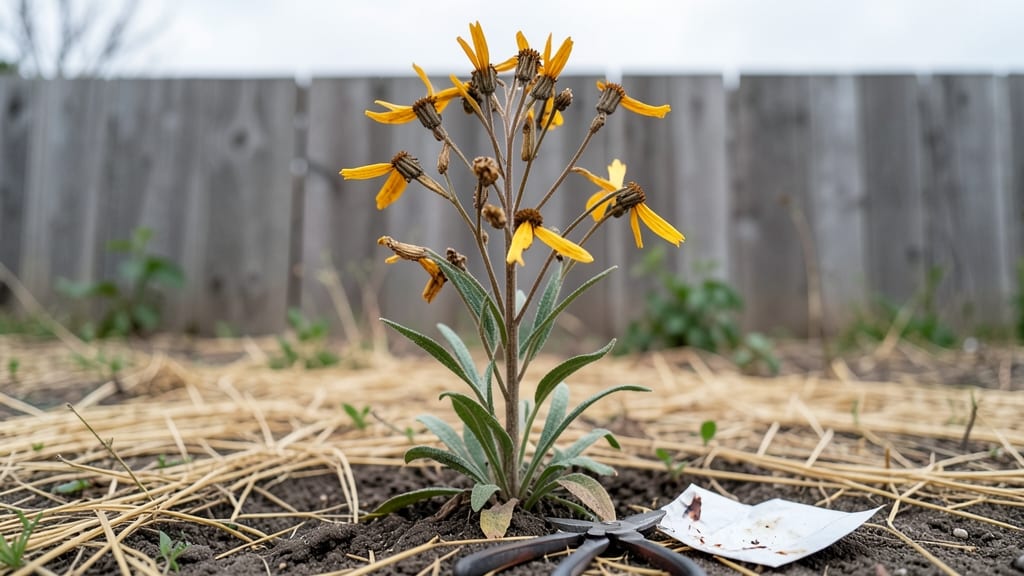
Harvesting strawflower seeds is all about timing—wait until the dry pods pop open naturally, releasing thousands of tiny seeds in a dramatic burst.
Strawflowers aren’t just stunning cut flowers—they’re seed-collection goldmines, with pods that dramatically pop open when dry to release thousands of tiny, fertile seeds. But timing and technique matter: harvest too early, and you’ll waste your effort; too late, and the seeds scatter into the wind.
If you’ve ever missed the perfect moment, you know how frustrating it can be to watch those seeds slip away. The key is knowing when the pods are ready—when they turn brown, crisp up, and rattle with seeds inside.
In this guide, I’ll walk you through the easiest way to collect, dry, and store strawflower seeds so you can grow your own vibrant blooms next spring.

When and how to identify strawflower pods ready for seed harvesting
Strawflower pods transform from vibrant blooms into seed-collection treasures, but spotting the perfect harvest window requires close attention. The pods start as bright, papery flowers but mature into brown, papery seed heads that rattle when shaken.
Miss this stage, and you’ll either waste time on underripe pods or lose seeds to the wind.
Ideal timing depends on your USDA zone—typically late summer to early fall (August–October in most regions). In warmer climates (Zones 8-10), pods may mature earlier, while cooler zones (Zones 3-6) often need to wait until frost threatens.
Watch for environmental triggers like shorter days and cooler nights, which signal maturity.
| Stage | Pod Appearance | Texture | Sound Test | Action |
|---|---|---|---|---|
| Early Bloom | Bright pink/purple | Firm, green | No rattle | Wait 2-3 months |
| Mid-Mature | Fading to tan | Leathery, pliable | Soft rattle | Monitor daily |
| Ready to Harvest | Dry, papery brown | Crisp, brittle | Loud rattle | Harvest immediately |
| Overripe | Gray/brown, splitting | Powdery, crumbling | Seeds escaping | Collect remaining seeds |
The color shift from vibrant hues to uniform brown is your first clue. Look for pods that have lost their papery petal texture and feel lightweight when held—like crisp autumn leaves.
A gentle squeeze should make seeds rattle audibly inside, confirming maturity. If pods still feel plump or greenish, they need more time.
Regional adjustments matter: in humid climates, pods may stay green longer due to moisture retention, while arid zones dry pods faster. If your area experiences high humidity, harvest pods slightly earlier to prevent mold.
Conversely, in dry climates, pods may mature weeks ahead of schedule—check them weekly starting in late August.
Don’t rely solely on visual cues—combine them with the sound test. Shake a pod over a white surface (like paper or fabric) to spot tiny black seeds escaping.
If seeds fly out easily, the pod is overripe. Aim for pods where seeds rattle but don’t scatter—this is your sweet spot for harvest.
Morning is the best time to check pods because dew can mask dryness. Afternoon heat may also cause premature pod opening. If you’re in a windy area, harvest pods as soon as they’re ready to avoid losing seeds to gusts.
Use a breathable paper bag to collect pods and prevent moisture buildup.
Pro tip: Mark mature pods with a soft-tip marker or twist tie to track them daily. This helps you prioritize harvests when multiple pods mature at once. Overripe pods will split open naturally, releasing seeds into the soil—so act fast once you spot the brown, brittle texture.
For large-scale harvesting, focus on the tallest stems first, as they often mature earliest. Cut entire seed heads and hang them upside-down in a dry, shaded spot to finish drying.
This method preserves seed viability while preventing premature loss. If you’re short on time, harvest only the crispest pods and leave others to mature.
Remember: patience pays off. Rushing harvests risks low germination rates, while waiting too long means lost seeds. With practice, you’ll spot the perfect moment when strawflower pods are ready to become next year’s garden stars.
🌼Step-by-step method for collecting strawflower seeds without losing them
Once your strawflower pods turn a crisp brown color and feel dry to the touch, they’re ready for seed collection. The challenge? These pods explode when touched, sending seeds flying.
With the right approach, you can harvest thousands of seeds without losing a single one to the wind. Start by working on a calm, dry day to minimize seed loss during collection.
I’ve found that early morning is ideal—dew hasn’t formed yet, and the pods are stiff from overnight dryness. Use pruning shears to cut entire seed heads from the stem, leaving a 1-inch stem attached.
This makes handling easier and reduces breakage. Avoid pulling pods directly from the plant, as this can damage the delicate seed clusters inside.
How to Harvest Strawflower Seeds
-
Step 1: Harvest Pods at Peak Dryness
Cut fully brown pods when they rattle loudly when shaken. Use clean shears to avoid contamination. -
Step 2: Choose Drying Method
Hanging: Tie pods by stems to a dry, dark string in a well-ventilated area. Flat surface: Lay pods on paper towels in a single layer to dry. -
Step 3: Dry for 2-3 Weeks
Ensure pods are in a 50-70°F space with low humidity. Stir or flip pods every 3-4 days for even drying. -
Step 4: Extract Seeds Gently
Place dried pods in a paper bag and crush lightly to release seeds. Sift through a fine mesh sieve to separate seeds from chaff. -
Step 5: Store Seeds Properly
Keep seeds in a cool, dry container (like an envelope or jar) labeled with the harvest year and variety name.
If you’re dealing with windy conditions, work indoors or under a large umbrella to contain stray seeds. I once lost half my harvest to a sudden breeze—now I always secure a lightweight mesh bag over the work area.
For stubborn pods that won’t open naturally, place them in a brown paper bag and gently crush them with a rolling pin to release seeds without damaging them.
Pro tip: Test a few pods first to ensure they’re fully dry before processing the entire batch. Overly moist pods will mold quickly and ruin your seeds. Once seeds are extracted, store them in a sealed container with a silica gel packet to absorb any remaining moisture.
This keeps them viable for up to 3 years.
With these steps, you’ll maximize your seed yield while avoiding the frustration of lost seeds. Next time you’re harvesting, try the hanging method—it’s my favorite for keeping seeds contained and organized. Happy harvesting! 🌼