
Aphids
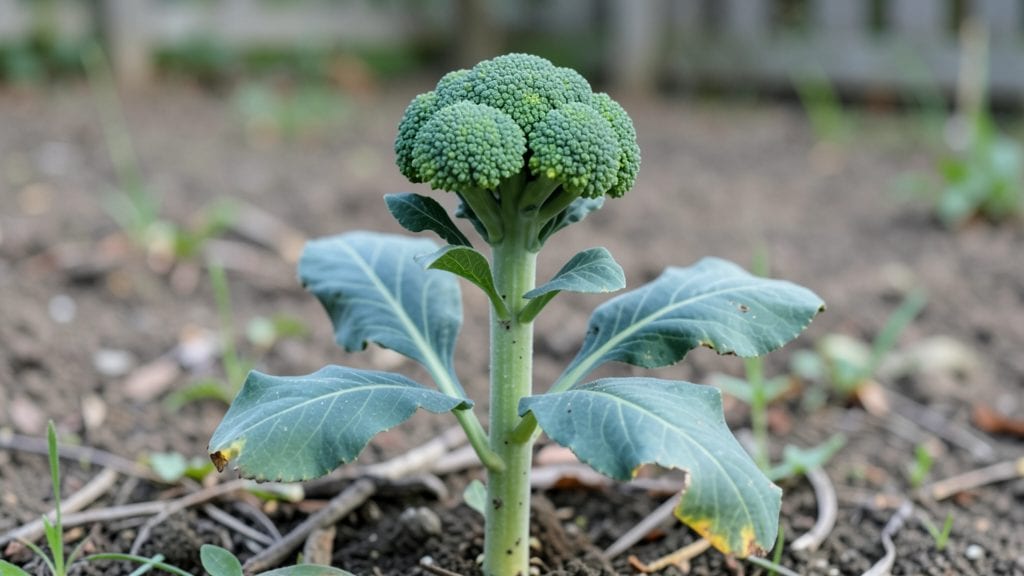
The identification of a broccoli seedling in its first weeks saves you from aphid infestations and wasted effort—look for those bright green, slightly puckered leaves, compact and sturdy, not sprawling. ✨ when you gently tug.
Weeds and bolted seedlings will look leggy or yellowish, while aphids hide on the undersides of leaves like tiny white cotton balls.
Most gardeners confuse broccoli seedlings with mustard greens or kale—both have similar leaf shapes but lack broccoli’s distinct blue-green hue and tight rosette. Check the stem too: healthy broccoli stems are firm and pale green, never hollow or mushy (that’s a sign of rot).
If your seedlings look stretched or flowery, they’ve bolted—too late to save, but you can replant for a fall harvest.
Once you spot the right traits, you’ll know exactly where to focus your aphid defense. A quick spray of soapy water or neem oil on the undersides of leaves prevents those pests from taking hold.
Confused? Snap a photo and compare it to a trusted plant database—most apps like PlantNet or your local extension office can confirm in seconds.
This method works for spring and fall plantings, and the same rules apply to cabbage and kale seedlings too. Master these three checks, and you’ll spot healthy broccoli every time—no guesswork, no aphid surprises.
Root Causes Of Seedling Struggles
Understanding why broccoli seedlings get misidentified—or worse, fail to thrive—starts with recognizing the environmental and biological triggers that confuse or stress them. Aphids, poor growing conditions, and even human error can derail your garden before it begins.
Let’s break down the science behind these challenges so you can address them head-on.
Aphids are the #1 culprit behind false identification of broccoli seedlings.
These tiny sap-sucking insects cluster on tender new growth, causing: - Stunted, curled leaves (mistaken for nutrient deficiency or disease) - Sticky residue (honeydew) that attracts mold, further distorting seedling appearance - Yellowing or blackened foliage due to secondary fungal infections
Why it happens: Aphids thrive in warm, humid conditions (60–80°F) and are drawn to young, soft plant tissues—perfect for seedlings. Their rapid reproduction (females can produce 50+ offspring without mating) means an infestation can explode in days. If you’re growing broccoli in greenhouse settings or shaded areas, aphids have even more protection from predators like ladybugs or lacewings.
Actionable insight: 🔍 Check undersides of leaves (aphids hide there) and isolate affected seedlings immediately. Neem oil or insecticidal soap disrupts their waxy coating, but repeat treatments are key—aphids develop resistance quickly.
Seedlings packed too closely compete for sunlight, water, and nutrients, leading to:
- Leggy, weak stems (misidentified as "normal stretching" for light)
- Pale, yellowing leaves (confused with nitrogen deficiency)
- Delayed bolting (broccoli’s flowering stage), making plants look "stunted" instead of healthy
Why it happens: Broccoli seedlings need at least 12–18 inches of spacing to develop properly. When crowded:
- Shade-loving weeds (like chickweed) outcompete them for moisture.
- Root systems tangle, restricting water uptake and increasing disease risk (e.g., Fusarium wilt).
- Stress hormones (like ethylene) trigger premature flowering or leaf drop.
Actionable insight: 📏 Thin seedlings to 12–18 inches apart once they’re 2–3 inches tall. Use mulch (straw or grass clippings) to suppress weeds and retain moisture—this reduces stress and improves identification accuracy.
Broccoli seedlings crave specific nutrients, and imbalances can mimic pests or diseases:
- Purple stems/leaves? → Phosphorus deficiency (roots struggle to absorb water).
- Yellow lower leaves? → Nitrogen deficiency (common in sandy soils).
- Brown, crispy edges? → Calcium or boron deficiency (often from overwatering or compacted soil).
Why it happens:
- Fresh manure or synthetic fertilizers applied too early can burn roots, stunting growth.
- pH imbalances (broccoli prefers 6.0–7.0) lock out nutrients like iron or zinc.
- Overwatering leaches nutrients, while underwatering stresses roots, making seedlings vulnerable to misdiagnosis.
Actionable insight: 🧪 Test soil pH before planting (kits cost ~$10). Amend with lime (to raise pH) or sulfur (to lower it) as needed. Use a balanced fertilizer (10-10-10) at planting, then switch to low-nitrogen (5-10-10) once seedlings are established to encourage strong stems.
Broccoli seedlings bolt (flower prematurely) or stretch unnaturally when exposed to:
- Too much heat (>85°F) → bitter, woody stems (misidentified as "overripe").
- Inconsistent light (e.g., indoor grow lights too far) → leggy, weak seedlings ("etiolation").
- Cold snaps (<50°F) → slow growth or blackened leaves (confused with frost damage).
Why it happens: Broccoli is a cool-season crop (ideal temps: 55–75°F). Heat stress triggers ethylene production, a plant hormone that accelerates aging. Meanwhile, low light causes seedlings to elongate rapidly in search of sunlight, weakening their structure.
Actionable insight: 🌿 Use shade cloth (30–50%) in hot climates to keep temps below 80°F. For indoor seedlings, place lights 2–4 inches above plants and use full-spectrum bulbs (14–16 hours of light/day). Hardening off (acclimating seedlings to outdoor temps) for 7–10 days before transplanting prevents shock.
Even the best gardeners make mistakes that lead to misidentified seedlings, such as:
- Planting too deep → Stems rot (looks like fungal disease).
- Using contaminated soil or tools → Damping-off (blackened stems at soil level).
- Ignoring transplant shock → Wilting or yellowing (mistaken for aphids).
Why it happens: Broccoli seeds are tiny and delicate—overhandling or improper depth (seeds should be ¼ inch deep) can smother them. Additionally, reusing pots or soil without sterilization introduces pathogens like Pythium, which cause seedlings to collapse overnight.
Actionable insight: 🛡️ Sterilize tools and containers with a 10% bleach solution (1 part bleach to 9 parts water). Plant seeds in well-draining soil (mix compost with perlite) and water gently from below to avoid disturbing seedlings. If transplanting, water deeply 1–2 days before to reduce shock.
Fixing Aphid Damage Fast
Aphids may seem like tiny troublemakers, but with the right approach, you can save your broccoli seedlings and keep them thriving. Below, we’ve mapped out practical fixes for each common cause of aphid infestation, along with prevention tips to stop future attacks.
Problem: Dense seedlings attract aphids by creating a cozy, shaded environment where pests thrive.
How to Fix It: 🔥 Step 1: Space Them Properly
- Gently pull out weaker seedlings, leaving 6–12 inches between each plant.
- Use a small trowel to avoid disturbing roots.
👨🍳 Step 2: Improve Airflow
- Thin rows to reduce humidity—aphids love damp, crowded spaces.
- Water at the base (not overhead) to keep leaves dry.
🌱 Prevention Tip:
- Start with larger seedling spacing (2–3 inches apart) to discourage pests early.
Problem: Underwatered, overwatered, or nutrient-deficient seedlings are aphid magnets.
How to Fix It: 💧 Step 1: Check Moisture Levels
- Stick your finger 1 inch into the soil—if dry, water deeply.
- If soggy, let it dry out before watering again.
📊 Step 2: Feed Them Right
- Use a balanced fertilizer (10-10-10) or compost tea to strengthen seedlings.
- Avoid nitrogen-heavy fertilizers—aphids love soft, tender growth.
🌡️ Prevention Tip:
- Mulch around seedlings to retain moisture and regulate soil temperature.
Problem: If aphids are already feasting, you’ll need fast action to protect your seedlings.
How to Fix It: 🔪 Step 1: Blast Them Off (Non-Toxic)
- Spray seedlings with water (aphids hate this!).
- Use a soapy water spray (1 tsp mild dish soap + 1 quart water) to suffocate them.
💡 Step 2: Introduce Predators
- Ladybugs, lacewings, or parasitic wasps eat aphids naturally.
- Buy them online or attract them with dill or fennel plants.
✨ Step 3: Use Neem Oil (For Stubborn Cases)
- Mix 1 tsp neem oil + 1 tsp mild soap + 1 quart water.
- Spray early in the morning (avoid bees!).
🎯 Prevention Tip:
- Inspect new plants before bringing them home—quarantine them for 24 hours.
Problem: Contaminated soil or past aphid buildup can reinfect seedlings.
How to Fix It: 🌱 Step 1: Sterilize Soil (If Needed)
- Solarize soil by covering it with clear plastic for 4–6 weeks in hot sun.
- Or mix in compost or coconut coir to improve drainage.
🔄 Step 2: Rotate Plant Families
- Avoid growing brassicas (broccoli, cabbage, kale) in the same spot for 3+ years.
💡 Prevention Tip:
- Plant trap crops like nasturtiums near broccoli to lure aphids away.
🔍 Monitor Daily! Check seedlings every 2–3 days—early detection means easier fixes.
By following these steps, your broccoli seedlings will stay aphid-free and grow strong! 🚀🌱
Frequently asked questions
What are the key features to look for when identifying a healthy broccoli seedling?
Check for bright blue-green leaves with a slightly puckered texture and a compact rosette shape. The stem should be firm and pale green, not hollow or mushy. Healthy seedlings also have short, sturdy stems (not leggy) and no yellowing or curling—signs of stress or pests.
How can I tell if my seedling is broccoli and not kale or cabbage?
Broccoli seedlings have smaller, rounder leaves compared to kale’s wavy edges or cabbage’s broader shape. The leaf color is distinctively blue-green (not deep green like kale) and the growth habit is tighter. Look for the absence of flower buds—if you see yellow blooms, it’s already bolting.
What should I do if my broccoli seedlings look leggy or stretched?
Leggy seedlings mean they’re reaching for light. Move them to a sunny spot with 6+ hours of direct light daily or use a grow light 2–4 inches above for 14–16 hours. If already planted, thin them to 12–18 inches apart to improve airflow and reduce stress.
Can I still save a seedling that’s already bolting (flowering early)?
Unfortunately, once broccoli bolts, it’s too late to save for heads, but you can harvest the small flowers and side shoots as microgreens or use the leaves like greens. For future plantings, avoid heat stress (>85°F) and use shade cloth (30–50%) in hot climates.
How do I confirm if my seedling has aphids or just nutrient deficiency?
Aphids leave sticky honeydew residue and tiny white/green bugs on leaf undersides, while nutrient issues cause uniform yellowing (lower leaves first) or purple stems. Check for curls or black sooty mold (aphid droppings) to confirm pests. Treat aphids with soapy water or neem oil; deficiencies need fertilizer adjustments.