
Flowers
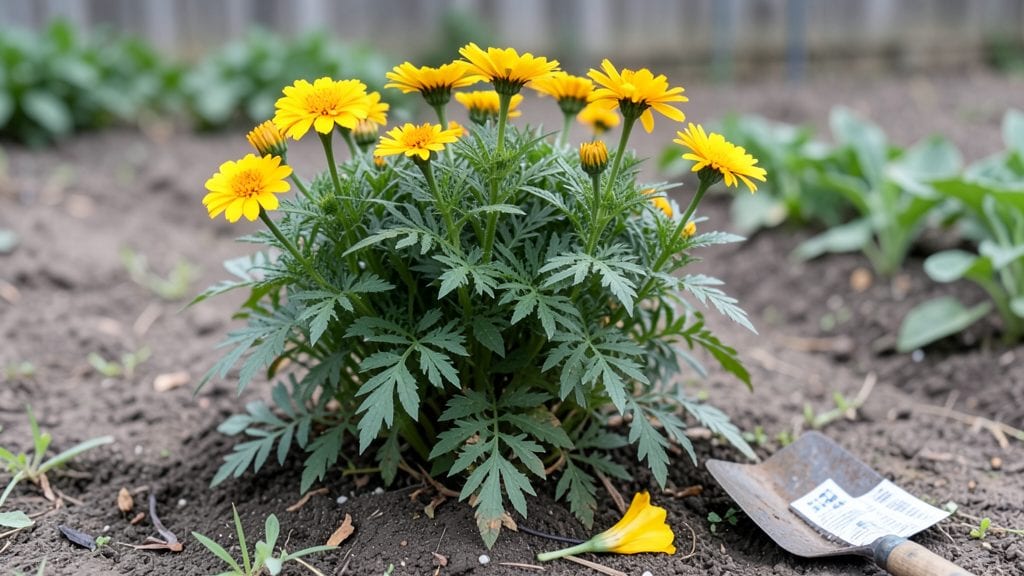
Finding inexpensive flower seeds that still deliver jaw-dropping blooms feels like uncovering a gardening secret—because it is. I’ve filled my entire front yard with vibrant annuals and perennials by sourcing seeds for less than $1 per packet, and the results?
More color than a nursery could ever sell in bags. The trick isn’t sacrificing beauty for savings; it’s knowing where to look and which varieties pack the biggest punch for pennies.
Start with seed swaps at local gardening clubs or online forums where experienced growers share extras. A single packet of cosmos or zinnias can produce hundreds of stems, while heirloom marigolds self-seed like crazy.
Even dollar-store seed mixes often contain hidden gems—just check the packet for sun exposure and soil needs before buying. My go-to budget bloomers? Sweet alyssum ($0.50/packet) and black-eyed Susans ($1.25), which thrive in poor soil and spread effortlessly.
Planting these seeds is simpler than you’d think—most need just sunlight, loose soil, and occasional water. Scatter them directly where they’ll bloom (no need for expensive starter pots), and within weeks, you’ll have lush, fragrant displays that outshine store-bought flowers.
The best part? Saved seeds from your own plants mean free blooms next year. No green thumb required—just patience and a little dirt.
For long-term savings, store seeds in airtight containers with silica gel packets (or even a dry coffee can). Label everything with the variety and year, and you’ll never pay retail prices again.
This isn’t just gardening; it’s turning empty spaces into year-round color for less than a latte costs. Ready to grow for free?
📚 In This Guide
- What you need
- Instructions
- Tips and common mistakes
- Wrapping up and next steps
What you need
- ● Inexpensive flower seeds: Choose 1-2 packets (or more, depending on your garden size). Opt for heirloom, open-pollinated, or non-hybrid varieties for affordability and future seed-saving!
- ● Growing containers or garden bed: For pots: 4-6" diameter containers (1 per plant) or larger trays (for seedlings). Use at least 3-4 containers if planting multiple seeds.
- ● For in-ground planting: A small plot (2’x2’ for 4-6 plants) or raised bed (minimum 6" depth).
- ● Potting soil or garden soil: 1-2 bags (1-2 cubic feet per bag). Mix with compost for nutrient-rich soil!
- ● Watering can or hose with a gentle spray nozzle: Essential for consistent moisture without overwatering.
- ○ Plant labels (optional but helpful): Popsicle sticks or markers to track seed varieties.
- ● Trowel or small shovel: For digging holes or transplanting seedlings.
- ○ Gloves (optional): Protects hands from soil and prickly plants like thistles.
- ○ Pruners (optional): For trimming dead blooms or overgrown stems.
- ● Sunlight access: Confirm your planting spot gets at least 4-6 hours of sunlight daily (check seed packet for specific needs).
- ● Water source nearby: Ensure easy access to water for consistent care.
- ● Patience: Most flowers take 4-12 weeks to bloom—keep an eye on your seeds!
Step-by-step instructions for growing inexpensive flower seeds
Here’s how to turn a small investment into a vibrant garden full of blooms—no fancy tools required.
Choose the Right Seeds and Containers
Start with seeds from reputable discount retailers or seed swaps—look for varieties like marigolds, zinnias, or cosmos, which thrive in most climates and bloom quickly. These seeds are often sold in bulk for just a few dollars per packet, making them perfect for budget gardens. Use small containers like egg cartons, plastic cups, or even repurposed takeout trays to save money on pots.
Fill your containers with sterile seed-starting mix (never garden soil—it’s too dense and can harbor diseases). Moisten the mix lightly until it feels like a damp sponge, but not soggy. Press it down gently so the surface is firm enough to hold seeds in place without sinking too deep. This ensures even moisture and prevents seeds from washing away when you water.
Plant Seeds at the Correct Depth
Read the seed packet for specific instructions, but a general rule is to plant seeds at a depth twice their diameter. For tiny seeds like zinnias, this might mean pressing them lightly into the soil with your finger. For larger seeds like marigolds, a ¼-inch depth works well. Use a toothpick or pencil to create small holes if needed—it’s an easy way to avoid disturbing the soil too much.
Cover the seeds lightly with more seed-starting mix, then mist the surface with water until it’s evenly damp. Avoid overwatering; you want the soil to stay moist but not waterlogged. Place the containers in a warm, bright spot—like a sunny windowsill or under a grow light—where temperatures stay between 65-75°F. This warmth helps seeds germinate faster and more uniformly.
Provide Consistent Moisture and Light
Once seeds are planted, keep the soil consistently moist by watering gently from the bottom if possible. Bottom-watering (placing the container in a shallow tray of water for a few minutes) prevents disturbing the seeds and ensures even moisture without creating muddy conditions. You’ll know the soil is ready for more water when the top ½ inch feels dry to the touch.
After germination—usually within 5-14 days, depending on the flower type—move the seedlings to a location with at least 6 hours of sunlight daily. If you’re growing indoors, supplement with a grow light kept 2-3 inches above the plants. Watch for leggy growth (long, thin stems with small leaves), which means the seedlings need more light. Adjust the light source or rotate the containers daily to encourage even growth.
Thin Seedlings and Harden Off Before Transplanting
When seedlings develop their first true leaves (the second set after the initial cotyledons), thin them to the strongest one per container. Use scissors to snip weaker seedlings at the base to avoid disturbing the roots of the ones you’re keeping. This step might seem harsh, but it prevents overcrowding and gives your remaining plants room to grow.
About 2 weeks before your last frost date, start hardening off your seedlings by placing them outside in a sheltered spot for 1-2 hours the first day. Gradually increase their outdoor time over 7-10 days, eventually leaving them out all day. This process helps them adjust to wind, sun, and temperature fluctuations. Once hardened off, transplant your seedlings into the garden or larger containers, spacing them according to the seed packet’s recommendations.
Maintain and Enjoy Your Blooms
After transplanting, water deeply once a week, allowing the soil to dry out slightly between waterings. Most inexpensive flower seeds thrive in well-draining soil and full sun, so choose a spot that gets at least 6 hours of sunlight daily. Deadhead spent blooms regularly to encourage more flowers and prevent the plants from putting energy into seed production.
With minimal effort, your budget-friendly seeds will reward you with vibrant blooms all season. Watch for pests like aphids or spider mites—if you spot them, spray the plants with a soapy water solution (1 tablespoon mild dish soap per gallon of water) to keep them in check. Soon, you’ll have a stunning garden that proves beautiful flowers don’t have to break the bank.
Tips & tricks for growing inexpensive flower seeds
Here's what I've learned from growing budget-friendly blooms that'll help you avoid common pitfalls and maximize your garden's potential.
Seed Selection Wisdom: When choosing seeds from discount retailers, always check the packet for the term "open-pollinated" or "heirloom." These varieties will produce seeds you can save for next year, saving you even more money. I've found that marigolds and zinnias are particularly reliable for beginners—they germinate quickly and bloom prolifically, even in less-than-ideal conditions.
Container Creativity: Don't limit yourself to traditional pots! Old plastic containers, yogurt cups, or even toilet paper rolls can work beautifully as long as they have drainage. Poke small holes in the bottom with a nail or screwdriver to prevent waterlogging. I've successfully grown cosmos from toilet paper roll planters—just be sure to keep them moist during the germination phase.
Germination Environment: The 65-75°F temperature range mentioned in Step 2 is crucial, but don't worry if your home doesn't naturally stay that warm. Place containers on top of your refrigerator or near a sunny window with a heat mat underneath. I've seen germination rates double when using this simple heat source—seeds sprout faster and more uniformly.
Lighting Solutions: If you're growing indoors without natural sunlight, don't overlook simple alternatives like LED shop lights or even a well-placed desk lamp. Position lights 2-3 inches above seedlings and keep them on for 12-14 hours daily. I've had great success using energy-efficient LED grow bulbs that cost less than $20—just rotate containers daily to prevent leggy growth.
Pro Tips for Inexpensive Flower Seeds
- Here's what I've learned from growing budget-friendly blooms that'll help you avoid common pitfalls and maximize your garden's potential.
- Seed Selection Wisdom: When choosing seeds from discount retailers, always check the packet for the term "open-pollinated" or "heirloom."
- Container Creativity: Don't limit yourself to traditional pots!
Frequently asked questions
Got questions about growing beautiful blooms without breaking the bank? Here are some of the most common queries about inexpensive flower seeds—plus quick answers to get you blooming like a pro!
What are the best cheap flower seeds for beginners?
Start with easy-to-grow, budget-friendly seeds like marigolds, sunflowers, or zinnia. These thrive in most climates, resist pests, and often come in bulk packs for under $2. Cosmos and nasturtiums are also great for self-seeding and edible blooms!
How long does it take for inexpensive flower seeds to sprout?
Germination time varies! Fast growers like marigolds sprout in 5–10 days, while sunflowers or delphiniums may take 14–21 days. Check the seed packet for specifics—most budget seeds include this info. Pro tip: Keep soil moist (not soggy) and warm (70–80°F) to speed things up!
Where can I find the cheapest flower seeds without sacrificing quality?
Skip big-box stores—opt for online bulk seed sellers (like Baker Creek or Burpee), local seed swaps, or even Facebook Marketplace. Thrift stores sometimes carry seed catalogs with leftover packets too! Always check reviews for germination rates.
Can I grow flowers from seeds in small spaces like balconies or containers?
Compact varieties like pansies, petunias, or dwarf sunflowers thrive in pots. Use lightweight potting mix with good drainage, and choose containers at least 6–12 inches deep. Herbs like borage also double as edible flowers—perfect for tiny gardens!
Why aren’t my inexpensive flower seeds germinating?
Most issues stem from moisture, temperature, or depth. Double-check:
- Water: Keep soil damp (not drenched) until sprouts appear.
- Heat: Use a seedling heat mat if your space is chilly.
- Depth: Tiny seeds (like cosmos) need light—just press them into soil!
If seeds are old (1+ years), try stratifying (chilling) or soaking them first.
Are there any flowers I can save seeds from year to year?
Yes! Self-seeding annuals like cosmos, marigolds, and nasturtiums drop seeds easily. Let a few flowers fade naturally, then collect seeds when pods dry and split open. Store them in a cool, dry place for next year’s garden—free blooms!
Wrapping up and next steps
Growing beautiful blooms on a budget is easier than you think! With inexpensive flower seeds, you can transform any space—from tiny balconies to sprawling yards—into a vibrant garden without breaking the bank.
Whether you're a beginner or a seasoned gardener, these affordable seeds make it simple to bring color, life, and joy to your surroundings.
Ready to get started? Pick your favorite seeds, grab your tools, and plant with confidence! 🌱💐 Your garden’s next masterpiece could be just a seed away.